


During the initial stages, COVID’s symptoms were generally defined as those that affected the patient’s respiratory system — cough, fever, tiredness, and shortness of breath. Nevertheless, as the doctors started to examine the long-lasting consequences of the virus, new symptoms appeared unexpectedly. Moreover, among the strange ones, the astonishment of the patients as well as dentists was that tooth pain was included.
Regardless of location, people who used to get COVID and recovered have lately expressed that they have experienced mild toothache, teeth and gum sensitivity, or even very strong pain in teeth that were healthy and intact. Some infected with the virus stated that they had tooth discomfort only during the infection period, while there were also some who felt symptoms after recovery. Such incidents prompted a necessary question — Can a respiratory virus be the cause of dental problems?
Indirectly, yes. Hence, the virus that causes COVID-19, SARS-CoV-2, is a virus that merges with blood vessels, salivary glands, and nerves all around the body — even in the mouth. Patients’ familiarity with the process and instruments of how this disease spreads through the body enables them to take precautions for their dental health and at the same time become aware of minor signs of diseases.
What Does Research Show About COVID and Toothaches?
Several works of research have proven that the oral symptoms of COVID-19 are more than what the initial reports stated. To be specific, though the science of toothache is not one of the main clinical features of the infection, the frequency of its occurrences has led to the consideration of dental researchers as an instance.
One cross-sectional study in Wuhan, China, had the result that ten to fifteen percent of COVID-19 patients were those who had reported oral discomfort with manifestations that included gum tenderness and toothache. Some of the current publications, Nature Scientific Reports and the British Dental Journal, reporting the same experiences among patients with healthy teeth, have also included such findings in their articles.
Doctors from Italy and Brazil revealed that, among other symptoms, jaw pain and tooth sensitivity were common in COVID patients despite these people having no cavities or gum disease. In the meantime, research published in Lebanon proves that the toothache of a patient began at the time of infection and lasted for several weeks after that. In all these cases, the clinical examination showed no dental decay – which led to the assumption that the inflammation or nerve involvement caused by the virus might be the trigger of those symptoms.
In long-COVID registries, oral and facial pain are always acknowledged as one of the less common but still significant symptoms that continue for a long time. Some people even months after recovery say that they have persistent sensitivity or that there is pressure in the teeth, gums, or jaw joints. The fact that such symptoms are found in different populations is an argument in favor of the idea that SARS-CoV-2 may also affect oral and dental tissues.
How Can COVID Cause Toothaches?

Researchers explained that the occurrence of tooth pain is one of the many biological symptoms that can accompany a SARS-CoV-2 infection. The virus can not only directly damage the dental tissues but can also do so through the immune system, blood vessels, and nerve pathways.
- Direct Viral Neuroinvasion: The SARS-CoV-2 virus is on the hunt for the ACE2 receptors with which it can make a connection. These receptors are usually in the lungs but also in the mouth. The virus can be found both in and on the gums, salivary glands, and dental pulp. Once it has entered these cells, it can lead the trigeminal nerve, which is the main sensory nerve of the face, to be irritated and this irritation can make the pain sharp, radiating, or pulsating even if the tooth is completely healthy.
- Cytokine-Induced Inflammation: COVID-19 creates a strong enough immune reaction to be referred to as a cytokine storm. Interleukin-6 and tumor necrosis factor alpha are among the inflammatory molecules. These molecules use several waves of pain stimuli to activate dental nerves. And now it is quite clear why at the time of illness or post-infection phase, minimal heat or pressure application becomes unbearable.
- Vascular Damage: The virus changes the endothelium, which is the inner layer of blood vessels. If the blood that nourishes the dental pulp is blocked, the oxygen concentration decreases and the nerves become very sensitive. This deep, throbbing pain that is similar to pulpitis is thus, easy to recognize.
- Stress and Bruxism: The disease stress, quarantine, and fatigue may cause one to clench or grind their teeth without realizing it. Bruxism is the term that refers to the situation where the jaw muscles and ligaments around teeth become irritated due to the condition and the produced pain is very similar to that of a dental infection.
- Sinus Pressure: The upper respiratory tract is frequently affected in COVID-19, which leads to sinus congestion. The roots of the upper molars are very close to the maxillary sinuses, and when the sinuses are inflamed or congested with fluid, the pressure may be so that it extend down and you feel as if the tooth is aching.
- Secondary Infections: In the situation of an infection or during recovery, the immunity may be so weak that bacteria or fungi can grow in the mouth. Consequently, gum infections, oral thrush, or dental abscesses may become easier to appear, and these infections may also intensify the dental pain and the sensitivity of the teeth.
These processes are frequently overlapping. A single patient may be affected by several of them at the same time – for example, nerve inflammation along with dehydration and stress-induced grinding. Such a combination is the reason that tooth pain during COVID-19 is so different from person to person.
Symptoms of COVID Related Toothache
The symptom picture of COVID-related tooth pain may vary from a normal cavity or gum infection. The patients usually point to the feeling as moving between the teeth or spreading the jaw. The pain can be the sharp one in the morning and the dull one in the afternoon, or it may intensify at night.
There are some cases where the individuals feel that the pain gets stronger when they lie down or bend forward, which thus implies sinus involvement. Some other people mention that they feel their teeth are very sensitive to hot or cold foods when there is no visible damage to the teeth. At times, the pain happens both in the upper and lower jaws, and it can be with fatigue, headache, or body aches – the symptoms of COVID-19, which are typical.
Most of the time, the gums look healthy, and dental X-rays reveal no caries or abscesses. Such a manifestation is the closest to the one that indicates that inflammation affects the nerves or blood vessels, but there is no direct infection of the tooth structure. At the same time, the case of swelling, fever, or pus is probably a bacterial infection and prompt dental care is necessary.
Why Does COVID Cause Toothaches in Some People?
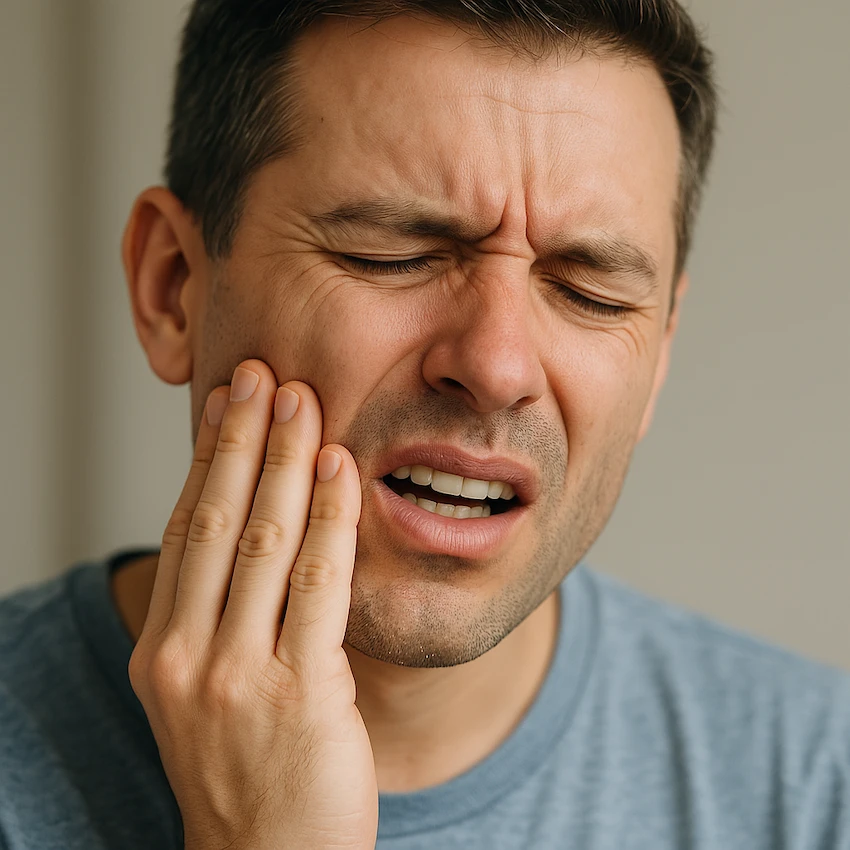
The things that influence the state of a person’s health are a mystery to doctors. Only some people infected with COVID-19 get tooth pain, which means that the condition depends on various human factors. People who already have dental problems – for instance, with the mouth, untreated cavities, cracked fillings, or gum disease – are the most likely to have tooth pain. Inflammation caused by COVID in those individuals becomes the one that is going to turn a small discomfort into something that a person will feel as pain.
Besides, Patients with underlying health conditions such as hypertension, diabetes, or cardiovascular disease are at that, vascular problems, so they are the ones who might suffer most. In this case, the flow of blood in the gums and pulp is reduced, which makes the teeth sensitive to different stimulations and thus healing is slower. Furthermore, it should be noted that dehydration resulting from a fever or medicine can lower the rate at which saliva is secreted. If there is not enough saliva in the mouth, as bacteria multiply much faster, they cause irritation and decay of the teeth (if any).
Stress related to psychological well-being is also among the causes. The uncertainty and weariness connected with COVID-19 can lead to the person clenching his teeth during the night without being aware of it. After some time, this mechanical stress will also bother the jaw muscles and the periodontal tissues and, consequently, the discomfort will become stronger.
To conclude, COVID-19 doesn’t affect the same way for every person because it is the one that spotlights the frailties that are already present in the mouth, blood vessels, or nervous system. In the case where a person keeps good oral hygiene and is well hydrated, the risk of getting tooth pain is quite minimal.
Can the COVID Vaccine Affect Teeth?
Studies from all over the world extensively prove that the vaccines against COVID-19 have no harm to oral and dental health. There is no indication of the vaccine causing tooth decay, gum infection, or lost teeth. The outcomes of the clinical trials, as well as the observations of the real world, data from millions of vaccinated individuals, have not shown any increase in the occurrence of dental complications in comparison to those who have not been vaccinated.
After getting the vaccine, some people might have a very tender jaw or feel pressure on their face, especially near the place where the injection was given. This feeling is generally caused by the activation of lymph nodes – a normal immune reaction. It gets lost in one to three days and does not affect the teeth or the gums.
If tooth pain is a result of the vaccination, it is still probably a coincidence or the result of tension, lack of water, or dental problems that have not been detected yet. The dentists advise the evaluation that is done regularly to exclude other possible causes, but the vaccination itself gives no threat to the dental system. Moreover, by blocking the infection, and inflammation, vaccines are a source of health for your body and your mouth indirectly.
What Other Dental Problems Are Associated with COVID?
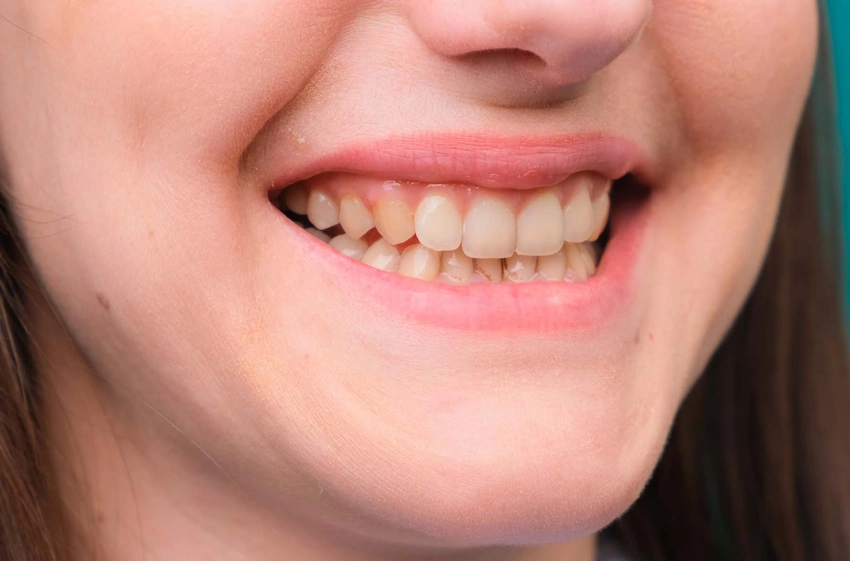
Tooth pain is not the only dental problem that COVID-19 has caused. In addition to tooth pain, some patients also have dry mouth, a change in taste, and ulcers or inflammation of the gums. These symptoms are caused by the virus’s ability to break the salivary glands, the immune system, and the oral microbiome.
Sore mouth, dry mouth, or xerostomia, can be a symptom of the virus infecting the salivary gland or the medicines used during the treatment may also reduce saliva production. Saliva plays an important role in cleaning bacteria and neutralizing acids in the mouth; with the lack of it, the risk of dental caries will rise.
The disorders of taste are one of the symptoms of the disease. Quite a several patients find that they only taste very little or nothing at all (ageusia), and apart from that, they also experience an unpleasant metallic taste in their mouth (dysgeusia). These symptoms are caused by the virus damaging the nerves that provide the brain with taste signals.
Besides COVID-19-related mouth ulcers and mucosal lesions have been reported in both mild and severe cases. In these sores, which are similar to aphthous ulcers, the tongue, lips, and inner cheeks are affected, and they can be caused by immune deregulation or virus-infected epithelial cells.
One of the serious but rare consequences is necrosis of the bone of the lower jaw which is, however, mostly linked to vascular injury, steroid use, or coagulopathy during hospitalization. Although it is an instance of bone metabolism being affected by systemic disease, it is still very rare and thus, extreme caution must be observed.
It is through oral symptoms that researchers gather clues on how the virus spreads in the body and affects different systems like the immune and circulatory systems. The main idea running through the findings is the importance of oral health in the battle against COVID-19 and during convalescence.
What Are the Treatment Options for a COVID Toothache?
Initially, treatment will depend on the causative agent and the degree of the ailment. Usually, cases that are mild by nature and linked to inflammation or nerve sensitivity can get back to normal very fast with home care and professional monitoring.
Practicing good oral hygiene is a necessity even in sick times, writes a dentist in a letter to the patients. Brushing twice a day with a soft toothbrush and fluoride toothpaste is the main means to keep bacteria in check. Hot salty water rinses (half a teaspoon of salt dissolved in a glass of water) work well on the tissues that have been hurt by the infection and reduce their swelling. By drinking water regularly, a person is protected from the occurrence of dryness and thus the natural cleaning action of saliva is supported.
The use of pain relievers that can be bought over the counter like acetaminophen or ibuprofen is an option that should always be under the close watch of a doctor. A cold compress for facial swelling or fifteen minutes of cold application will give relief to the affected area in case of swelling or muscle tension.
A dental examination becomes necessary if the pain continues beyond a few days. The dentist together with X-rays or 3D imaging will check whether there are any hidden cavities, cracked restorations, or gum diseases. In case a painful condition is due to nerve inflammation, the treatment options that may be considered are desensitizing agents, fluoride varnish, and in extreme cases, root canal therapy to reduce internal pressure. At the moment when bacterial infection and abscess formation are confirmed, the use of antibiotics as well as drainage may be part of the treatment plan.
The patients who have been infected with COVID-19 and are on their way to recovery get a lot of advantages from the follow-up visits even when the symptoms have already weakened. Such visits provide the opportunity for timely identification of changes in the gums, dry mouth, or slow healing that might be the result of the medication used. Quick intervention in the process of healing not only aids in recovery but also is a preventative measure against long-lasting side effects.
The Oral Health Effects of Wearing a Surgical Mask
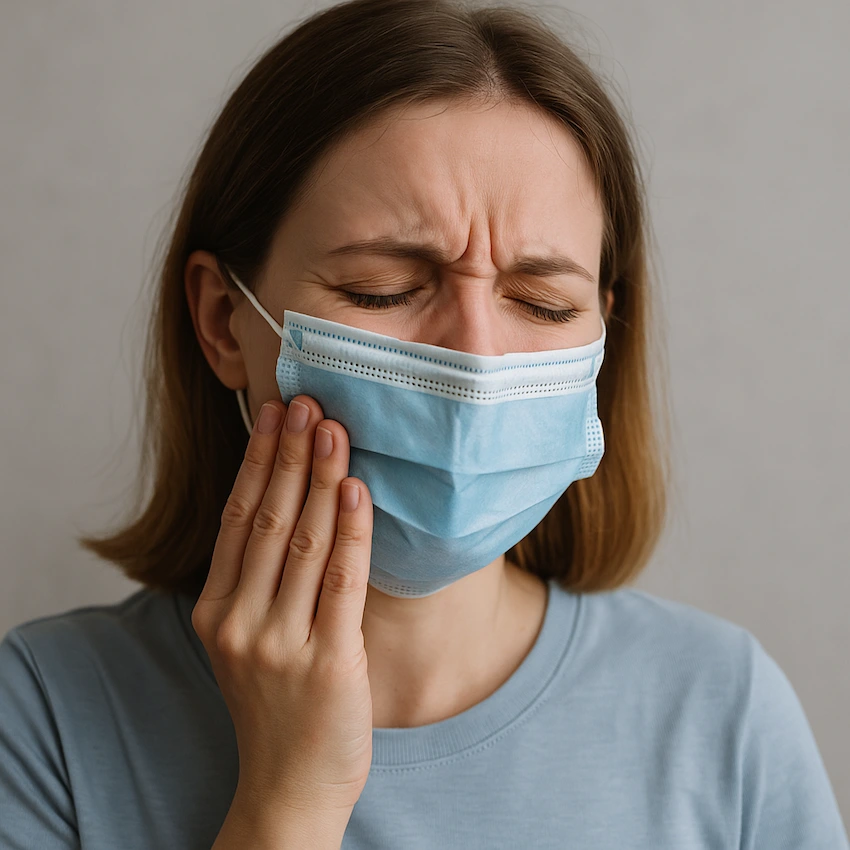
Masks are, in fact, the primary means by which infections can be kept at bay; nevertheless, they may slightly affect oral comfort. The prolonged wearing of masks is quite often associated with symptoms such as dry mouth, foul breath, and slight gum irritation. These symptoms occur due to the breathing changes that masks impose and the different airflow and humidity in the mask.
Saliva flow is reduced and bacteria become more active when someone breathes through the mouth instead of the nose. Over a long period, this can cause a temporary bad breath condition referred to as “mask mouth.” Besides that, some people can have a little irritation in the lip or cheek area as a result of mask friction against the skin.
These effects mentioned above are minor and, in addition, can be very simply avoided by the following measures: drinking enough water, brushing and flossing the teeth regularly, and using an alcohol-free mouthwash for refreshing the mouth. The use of lip balm or a gentle moisturizer can also help you to get rid of friction. In spite of these small discomforts, the mask is still safe and one of the most efficient instruments in the fight against viral transmission.
Prevention and Long-Term Oral Care After COVID-19

The convalescence period after COVID-19 is a great time to re-establish one’s general and oral health. The good dental habits we keep become the main factor for our Strength, immunity, and comfort.
- Arrange for a Dental Examination After Recovery: A dental check-up that includes X-rays if required is a post-recovery visit. If you have experienced any discomfort, bleeding of the gums, or jaw stiffness that might be some of the changes you have undergone as a result of the recovery period, then you have to discuss these symptoms with the doctor. Detection of the problem at the first stage of the virus makes it easier to figure out the changes that are caused by the virus and have not yet developed.
- Keep Working on Hydration and Nutrition: Good hydration is helpful for saliva production, and a diet rich in vitamins C, D, and zinc supports the healing of the gums. Moreover, alcohol, caffeinated drinks, and smoking can be major sources of dehydration so a reduction in their consumption will not only keep you hydrated but will also ensure that your tissues are not irritated.
- Strengthen Daily Oral Hygiene: Fluoride toothpaste is a must, it is recommended to get a new toothbrush after a sickness, and floss every night but be gentle. Mouth rinses without alcohol are also recommended because they do not dry out the tissues while they keep the mouth clean.
- Get rid of Stress and Bruxism: To prevent clenching, practice relaxation such as meditation or stretching exercises for the body. If grinding has not ceased during the night, then a night guard that is custom-made for you can act as a protector of your teeth.
- Rebuild Healthy Oral Flora: Beneficial bacteria in probiotic lozenges or yogurts help the oral cavity to become healthy after an antibiotic treatment or an illness. Do not let the microbes in your mouth get an excessive amount of sugar.
- Responsible for Chronic Symptoms: Some symptoms of Long-COVID such as fatigue and neuropathic pain can last for a long time. In case you are suffering from tooth and gum discomfort for more than a few weeks, seek a dentist and a doctor’s help to eliminate the possibilities of chronic inflammation and vascular issues.
By making these changes part of your everyday routine, you will be able to regenerate the oral cavity that is healthy and keep away from the problems of the future.
Long-Term Oral Care Plan After COVID-19
| Goals | Recommended Actions | Frequency |
| Comprehensive Checkup | Dental exam with imaging to assess recovery | 3–6 months post-infection |
| Saliva Support | Hydration and sugar-free gum | Daily |
| Oral Hygiene | Brushing, flossing, mouthwash | Twice daily |
| Stress Management | Relaxation or night guard | As needed |
| Microbiome Balance | Oral probiotics and a healthy diet | Continuous |
REFERENCES:
- Ciotti, M., Ciccozzi, M., Terrinoni, A., Jiang, W. C., Wang, C. B., & Bernardini, S. (2020). The COVID-19 pandemic. Critical Reviews in Clinical Laboratory Sciences, 57(6), 365–388. https://doi.org/10.1080/10408363.2020.1783198
- Chen, X., Laurent, S., Onur, O. A., Kleineberg, N. N., Fink, G. R., Schweitzer, F., & Warnke, C. (2021). A systematic review of neurological symptoms and complications of COVID-19. Journal of Neurology, 268(2), 392–402. https://doi.org/10.1007/s00415-020-10067-3
- Wang, H. Y., Li, X. L., Yan, Z. R., Sun, X. P., Han, J., & Zhang, B. W. (2020). Potential neurological symptoms of COVID-19. Therapeutic Advances in Neurological Disorders, 13, 1756286420917830.
- International Association for the Study of Pain. (1996). New perspectives on the definition of pain. Pain, 67(1), 3–6. https://doi.org/10.1016/0304-3959(96)03135-1
- Swieboda, P., Filip, R., Prystupa, A., & Drozd, M. (2013). Assessment of pain: Types, mechanisms and treatment. Annals of Agricultural and Environmental Medicine, Special Issue 1, 2–7.
Frequently Asked Questions About COVID and Toothaches
Yes. Viruses may cause inflammation of the nerves and alterations in blood vessels that simulate dental pain. Therefore, they can result from secondary infections in already sensitive areas.
The virus can bring about damage to the salivary glands, change taste, lessen the production of saliva, and cause an inflammatory reaction in the gums as well as in the nerves, thus affecting oral comfort.
Yes. The nerve network is the same that serves both areas, so the inflammation originating from COVID-19 can give the pain that was in the ear to the jaw or vice versa.
Initially, it is very rare for a person to lose a tooth and it is mainly linked with periodontal disease or the development of severe systemic inflammation. Only correct hygiene is the procedure that will prevent these sorts of issues.
Definitely not. The vaccines are not the reason for the dental damage. The soreness or a feeling of tightness in the jaw that some people experience after vaccination is only temporary and cannot be attributed to the teeth.
The virus itself does not stain the teeth, but eating changes, dehydration, and the use of medicine during the disease may be the causes of the teeth discoloration which is temporary.
They are Fatigue, Shortness of breath, Mental fog, Chest pain, Heart palpitations, Muscle pain, Insomnia, Anxiety, Changed taste or smell, Headaches, Uncomfortable stomach and a cough that continues.

