


Dental Caries, when neglected, can lead to the destruction of a tooth and, accordingly, there will be a problem in chewing or speaking. That is why dental care that involves brushing, flossing, and professional dental cleanings, teeth whitening, has to be carried out regularly in order to eliminate the progression of plaque, tartar, and bacteria that can lead to cavities and gingivitis. Consequently, dental floss and brushing should be combined to ensure that plaque and bacteria have been thoroughly removed from the tooth surfaces and the spaces between the teeth.
In case you maintain good oral hygiene, you will have a dazzling white smile that no one will but you, and at the same time, it will keep you away from different infections. Daily dental care, along with dental therapy, constitutes the basics of dental care. Besides, the employees from both fields are equally indispensable to support and restore the condition of oral health. If you are keen on the best dental hygiene routines or dental therapy, going through the guide of work will provide you with the solution to your questions from the two therapeutic professions of dentistry.
What are Dental Hygiene and Therapy?
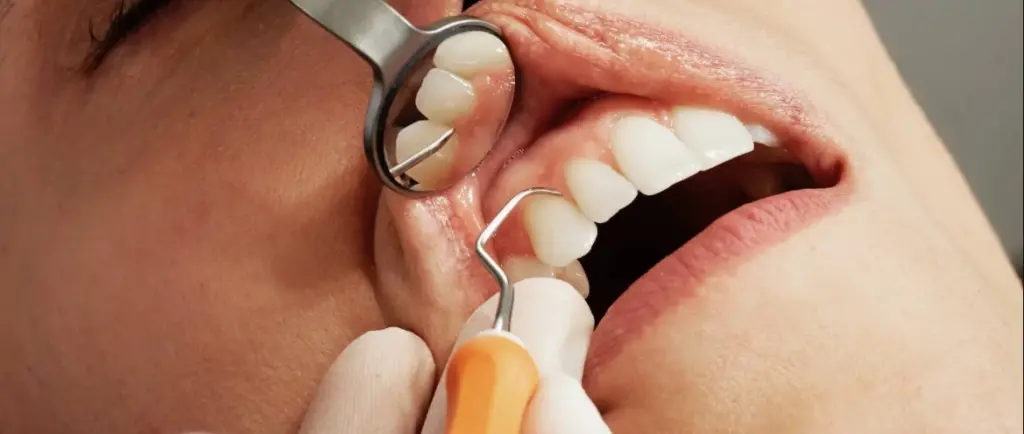
Dental hygiene and therapy refer to clean and healthy teeth as well as less pain, less anxiety, and less need for dental treatments. The fundamental duties of the dental hygienist are to clean, educate, and motivate patients towards good periodontal (gum) health. Getting treatment and home care instructions for gingivitis is usually the main factor. The dental hygienist, besides dental cleaning procedures, is also involved in educating and inspiring the clientele on the necessity of common home care and braces care.
Dental hygiene therapy is often accomplished with the involvement of a patient in the educational process of the treatment. The dental professional employs a variety of instruments and devices in the procedures to remove dental plaque, stain, and calculus from the mouth. A major goal of dental hygiene is to regain and keep oral health through regular visits to the dental hygienist.
Dental therapy is the clinical part necessary when the preventive measures are insufficient. A dental therapist is qualified to carry out a variety of dental procedures with a view to easing the etiologies accompanied by dental pain. They include simple restorations, the application of fluoride, periodontal treatments, and in some cases, extractions. Dental therapy addresses the challenging issue of providing patients with such treatments as would lead to maintaining oral health in the future.
The Importance of Dental Hygiene
There is no question that dental hygiene, in its turn, is very important for our general health. The mouth is one of the main routes through which the body gets nutrients. Poor oral care has also been linked to the development of different diseases. Regular dental hygiene is instrumental in the case of the prevention of plaque, tartar, and bacteria, that the primary causes of tooth decay and gingivitis, besides brushing, flossing, and professional cleaning.
Good oral hygiene not only avoids dental problems but is also essential in the prevention of serious diseases. Studies have found connections between poor oral health and such ailments as heart diseases, diabetes, and respiratory infections. Consequently, the practice of oral hygiene is the leader of the pack in the promotion of general health.
The Role of Dental Therapy

Dental therapy treats and manages dental diseases, as the main function of dental hygiene is prevention. The scope of dental therapy consists of the implementation of various restorations such as the filling of a cavity, the application of a crown, and root canal treatment.
They manage gum diseases, perform minor surgeries on the mouth, and do other interventions that take care of the oral health of patients.
Dental therapists share the work with dentists, and their skill set is a good fit with that of other dental professionals. Basically, they have the qualifications to provide several functions that are performed in the hospital setting, focusing on patients who have dental problems and are in need of immediate intervention. In certain situations, dental therapists can be found in work locations without adequate dental practitioners, where access to a dentist is limited.
How Competitive is Dental Hygiene and Therapy?
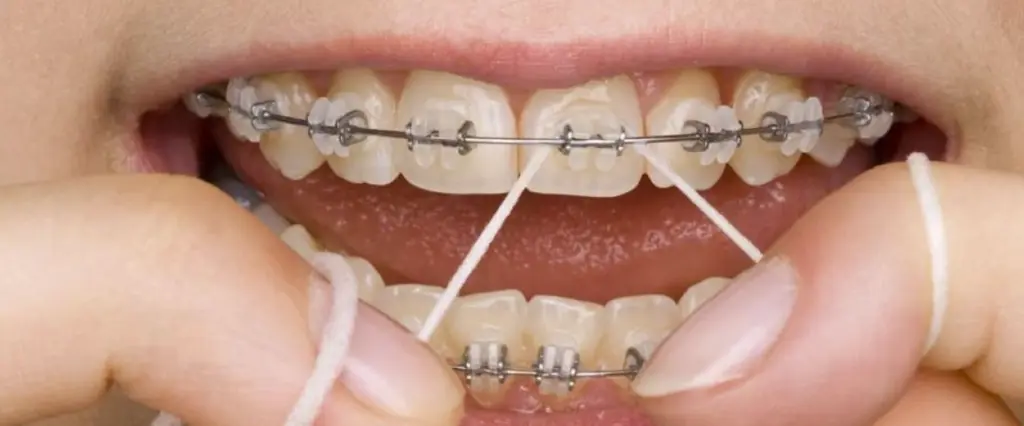
Dental hygiene and therapy are now competing for the same field and are getting more and more competitive. The main reason for this is the growing public awareness of the oral health impact on general health. As people turn into health nuts, the demand for dental professionals goes up and so does the competitiveness in these fields.
On the one hand, dental hygiene only needs a certain level of education, whereas dental therapy programs are more complicated, which implies that the candidates should have higher qualifications and that there will be more competition. Moreover, both professions require employees to always have the latest information from the research, the newest techniques, and the latest technology in dentistry. Thus, these professions become attractive to people as they offer opportunities for personal development and a later profession, which increases their competitiveness.
Usually, these are the programs in the dental schools or the universities that have been officially recognized, and they give the students both the needed theoretical part of the studies as well as the practical part in order to be dental hygienists or therapists.
Typically, dental hygiene programs take two to three years to complete, and that is based on the country or university. The curricula of these programs are mainly based on preventive care and have a component of clinical procedures, patient communication, and health education. Besides, many programs provide clinical rotations that allow students to gain valuable hands-on experience.
In comparison, dental therapy is a more extensive program and usually takes three to four years to complete. The program of dental therapy teaches the students not only the methods of preventive care but also the treatment and restorative dental procedures. As a result, the students in dental therapy programs are equipped to do a wider range of clinical treatments, and hence they can be assigned for more client interaction in the treatment and management of dental diseases.
The following are some of the universities that offer the best dental hygiene and therapy programs:
University of California, San Francisco (UCSF) – It is ranked as the number one dental hygiene program with the utmost level of accreditation, and also provides higher degrees for dental therapists.
King’s College London – The dental therapy course is extremely popular among students and it also gives the students a chance to get real clinical practice exposure.
University of Melbourne, Australia – The university’s dental hygiene and therapy courses are the most sought after, with high-quality undergraduate and postgraduate courses.
University of North Carolina, Chapel Hill – It is a wonderful and highly recognized dental hygiene program and also offers the possibility of specialization.
It can be said that students with a keen interest in dental hygiene and therapy will be best advised to research the institutions that have been accredited in their area and find a program that best suits them to take off their future career path.
Why Dental Hygiene and Therapy Are Essential
Oral hygiene might be a factor in someone’s attraction, but it is still just a small part of his/her overall health. Dental hygiene and therapy are a vehicle through which the leading organization can both stop and kill patients’ dental problems that may lead to life-threatening conditions if they stay untreated.
Routine dental visits involving the labors of dental hygienists are also the initial recourse/protection system for both identification and treatment of dental caries, pyorrhea, and other similar issues. Thus early detection and treatment of periodontitis or tooth decay, at this point, are what pull the patient away from costly and complicated medical treatments later on. In those cases when dental restorative or therapeutic actions have been performed, it is the dental therapists who carry out the necessary operations for the restoration of the patient’s oral health.
In addition, oral hygiene and oral surgery are two of the main contributors to a person’s health that dental therapy cannot address. Some dental affections, such as the total loss of teeth and infection of the gums may become obstacles to the ability of the person to eat, spea,k and smile without restraint. Adopting proper oral hygiene and visiting a dentist whenever necessary, people will be able to enjoy a life filled with happiness and less frequent oral diseases.
Is Dental Hygiene and Therapy Competitive?
Certainly, dental hygiene and therapy are both highly competitive fields, more so in those areas where the need for the number of skilled professionals is high. Usually, dental hygiene is considered as a less difficult job with fewer qualification requirements, while dental therapy is more of a specialized field with a higher level of expertise needed.
The growing focus on prevention and the recognition of oral health importance are the main factors that increase the need for dental hygienists and oral health therapists. In some countries, dental hygienists and therapists are also performing functions in communities’ oral health promotion programs, which may soon become their primary area of work after graduation.
Furthermore, the competition impinging on these career scopes is not confined to the time of getting into the ranking only, but there is also fierce competition as regards certain specialties. For example, a dental therapist may consider one of the specialties amongst pediatric dentistry or periodontal therapy that not only will allow the dental therapists to become more competitive but also would increase the potential of their income.
Is Dental Hygiene and Therapy Hard?
The truth is that for one to be a competent dental hygienist or therapist, it takes a lot of groveling not only in the classroom but also in the practical area, which is consistent in both the educational process. Though the gains are massive, professionally and personally, as well.
Dental hygiene and therapy professionals ought to build up strong technical abilities and have knowledge in oral health, patient care, and dental procedures. Moreover, these professionals need to possess superb communication skills as they involve educating patients about proper oral care and assisting them in understanding the importance of regular dental visits.
The tough education required in dental therapy programs makes it a more difficult field than dental hygiene; however, dental therapists have a wide scope of practice and frequently get the chance to work in different places, such as community health programs, private clinics, or hospitals.
Conclusion: Why Choose Dental Hygiene or Therapy?
Dental hygiene and therapy are the first line of defense and essential indeed, to oral health care, both from the prevention and restoration perspectives. Professionals in these areas are instrumental in the provision of therapeutic or preventive treatment, which is fundamental in the solution to solving the problem of people losing their teeth.
The highly competitive nature of both professions, coupled with the rising demand for oral care, has made these options attractive to those committed to that cause. The dental care field is very rewarding and offers a career path that can be furthered, as well as one that can offer job satisfaction.
Moreover, choosing between dental hygiene and therapy would not only be a wise career move, but it would also enable you to take part in the lives of numerous people who depend on your skills and knowledge in order to attain and maintain their oral health at the best level.
References
- University of California, San Francisco. (n.d.). Dental hygiene programs. Retrieved from https://dental.ucsf.edu/dental-hygiene
- King’s College London. (n.d.). Dental therapy. Retrieved from https://www.kcl.ac.uk/dental-therapy
- University of Melbourne. (n.d.). Dental hygiene and therapy programs. Retrieved from https://study.unimelb.edu.au/find/courses/
- University of North Carolina, Chapel Hill. (n.d.). Dental hygiene program. Retrieved from https://dentistry.unc.edu/education/hygiene/
Frequently Asked Questions About Dental Hygiene and Therapy
To become a dental hygienist, individuals must complete an accredited dental hygiene program, pass a licensure exam, and obtain state certification. The program typically includes coursework in dental anatomy, pathology, and clinical practice.
While both professionals focus on oral health, dental hygienists primarily provide preventive care, such as cleaning teeth and educating patients. Dental therapists, however, are trained to perform restorative and therapeutic procedures, including fillings, extractions, and treating gum disease.
Becoming a dental hygienist usually takes two to three years of study, while dental therapy programs typically take three to four years to complete, depending on the country and program.
Yes, dental hygiene is an excellent career choice due to the growing demand for preventive oral care. It offers job stability, good earning potential, and the opportunity to make a positive impact on patients’ lives.
Dental therapists are trained to perform minor surgical procedures, such as tooth extractions, and they play an important role in treating oral diseases, including gum disease and cavities.
In many countries, dental hygienists and therapists work under the supervision of licensed dentists. However, some regions allow them to operate independently within defined legal frameworks, especially in public health programs or community dental care settings. This independence helps increase access to oral healthcare in underserved areas.
Success in these careers requires excellent manual dexterity, strong communication skills, and attention to detail. Empathy and patience are also essential, as hygienists and therapists work closely with patients who may feel anxious about dental care. A commitment to continuous learning is vital, as dental technology and treatment methods constantly evolve.
The demand for dental hygienists and therapists is steadily increasing due to greater public awareness of oral health and preventive care. Professionals can find employment in dental clinics, hospitals, schools, research centers, or even public health organizations. International opportunities are also expanding as countries invest more in oral healthcare systems.
Many universities and dental schools worldwide offer accredited programs in dental hygiene and therapy. When choosing a program, it’s important to ensure it meets national licensing requirements and includes sufficient clinical training. At LEMA Dental Clinic, professionals often collaborate with institutions to support clinical internships and practical learning experiences for students pursuing these careers.

