


Prevent pediatric caries through remineralization, fissure sealants, and glycemic control.
Early Childhood Caries (ECC) is not merely a defect of tooth structure; it is a disease caused by the multiplication of specific bacteria that form plaque on the tooth surface and can therefore be transmitted to others. To stop this decay, it is necessary for the dentist to carefully follow several clinical guidelines in order to control the balance of the organisms living in the mouth (microbiome), and at the same time remineralize the developing enamel of a child’s baby teeth.
The Process Leading to Demineralization
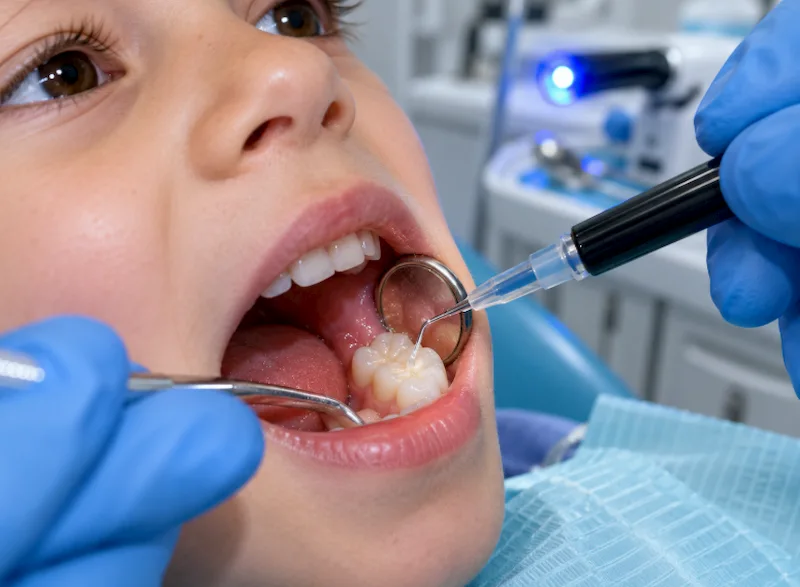
The mouth is a habitat for many tiny living organisms that form a very complex community. When kids eat sugars that bacteria can ferment (e.g., sucrose or fructose), they produce a type of bacterial plaque with cariogenic bacteria, such as Streptococcus mutans and Lactobacilli. These bacteria utilize the sugars and secrete lactic acid.
If the acid created by caries-producing bacteria is so minimal that it brings the plaque pH to less than 5.5, remineralization (decalcification) begins. The Ca ion (phosphate) and PH2(OH) ion solubility will cause the enamel to be deposited again (reprecipitation). At such a low pH the calcium and phosphate released are mainly a result of dissolving hydroxyapatite in the enamel (i.e., demineralization). The acidogenic stress should consist of frequent and long-term demineralization before it will result in a visible cavity.
Clinical Preventive Strategies
At Lema Dental Clinic, pediatric prevention relies on proactive, evidence-based interventions by Dentist Polen Akkılıç to physically and chemically fortify the enamel matrix before cavitation occurs.
- Local Fluoride Applications: Fluoride varnish containing 5% sodium fluoride that has been locally applied has the capability to transform the enamel’s hydroxyapatite surface into fluorapatite. Fluorapatite is a material which is highly resistant to the effects of an acid medium and is capable of stopping early enamel lesions from progressing.
- Arc Resin Sealant System: Primary and permanent molars of the patients will be fitted with resin arc sealants due to the presence of deep grooves and pits on their molar occlusal surfaces. This type of surface topography facilitates bacterial colonization as toothbrushes cannot effectively clean them. Therefore, the use of a hydrophobic resin sealant is recommended since it physically covers these irregular anatomies, thereby preventing the acid-producing cariogenic biofilms from gaining a foothold.
- Xylitol-based Therapies: Xylitol is a type of sugar alcohol which is not subject to the process of bacterial fermentation. This characteristic of Xylitol makes it a potent tool against bacterial colonization since its use will lead not only to the removal of bacteria from the mouth surface, but also to an effective destruction of the plaque of the dental caries by starving the bacteria.
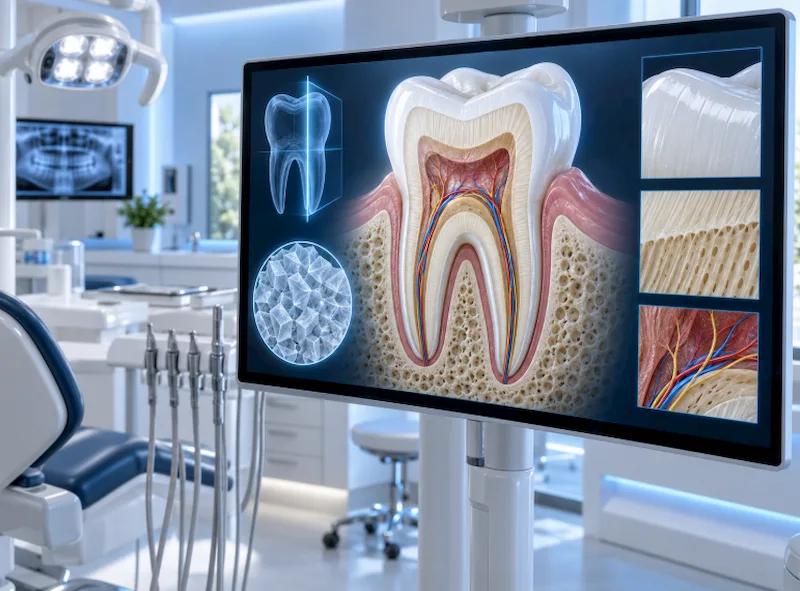
Dietary Acidogenic Risk Factors
To effectively control diet, it’s not enough to monitor the overall quantity of carbohydrates; one should also pay close attention to how often one consumes them. With each consumption, teeth go through a 20-minute period of demineralization.
| Dietary Component | Cariogenic Risk Profile | Biomechanical Consequence |
| Sucrose-Based Liquids (Juice/Soda) | High / Rapid | Instantaneous drop in oral pH; rapid enamel demineralization. |
| Sticky Starches (Gummies/Crackers) | Extreme | Prolonged retention in occlusal fissures; extended acid exposure. |
| Casein (Milk/Cheese) | Protective (Anticariogenic) | Buffers salivary pH; supplies calcium and phosphate for remineralization. |
Frequently Asked Questions
1. Is fluoride toothpaste safe for toddlers under three years old?
Yes, it is clinically recommended. However, to prevent systemic fluorosis from accidental ingestion, a highly controlled “smear” or grain-of-rice-sized amount of fluoridated toothpaste must be used until the child develops the motor skills to expectorate (spit) completely.
2. Can cavities in primary (baby) teeth affect the permanent adult teeth?
Absolutely. Severe purulent infections in primary teeth can spread directly through the alveolar bone and permanently hypocalcify (discolor and weaken) the developing permanent tooth bud resting underneath the primary root.
3. When should a pediatric patient receive their first dental evaluation?
Clinical guidelines mandate the establishment of a Dental Home by the age of 12 months, or within six months of the eruption of the first primary incisor, to implement early preventive risk assessments.
4. How do pit and fissure sealants bond to the pediatric tooth?
The occlusal enamel is briefly micro-etched using 37% phosphoric acid to create microscopic porosities. The low-viscosity resin sealant flows into these porosities and is photo-polymerized using an LED curing light, forming an impenetrable micromechanical lock.
Academic References
- Tinanoff, N., & Reisine, S. (2009). Update on early childhood caries since the Surgeon General’s Report. Academic Pediatrics, 9(6), 396-403.
- Featherstone, J. D. (2000). The science and practice of caries prevention. The Journal of the American Dental Association, 131(7), 887-899.
- Ahovuo-Saloranta, A., Forss, H., Walsh, T., Nordblad, A., Mäkelä, M., & Worthington, H. V. (2017). Pit and fissure sealants for preventing dental decay in permanent teeth. Cochrane Database of Systematic Reviews, (8).
- Marinho, V. C., Worthington, H. V., Walsh, T., & Clarkson, J. E. (2013). Fluoride varnishes for preventing dental caries in children and adolescents. Cochrane Database of Systematic Reviews, (7).

