

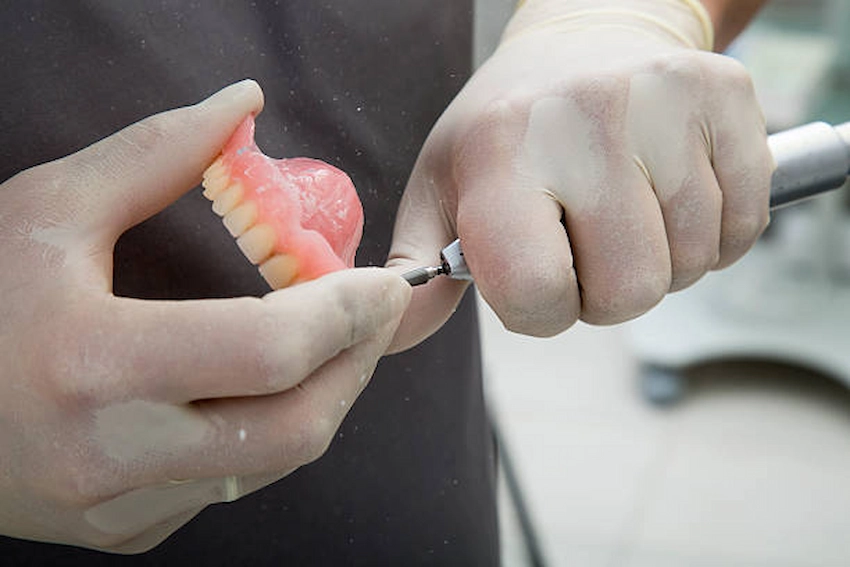
The hidden link: Can denture adhesive cause sinus problems?
Kunstgebitlijm veroorzaakt zelden sinusproblemen, maar irritatie of een slechte pasvorm van het kunstgebit kan ongemak veroorzaken.
In de tandartsstoel zien we dit tafereel bijna dagelijks. Een vermoeide en boze patiënt vertelt ons dat hun bovenprothese gewoon niet blijft zitten. In een vlaag van wanhoop brengen ze steeds meer kleefmiddel voor kunstgebitten aan, totdat ze uiteindelijk, achter de jukbeenderen, een doffe pijn ontwikkelen. Het gaat onophoudelijk door. Hun neus blijft verstopt en het ongemak in het gezicht houdt aan. De patiënt stelt ons de vraag: Zou het gebruik van de kunstgebitlijm daadwerkelijk de oorzaak kunnen zijn van mijn sinusproblemen? Dit is een beetje een mythe. De lijm zelf komt niet rechtstreeks in de sinus terecht. Echter, als we zorgvuldig kijken naar de processen die onder het tandvlees plaatsvinden, kunnen we ons realiseren dat de factoren die u ertoe aanzetten om meer pasta te gebruiken, eigenlijk een belangrijke oorzaak zijn van uw sinusprobleem. Bovendien zullen de ingrediënten die in de pasta worden gebruikt uw gezondheid drastisch beïnvloeden. De combinatie van factoren – zoals een dunne laag zacht weefsel en een zeer sterke kracht van het kunstgebit om op zijn plaats te blijven – zal allemaal bijdragen aan het ontstaan of verergeren van het probleem.Begrijpen waarom een kunstgebit loskomt
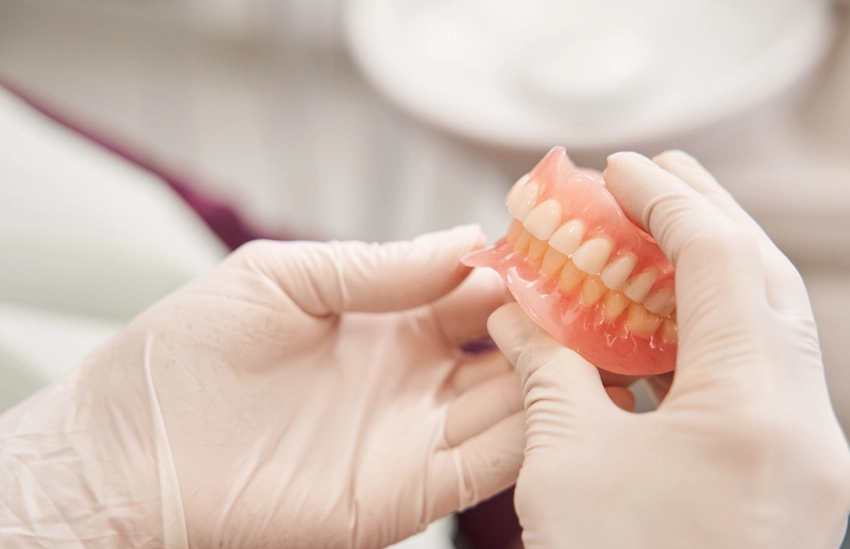
Een verborgen gevaar: zink en zenuwschade
Als u een van de mensen bent die regelmatig afhankelijk is van de kunstgebitlijm, bent u waarschijnlijk op de hoogte van een van de veelvoorkomende ingrediënten. De meeste in de winkel verkrijgbare kunstgebitlijmen op de markt zijn gemaakt met aanzienlijke hoeveelheden toegevoegd zink, zodat de hechtkracht van het product wordt verhoogd. Echter, wanneer het kunstgebit niet past, moeten patiënten een veel grotere dosis van het product gebruiken; daarom slikken ze het dagelijks door. Overmatige inname van zink kan het koper in uw lichaam uitputten. Op de lange termijn is het een kopertekort dat neurologische symptomen veroorzaakt zoals gevoelloosheid, tintelingen en hoofdpijn. Dit zijn zeer subtiele tekenen van zenuwstoornissen die maar weinigen bij zichzelf herkennen. Soms denken de getroffen mensen dat dit de symptomen zijn van sinusdruk. Dit zal een persoon alleen maar erg gefrustreerd maken over zijn gezondheidstoestand en hem zelfs vertragen in het krijgen van de hulp die hij nodig heeft. Het is erg triest om te zien hoeveel mensen op deze manier lijden en een zinktekort verwarren met sinuscongestie.Voorbij de pasta
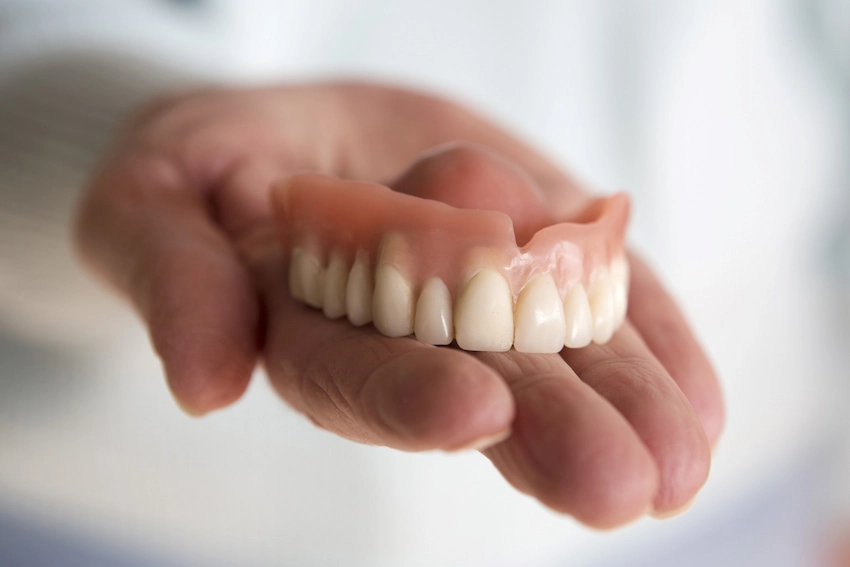
De kunstgebitlijm versus implantaatalternatieven tabel
| Oplossing | Sinusrisicoprofiel | Botbehoud | Dagelijkse verzorging |
| Traditionele kunstgebitten + pasta | Hoog (irritatie & zink) | Slecht (bot verdwijnt) | Rommelig dagelijks plakken |
| Sinuslift + standaardimplantaten | Laag (herbouwt sinusbodem) | Uitstekend | Normaal poetsen |
| Zygomatische implantaten | Zeer laag (omzeilt sinus) | Uitstekend | Normaal poetsen |
| All-on-4 / All-on-6 systemen | Laag (vermijdt sinusholte) | Uitstekend | Normaal poetsen |
Veelgestelde vragen
Academische referenties
- Al-Omiri, M. K., & Karasneh, J. (2010). Relatie tussen mondgezondheidgerelateerde kwaliteit van leven, tevredenheid en persoonlijkheid bij patiënten met prothetische rehabilitatie. Journal of Prosthodontic Research, 54(4), 166-171.
- Carlsson, G. E. (2014). Reacties van het kaakbot op druk. Gerodontology, 31(1), 2-7.
- Nations, S. P., Boyer, P. J., Love, L. A., Burritt, M. F., Butz, J. A., Wolfe, G. I., ... & Trivedi, J. R. (2008). Kunstgebitcrème: een ongebruikelijke bron van overtollig zink, leidend tot hypocupremie en neurologische aandoeningen. Neurology, 71(9), 639-643.
- Sharma, A., & Rahul, G. R. (2013). Zygomatische implantaten – een literatuuroverzicht. Journal of Oral Implantology, 39(2), 215-224.
- Zarb, G. A., Hobkirk, J. A., Eckert, S. E., & Jacob, R. F. (2013). Prosthodontic treatment for edentulous patients: complete dentures and implant-supported prostheses (13e ed.). Elsevier Health Sciences.
Veelgestelde vragen
Is it really so dangerous to swallow that small amount of paste from a denture daily?
In the case of my patients, a little bit of zinc-free paste accidentally ending up in the throat is not a problem on a medical level. On the other hand, multiple thick strips every single mouthful of food, however, is definitely risky. The body, after a prolonged time of chemical exposure, will suffer from serious mineral imbalance.
What causes upper jaw discomfort when one chews close to the eyes?
This is definitely an important signal from the body. There is hardly any physical presence of the jawbone under the upper part where it was previously present, so there is no physical resistance to stop the denture. The paper-thin layer of bone, which is left is under the sinus, becomes crushed, which is responsible for the acute pain throughout the cheekbones. The pain can be interpreted as an upper jaw problem, but in fact, it’s the toothless jaw that doesn’t hold the denture anymore,e and the denture keeps crushing the very small piece of bone beneath the sinuses.
Is a loose denture able to cause a direct bacterial infection of the sinus?
Not directly. The hard materials, like the denture acrylic or the adhesive itself, are unable to cause infection from the sinus. But indirectly, sure. The constant pressure from a loose denture will irritate sores on your gums that, very quickly, fill with bacteria, which are only millimeters away from your sinus membrane. Once the bacteria penetrate the sinus membrane, a full-blown, reactive inflammation of your sinuses is just around the corner.
How are Zygomatic implants protecting my sinuses?
We alter the direction when we perform Zygomatic implants at the clinic. Rather than placing the implants directly next to a soft area of the bone that is already very fragile due to the shrinkage of the jaw, we are using implants with an increased length, which completely avoids contact with the sinus and only reach the solid cheekbone. This is an absolutely safe solution.
Is there any time required for a person to switch from the traditional dentures to the implants?
Thanks to the development of the All-on-4 or All-on-6 techniques, it is indeed possible within the span of just a few days to extract old teeth, insert the implants, and finally, deliver a fixed dental prosthesis. Once you leave the dentist's chair, you no longer have an uncovered area on the roof of your mouth, and you never have to open a container containing a single piece of denture adhesive again.