

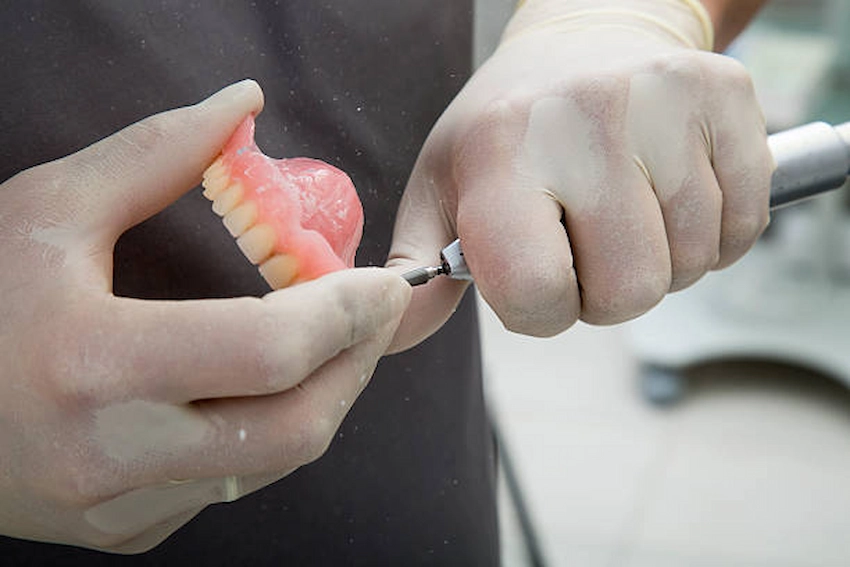
Det dolda sambandet: Kan tandproteslim orsaka bihåleproblem?
Proteslim orsakar sällan bihåleproblem, men irritation eller dålig passform på protesen kan skapa obehag.
I tandläkarstolen ser vi denna scen nästan dagligen. En trött och arg patient berättar för oss att deras övre protes helt enkelt inte vill sitta kvar. I ren desperation applicerar de mer och mer proteslim tills de slutligen, bakom kindbenen, utvecklar en dov smärta. Det fortsätter utan uppehåll. Näsan förblir blockerad och ansiktsbesvären kvarstår. Patienten vänder sig till oss med frågan: Kan användningen av proteslimmet faktiskt vara orsaken till mina bihåleproblem? Detta är lite av en myt. Limmet i sig färdas inte direkt in i bihålan. Men om vi noggrant granskar processerna som sker under tandköttet, kan vi inse att de faktorer som får dig att använda mer pasta faktiskt är en stor orsak till dina bihåleproblem. Dessutom kommer ingredienserna i pastan att dramatiskt påverka din hälsa. Kombinationen av faktorer – såsom ett tunt lager mjukvävnad och en mycket stark kraft för att protesen ska sitta kvar – kommer alla att bidra till att problemet uppstår eller förvärras.Förstå varför en protes fortsätter att lossna
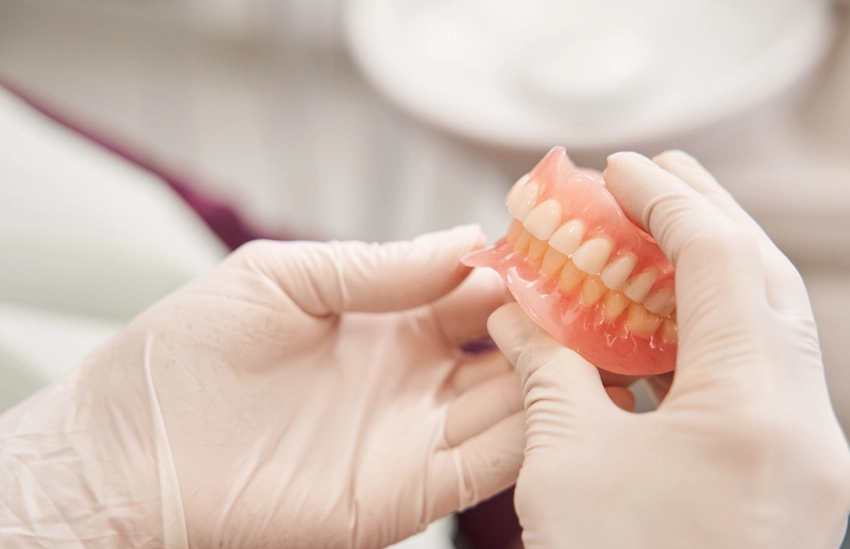
En dold fara: Zink och nervskador
Om du är en av dem som regelbundet förlitar dig på proteslim, är du med största sannolikhet medveten om en av de vanliga ingredienserna. Majoriteten av de proteslim som säljs i butiker har tillverkats med betydande mängder zink tillsatt för att öka produktens fästförmåga. Men när protesen inte passar måste patienterna använda en mycket större dos av produkten; därför sväljer de det dagligen. Överdrivet intag av zink kan tömma kroppens kopparförråd. På lång sikt är det en kopparbrist som orsakar neurologiska symtom som domningar, stickningar och huvudvärk. Dessa är mycket subtila tecken på nervdysfunktion som väldigt få inser att de upplever. Ibland tror de drabbade att detta är symtom på bihålebesvär. Det kommer bara att göra en person mycket frustrerad över sitt hälsotillstånd och till och med fördröja att de får den hjälp de behöver. Det är mycket sorgligt att se antalet människor som lider på detta sätt och misstar zinkbrist för bihålebesvär.Bortom pastan
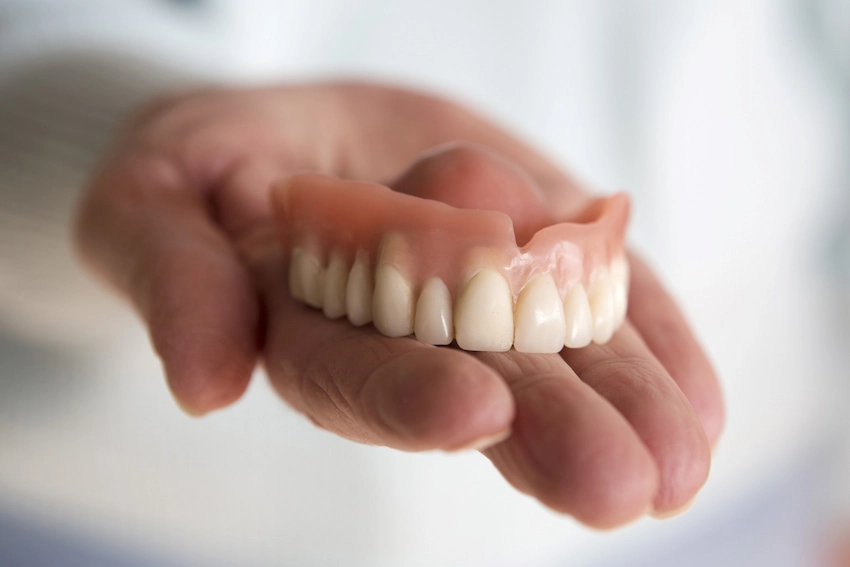
Jämförelsetabell: Proteslim kontra implantatalternativ
| Lösning | Bihåleriskprofil | Benbevarande | Daglig skötsel |
| Traditionella proteser + pasta | Hög (irritation & zink) | Dålig (benet försvinner) | Kletig daglig applicering |
| Sinuslyft + standardimplantat | Låg (återuppbygger bihålebotten) | Utmärkt | Normal borstning |
| Zygomaticimplantat | Mycket låg (går förbi bihålan) | Utmärkt | Normal borstning |
| All-on-4 / All-on-6-system | Låg (undviker bihålan) | Utmärkt | Normal borstning |
Vanliga frågor och svar
Akademiska referenser
- Al-Omiri, M. K., & Karasneh, J. (2010). Relationship between oral health-related quality of life, satisfaction, and personality in patients with prosthetic rehabilitation. Journal of Prosthodontic Research, 54(4), 166-171.
- Carlsson, G. E. (2014). Responses of jawbone to pressure. Gerodontology, 31(1), 2-7.
- Nations, S. P., Boyer, P. J., Love, L. A., Burritt, M. F., Butz, J. A., Wolfe, G. I., ... & Trivedi, J. R. (2008). Denture cream: an unusual source of excess zinc, leading to hypocupremia and neurologic disease. Neurology, 71(9), 639-643.
- Sharma, A., & Rahul, G. R. (2013). Zygomatic implants—a literature review. Journal of Oral Implantology, 39(2), 215-224.
- Zarb, G. A., Hobkirk, J. A., Eckert, S. E., & Jacob, R. F. (2013). Prosthodontic treatment for edentulous patients: complete dentures and implant-supported prostheses (13th ed.). Elsevier Health Sciences.
Vanliga frågor
Is it really so dangerous to swallow that small amount of paste from a denture daily?
In the case of my patients, a little bit of zinc-free paste accidentally ending up in the throat is not a problem on a medical level. On the other hand, multiple thick strips every single mouthful of food, however, is definitely risky. The body, after a prolonged time of chemical exposure, will suffer from serious mineral imbalance.
What causes upper jaw discomfort when one chews close to the eyes?
This is definitely an important signal from the body. There is hardly any physical presence of the jawbone under the upper part where it was previously present, so there is no physical resistance to stop the denture. The paper-thin layer of bone, which is left is under the sinus, becomes crushed, which is responsible for the acute pain throughout the cheekbones. The pain can be interpreted as an upper jaw problem, but in fact, it’s the toothless jaw that doesn’t hold the denture anymore,e and the denture keeps crushing the very small piece of bone beneath the sinuses.
Is a loose denture able to cause a direct bacterial infection of the sinus?
Not directly. The hard materials, like the denture acrylic or the adhesive itself, are unable to cause infection from the sinus. But indirectly, sure. The constant pressure from a loose denture will irritate sores on your gums that, very quickly, fill with bacteria, which are only millimeters away from your sinus membrane. Once the bacteria penetrate the sinus membrane, a full-blown, reactive inflammation of your sinuses is just around the corner.
How are Zygomatic implants protecting my sinuses?
We alter the direction when we perform Zygomatic implants at the clinic. Rather than placing the implants directly next to a soft area of the bone that is already very fragile due to the shrinkage of the jaw, we are using implants with an increased length, which completely avoids contact with the sinus and only reach the solid cheekbone. This is an absolutely safe solution.
Is there any time required for a person to switch from the traditional dentures to the implants?
Thanks to the development of the All-on-4 or All-on-6 techniques, it is indeed possible within the span of just a few days to extract old teeth, insert the implants, and finally, deliver a fixed dental prosthesis. Once you leave the dentist's chair, you no longer have an uncovered area on the roof of your mouth, and you never have to open a container containing a single piece of denture adhesive again.