

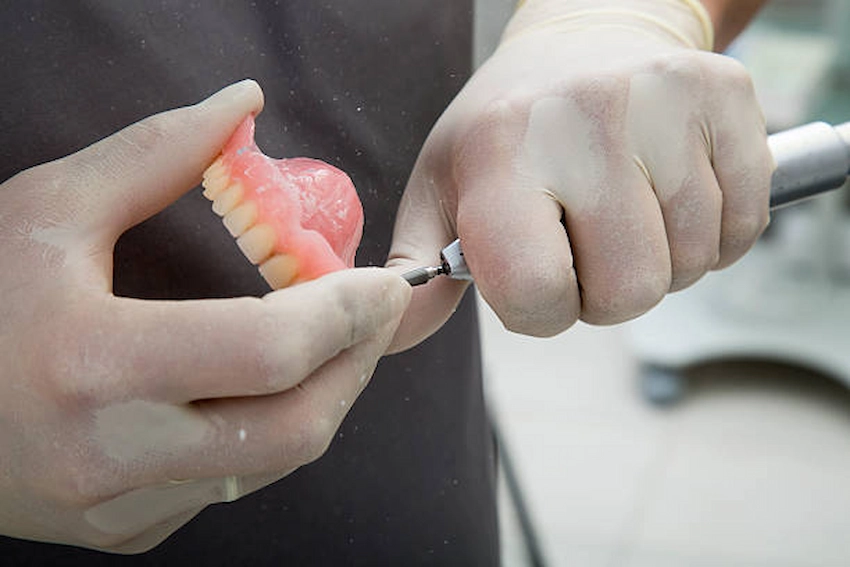
Protez Yapıştırıcısı Sinüs Problemi Yapar mı?
Protez yapıştırıcısı nadiren sinüs sorunlarına neden olur, ancak tahriş veya protezin kötü oturması rahatsızlık yaratabilir.
Diş hekimi koltuğunda bu sahneyi neredeyse her gün görüyoruz. Yorgun ve sinirli bir hasta bize üst protezinin yerinde durmadığını anlatıyor. Çaresizlik içinde, sonunda elmacık kemiklerinin arkasında donuk bir ağrı hissedene kadar giderek daha fazla protez yapıştırıcısı uyguluyorlar. Bu durum hiç durmadan devam ediyor. Burunları tıkalı kalıyor ve yüzdeki rahatsızlık sürüyor. Hasta bize şu soruyu yöneltiyor: Protez yapıştırıcısının kullanımı gerçekten sinüs sorunlarımın tetikleyicisi olabilir mi? Bu biraz efsane. Yapıştırıcının kendisi doğrudan sinüse gitmez. Bununla birlikte, diş etinin altında meydana gelen süreçleri dikkatlice incelersek, daha fazla macun kullanmaya başvurmanıza neden olan faktörlerin aslında sinüs sorununuzun önemli bir nedeni olduğunu fark edebiliriz. Ek olarak, macunda kullanılan bileşenler sağlığınızı önemli ölçüde etkileyecektir. Yumuşak dokunun ince bir tabakası ve protezin yerinde kalması için çok güçlü bir kuvvet gibi faktörlerin birleşimi, sorunun oluşmasına veya kötüleşmesine yol açacaktır.Bir Protezin Neden Sürekli Çıktığını Anlamak
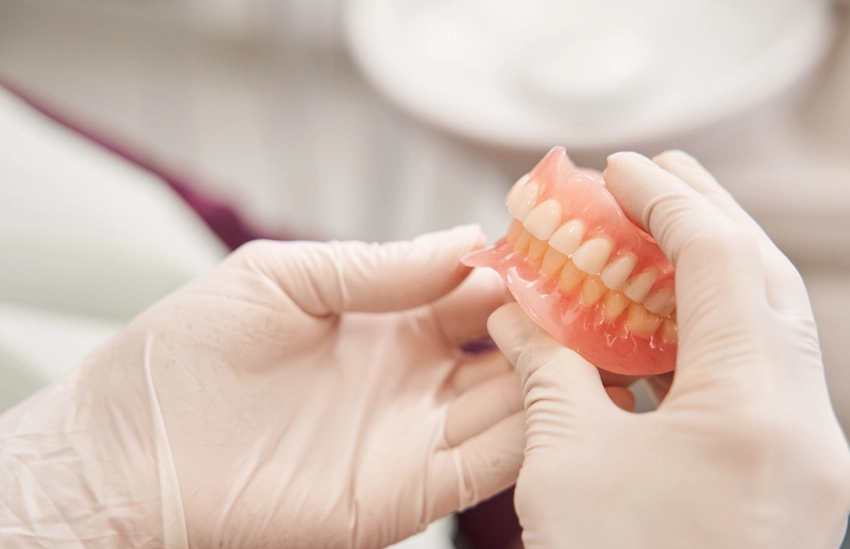
Gizli Bir Tehlike: Çinko ve Sinir Hasarı
Düzenli olarak protez yapıştırıcısına güvenen kişilerden biriyseniz, yaygın bileşenlerden birinden büyük olasılıkla haberdarsınızdır. Piyasadaki çoğu mağaza protez yapıştırıcısı, ürünün tutuş gücünü artırmak için önemli miktarda çinko eklenerek yapılmıştır. Ancak, protez uymadığında, hastalar ürünün çok daha büyük bir dozunu kullanmak zorunda kalır; bu nedenle, bunu günlük olarak yutarlar. Aşırı çinko alımı, vücudunuzdaki bakırı tüketebilir. Uzun vadede, uyuşma, karıncalanma ve baş ağrısı gibi nörolojik semptomlara neden olan bir bakır eksikliğidir. Bunlar, çok az kişinin kendilerinde meydana geldiğini fark ettiği sinir fonksiyon bozukluğunun çok ince belirtileridir. Bazen, etkilenen kişiler bunları sinüs basıncının belirtileri olarak düşünürler. Bu durum, kişiyi sağlık durumundan dolayı çok hayal kırıklığına uğratır ve hatta ihtiyacı olan yardımı almasını geciktirir. Bu şekilde acı çeken ve çinko eksikliğini sinüs tıkanıklığıyla karıştıran insan sayısını görmek çok üzücü.Macunun Ötesinde
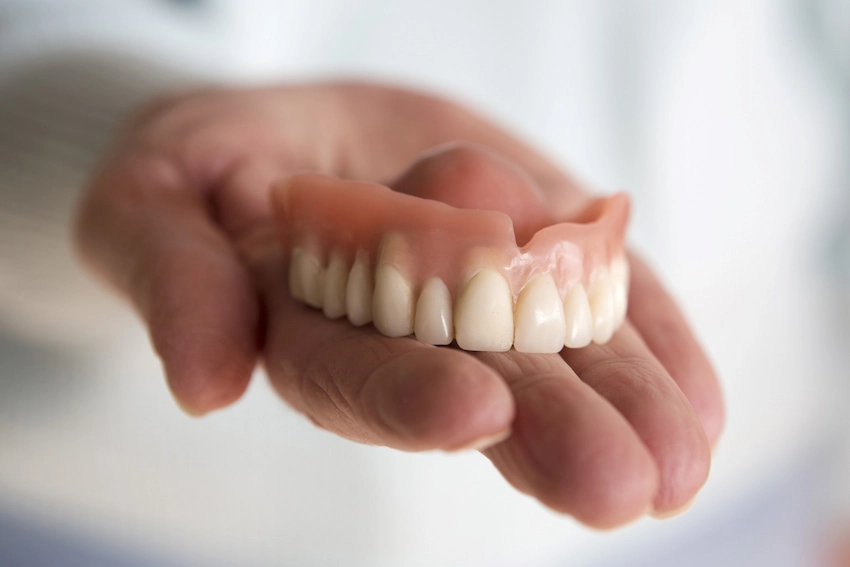
Protez Yapıştırıcısı ve İmplant Alternatifleri Tablosu
| Çözüm | Sinüs Risk Profili | Kemik Koruma | Günlük Bakım |
| Geleneksel Protezler + Macun | Yüksek (Tahriş ve Çinko) | Kötü (Kemik erir) | Dağınık günlük yapıştırma |
| Sinüs Kaldırma + Standart İmplantlar | Düşük (Sinüs tabanını yeniden inşa eder) | Mükemmel | Normal fırçalama |
| Zigomatik İmplantlar | Çok Düşük (Sinüsü atlar) | Mükemmel | Normal fırçalama |
| All-on-4 / All-on-6 Sistemleri | Düşük (Sinüs boşluğunu önler) | Mükemmel | Normal fırçalama |
Sıkça Sorulan Sorular
Akademik Referanslar
- Al-Omiri, M. K., & Karasneh, J. (2010). Relationship between oral health-related quality of life, satisfaction, and personality in patients with prosthetic rehabilitation. Journal of Prosthodontic Research, 54(4), 166-171.
- Carlsson, G. E. (2014). Responses of jawbone to pressure. Gerodontology, 31(1), 2-7.
- Nations, S. P., Boyer, P. J., Love, L. A., Burritt, M. F., Butz, J. A., Wolfe, G. I., ... & Trivedi, J. R. (2008). Denture cream: an unusual source of excess zinc, leading to hypocupremia and neurologic disease. Neurology, 71(9), 639-643.
- Sharma, A., & Rahul, G. R. (2013). Zygomatic implants—a literature review. Journal of Oral Implantology, 39(2), 215-224.
- Zarb, G. A., Hobkirk, J. A., Eckert, S. E., & Jacob, R. F. (2013). Prosthodontic treatment for edentulous patients: complete dentures and implant-supported prostheses (13th ed.). Elsevier Health Sciences.
Sıkça sorulan sorular
Is it really so dangerous to swallow that small amount of paste from a denture daily?
In the case of my patients, a little bit of zinc-free paste accidentally ending up in the throat is not a problem on a medical level. On the other hand, multiple thick strips every single mouthful of food, however, is definitely risky. The body, after a prolonged time of chemical exposure, will suffer from serious mineral imbalance.
What causes upper jaw discomfort when one chews close to the eyes?
This is definitely an important signal from the body. There is hardly any physical presence of the jawbone under the upper part where it was previously present, so there is no physical resistance to stop the denture. The paper-thin layer of bone, which is left is under the sinus, becomes crushed, which is responsible for the acute pain throughout the cheekbones. The pain can be interpreted as an upper jaw problem, but in fact, it’s the toothless jaw that doesn’t hold the denture anymore,e and the denture keeps crushing the very small piece of bone beneath the sinuses.
Is a loose denture able to cause a direct bacterial infection of the sinus?
Not directly. The hard materials, like the denture acrylic or the adhesive itself, are unable to cause infection from the sinus. But indirectly, sure. The constant pressure from a loose denture will irritate sores on your gums that, very quickly, fill with bacteria, which are only millimeters away from your sinus membrane. Once the bacteria penetrate the sinus membrane, a full-blown, reactive inflammation of your sinuses is just around the corner.
How are Zygomatic implants protecting my sinuses?
We alter the direction when we perform Zygomatic implants at the clinic. Rather than placing the implants directly next to a soft area of the bone that is already very fragile due to the shrinkage of the jaw, we are using implants with an increased length, which completely avoids contact with the sinus and only reach the solid cheekbone. This is an absolutely safe solution.
Is there any time required for a person to switch from the traditional dentures to the implants?
Thanks to the development of the All-on-4 or All-on-6 techniques, it is indeed possible within the span of just a few days to extract old teeth, insert the implants, and finally, deliver a fixed dental prosthesis. Once you leave the dentist's chair, you no longer have an uncovered area on the roof of your mouth, and you never have to open a container containing a single piece of denture adhesive again.