

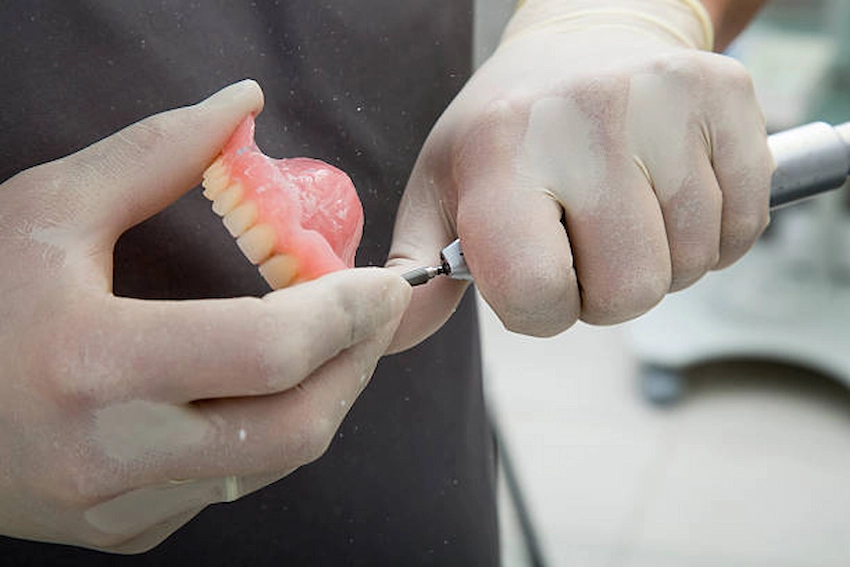
Скрытая связь: Фиксатор протезов и проблемы с носовыми пазухами?
Зубной клей редко вызывает проблемы с пазухами, но раздражение или плохая фиксация протеза могут вызвать дискомфорт.
В стоматологическом кресле мы видим эту картину почти ежедневно. Усталый и рассерженный пациент говорит нам, что его верхний протез просто не держится. В приступе отчаяния он наносит все больше и больше клей для зубных протезов, пока, наконец, за скулами не появляется тупая боль. Она не прекращается. Нос остается заложенным, а дискомфорт в области лица продолжается. Пациент обращается к нам с вопросом: может ли использование зубного клея на самом деле быть причиной моих проблем с пазухами? Это своего рода миф. Сам клей не попадает непосредственно в пазуху. Тем не менее, если внимательно присмотреться к процессам, происходящим под десной, можно понять, что факторы, заставляющие вас использовать больше пасты, на самом деле являются основной причиной вашей проблемы с пазухами. Кроме того, ингредиенты, используемые в пасте, будут сильно влиять на ваше здоровье. Сочетание таких факторов, как тонкий слой мягких тканей и очень сильное давление протеза для удержания, будет способствовать возникновению или усугублению проблемы.Понимание причин выпадения зубного протеза
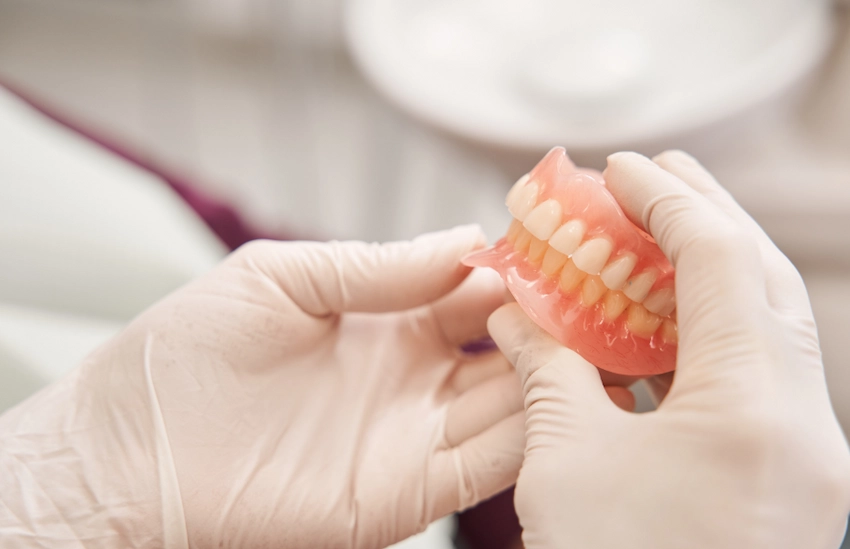
Скрытая опасность: цинк и повреждение нервов
Если вы регулярно используете зубной клей, вы, скорее всего, знаете об одном из распространенных ингредиентов. Большинство продаваемых в магазинах зубных клеев содержат значительное количество цинка, добавленного для увеличения силы сцепления продукта. Однако, когда протез не подходит, пациентам приходится использовать гораздо большую дозу продукта; следовательно, они проглатывают его ежедневно. Чрезмерное потребление цинка может истощать запасы меди в вашем организме. В долгосрочной перспективе именно дефицит меди вызывает неврологические симптомы, такие как онемение, покалывание и головные боли. Это очень тонкие признаки нарушения работы нервов, о которых мало кто догадывается. Иногда пострадавшие люди думают, что это симптомы давления в пазухах. Это только сильно расстроит человека из-за его состояния здоровья и даже задержит получение необходимой помощи. Очень грустно видеть, сколько людей страдает таким образом и принимает дефицит цинка за заложенность пазух.Помимо пасты
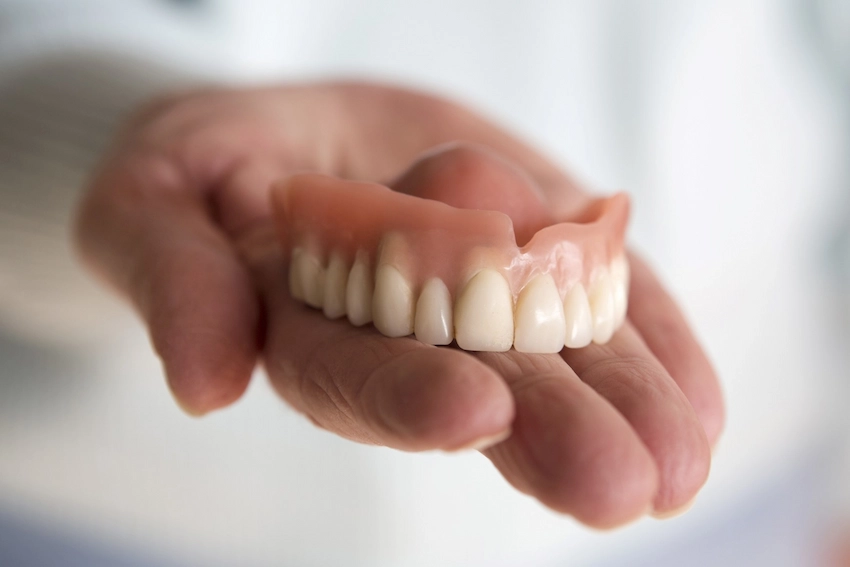
Таблица: Зубной клей против альтернатив имплантации
| Решение | Профиль риска для пазух | Сохранение кости | Ежедневный уход |
| Традиционные протезы + паста | Высокий (раздражение и цинк) | Плохое (кость рассасывается) | Неаккуратное ежедневное приклеивание |
| Синус-лифтинг + стандартные имплантаты | Низкий (восстанавливает дно пазухи) | Отлично | Обычная чистка |
| Скуловые имплантаты | Очень низкий (обходит пазуху) | Отлично | Обычная чистка |
| Системы All-on-4 / All-on-6 | Низкий (избегает пазухи) | Отлично | Обычная чистка |
Часто задаваемые вопросы
Академические ссылки
- Al-Omiri, M. K., & Karasneh, J. (2010). Relationship between oral health-related quality of life, satisfaction, and personality in patients with prosthetic rehabilitation. Journal of Prosthodontic Research, 54(4), 166-171.
- Carlsson, G. E. (2014). Responses of jawbone to pressure. Gerodontology, 31(1), 2-7.
- Nations, S. P., Boyer, P. J., Love, L. A., Burritt, M. F., Butz, J. A., Wolfe, G. I., ... & Trivedi, J. R. (2008). Denture cream: an unusual source of excess zinc, leading to hypocupremia and neurologic disease. Neurology, 71(9), 639-643.
- Sharma, A., & Rahul, G. R. (2013). Zygomatic implants—a literature review. Journal of Oral Implantology, 39(2), 215-224.
- Zarb, G. A., Hobkirk, J. A., Eckert, S. E., & Jacob, R. F. (2013). Prosthodontic treatment for edentulous patients: complete dentures and implant-supported prostheses (13th ed.). Elsevier Health Sciences.
Частые вопросы
Is it really so dangerous to swallow that small amount of paste from a denture daily?
In the case of my patients, a little bit of zinc-free paste accidentally ending up in the throat is not a problem on a medical level. On the other hand, multiple thick strips every single mouthful of food, however, is definitely risky. The body, after a prolonged time of chemical exposure, will suffer from serious mineral imbalance.
What causes upper jaw discomfort when one chews close to the eyes?
This is definitely an important signal from the body. There is hardly any physical presence of the jawbone under the upper part where it was previously present, so there is no physical resistance to stop the denture. The paper-thin layer of bone, which is left is under the sinus, becomes crushed, which is responsible for the acute pain throughout the cheekbones. The pain can be interpreted as an upper jaw problem, but in fact, it’s the toothless jaw that doesn’t hold the denture anymore,e and the denture keeps crushing the very small piece of bone beneath the sinuses.
Is a loose denture able to cause a direct bacterial infection of the sinus?
Not directly. The hard materials, like the denture acrylic or the adhesive itself, are unable to cause infection from the sinus. But indirectly, sure. The constant pressure from a loose denture will irritate sores on your gums that, very quickly, fill with bacteria, which are only millimeters away from your sinus membrane. Once the bacteria penetrate the sinus membrane, a full-blown, reactive inflammation of your sinuses is just around the corner.
How are Zygomatic implants protecting my sinuses?
We alter the direction when we perform Zygomatic implants at the clinic. Rather than placing the implants directly next to a soft area of the bone that is already very fragile due to the shrinkage of the jaw, we are using implants with an increased length, which completely avoids contact with the sinus and only reach the solid cheekbone. This is an absolutely safe solution.
Is there any time required for a person to switch from the traditional dentures to the implants?
Thanks to the development of the All-on-4 or All-on-6 techniques, it is indeed possible within the span of just a few days to extract old teeth, insert the implants, and finally, deliver a fixed dental prosthesis. Once you leave the dentist's chair, you no longer have an uncovered area on the roof of your mouth, and you never have to open a container containing a single piece of denture adhesive again.