

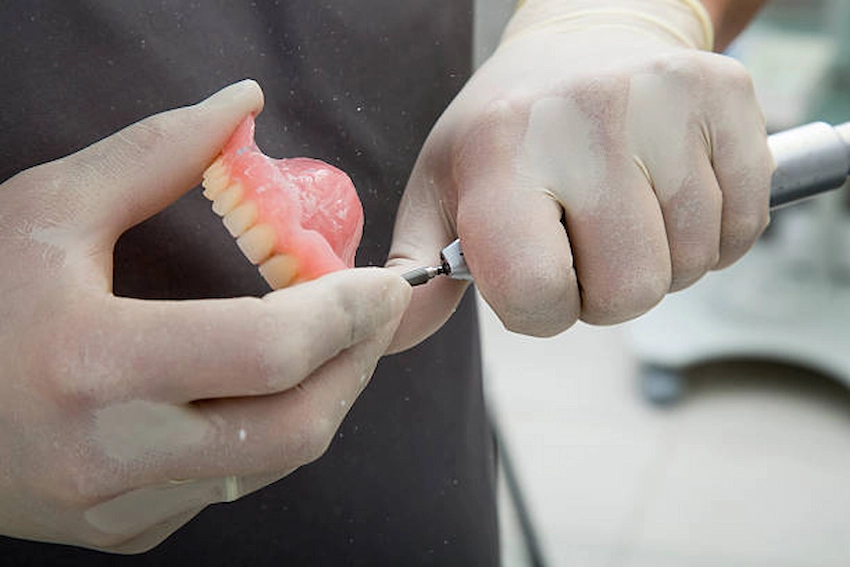
Клей для протезів: причина синусових проблем?
Зубний клей рідко викликає проблеми з пазухами, але подразнення або погана фіксація протеза можуть спричинити дискомфорт.
У стоматологічному кріслі ми бачимо цю сцену майже щодня. Втомлений і роздратований пацієнт розповідає нам, що його верхній протез просто не тримається. У відчаї він наносить все більше і більше клею для зубних протезів, доки, нарешті, за вилицями не виникає тупий біль. Він триває без перерви. Його ніс залишається закладеним, а дискомфорт на обличчі продовжується. Пацієнт звертається до нас із запитанням: Чи може використання зубного клею насправді бути причиною моїх проблем із пазухами? Це дещо міф. Сам клей не потрапляє безпосередньо в пазухи. Проте, якщо ми уважно розглянемо процеси, що відбуваються під яснами, ми зрозуміємо, що фактори, які змушують вас використовувати більше пасти, насправді є основною причиною вашої проблеми з пазухами. Крім того, інгредієнти, що використовуються в пасті, суттєво впливатимуть на ваше здоров'я. Поєднання факторів – таких як тонкий шар м'яких тканин і дуже сильна сила, що утримує протез – все це сприятиме виникненню або погіршенню проблеми.Розуміння, чому зубний протез постійно випадає
Прихована небезпека: Цинк і пошкодження нервів
Якщо ви належите до тих, хто регулярно покладається на зубний клей, ви, швидше за все, знаєте про один із поширених інгредієнтів. Більшість магазинних зубних клеїв на ринку виготовляються зі значною кількістю доданого цинку, щоб збільшити силу фіксації продукту. Однак, коли протез не прилягає належним чином, пацієнтам доводиться використовувати набагато більшу дозу продукту; отже, вони щодня його ковтають. Надмірне споживання цинку може виснажувати запаси міді у вашому організмі. У довгостроковій перспективі саме дефіцит міді викликає неврологічні симптоми, такі як оніміння, поколювання та головний біль. Це дуже тонкі ознаки порушення роботи нервів, про які мало хто здогадується. Іноді постраждалі люди вважають, що це симптоми тиску в пазухах. Це лише дуже розчарує людину її станом здоров'я і навіть затримає отримання необхідної допомоги. Дуже сумно бачити, скільки людей страждає таким чином і плутає дефіцит цинку із закладеністю пазух.За межами пасти
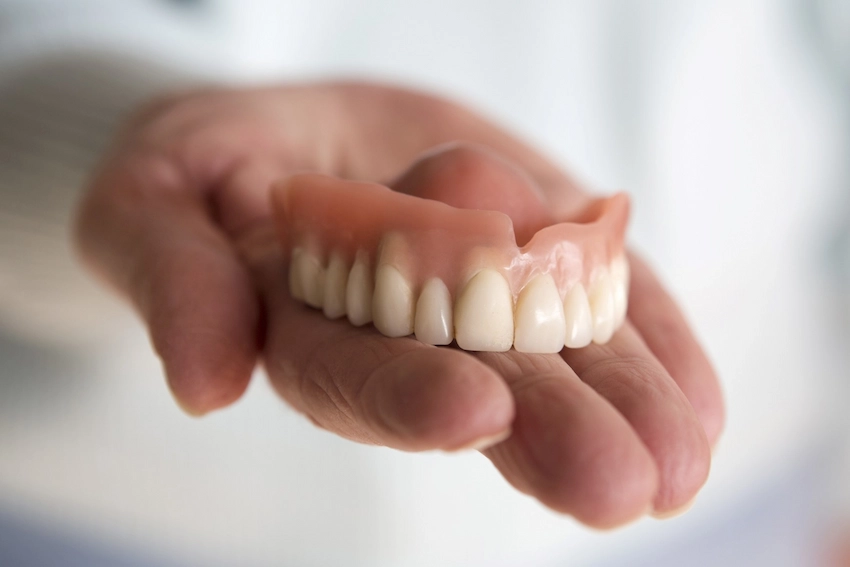
Таблиця: Зубний клей проти альтернатив імплантатів
| Рішення | Профіль ризику для пазух | Збереження кістки | Щоденний догляд |
| Традиційні протези + паста | Високий (подразнення та цинк) | Погане (кістка руйнується) | Брудне щоденне наклеювання |
| Синус-ліфтинг + стандартні імплантати | Низький (відновлює дно пазухи) | Відмінно | Звичайне чищення |
| Зигоматичні імплантати | Дуже низький (обходить пазуху) | Відмінно | Звичайне чищення |
| Системи All-on-4 / All-on-6 | Низький (уникає порожнини пазухи) | Відмінно | Звичайне чищення |
Часті запитання
Академічні посилання
- Al-Omiri, M. K., & Karasneh, J. (2010). Relationship between oral health-related quality of life, satisfaction, and personality in patients with prosthetic rehabilitation. Journal of Prosthodontic Research, 54(4), 166-171.
- Carlsson, G. E. (2014). Responses of jawbone to pressure. Gerodontology, 31(1), 2-7.
- Nations, S. P., Boyer, P. J., Love, L. A., Burritt, M. F., Butz, J. A., Wolfe, G. I., ... & Trivedi, J. R. (2008). Denture cream: an unusual source of excess zinc, leading to hypocupremia and neurologic disease. Neurology, 71(9), 639-643.
- Sharma, A., & Rahul, G. R. (2013). Zygomatic implants—a literature review. Journal of Oral Implantology, 39(2), 215-224.
- Zarb, G. A., Hobkirk, J. A., Eckert, S. E., & Jacob, R. F. (2013). Prosthodontic treatment for edentulous patients: complete dentures and implant-supported prostheses (13th ed.). Elsevier Health Sciences.
Часті запитання
Is it really so dangerous to swallow that small amount of paste from a denture daily?
In the case of my patients, a little bit of zinc-free paste accidentally ending up in the throat is not a problem on a medical level. On the other hand, multiple thick strips every single mouthful of food, however, is definitely risky. The body, after a prolonged time of chemical exposure, will suffer from serious mineral imbalance.
What causes upper jaw discomfort when one chews close to the eyes?
This is definitely an important signal from the body. There is hardly any physical presence of the jawbone under the upper part where it was previously present, so there is no physical resistance to stop the denture. The paper-thin layer of bone, which is left is under the sinus, becomes crushed, which is responsible for the acute pain throughout the cheekbones. The pain can be interpreted as an upper jaw problem, but in fact, it’s the toothless jaw that doesn’t hold the denture anymore,e and the denture keeps crushing the very small piece of bone beneath the sinuses.
Is a loose denture able to cause a direct bacterial infection of the sinus?
Not directly. The hard materials, like the denture acrylic or the adhesive itself, are unable to cause infection from the sinus. But indirectly, sure. The constant pressure from a loose denture will irritate sores on your gums that, very quickly, fill with bacteria, which are only millimeters away from your sinus membrane. Once the bacteria penetrate the sinus membrane, a full-blown, reactive inflammation of your sinuses is just around the corner.
How are Zygomatic implants protecting my sinuses?
We alter the direction when we perform Zygomatic implants at the clinic. Rather than placing the implants directly next to a soft area of the bone that is already very fragile due to the shrinkage of the jaw, we are using implants with an increased length, which completely avoids contact with the sinus and only reach the solid cheekbone. This is an absolutely safe solution.
Is there any time required for a person to switch from the traditional dentures to the implants?
Thanks to the development of the All-on-4 or All-on-6 techniques, it is indeed possible within the span of just a few days to extract old teeth, insert the implants, and finally, deliver a fixed dental prosthesis. Once you leave the dentist's chair, you no longer have an uncovered area on the roof of your mouth, and you never have to open a container containing a single piece of denture adhesive again.