

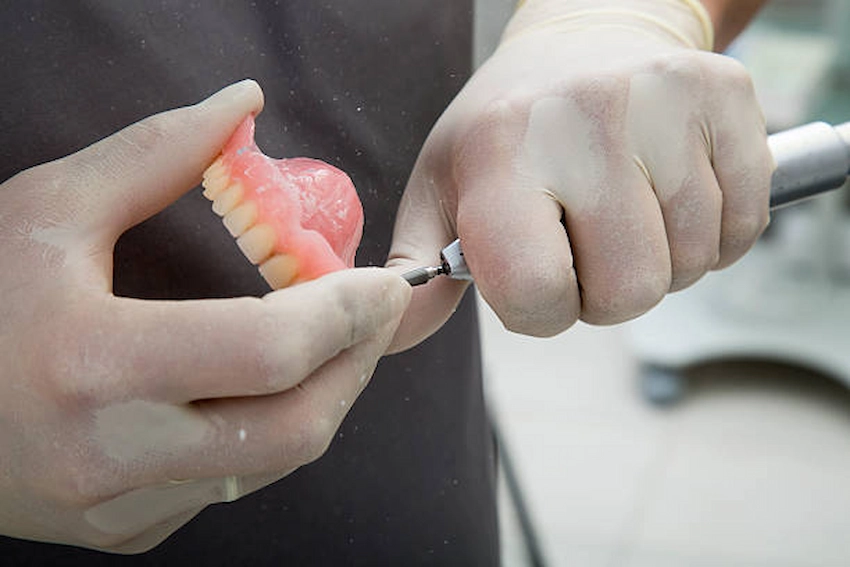
Vai zobu līme izraisa deguna blakusdobumu problēmas?
Protēžu līme reti izraisa deguna blakusdobumu problēmas, taču kairinājums vai slikta protēzes piegulēšana var radīt diskomfortu.
Zobārsta krēslā mēs šo ainu redzam gandrīz katru dienu. Noguris un dusmīgs pacients mums stāsta, ka viņa augšžokļa protēze vienkārši neturas. Izmisumā viņš uzklāj arvien vairāk protēžu līme, līdz beidzot aiz vaigu kauliem attīstās blāvas sāpes. Tās turpinās bez pārtraukuma. Deguns paliek aizlikts, un sejas diskomforts saglabājas. Pacients vēršas pie mums ar jautājumu: Vai protēžu līmes lietošana patiešām varētu būt manu deguna blakusdobumu problēmu cēlonis? Tas ir nedaudz mīts. Pati līme tieši nenonāk deguna blakusdobumā. Tomēr, ja mēs rūpīgi aplūkojam procesus, kas notiek zem smaganām, mēs varam saprast, ka faktori, kas liek jums lietot vairāk pastas, patiesībā ir galvenais jūsu deguna blakusdobumu problēmas cēlonis. Turklāt pastas sastāvdaļas dramatiski ietekmēs jūsu veselību. Faktoru kombinācija – piemēram, plāns mīksto audu slānis un ļoti spēcīgs protēzes noturēšanās spēks – viss veicinās problēmas rašanos vai pasliktināšanos.Izpratne par to, kāpēc protēze turpina izkrist
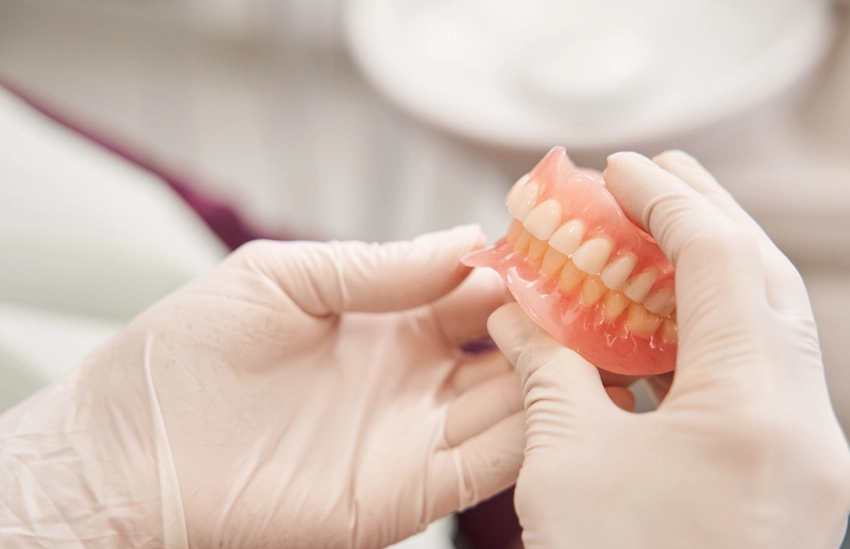
Slēptās briesmas: Cinks un nervu bojājumi
Ja jūs regulāri paļaujaties uz protēžu līmi, visticamāk, esat informēts par vienu no tās biežākajām sastāvdaļām. Lielākā daļa tirgū pieejamo protēžu līmju ir izgatavotas ar ievērojamu cinka daudzumu, lai palielinātu produkta saķeres spēku. Tomēr, ja protēze neder, pacientiem ir jālieto daudz lielāka produkta deva; tāpēc viņi to norij katru dienu. Pārmērīga cinka uzņemšana var iztukšot vara rezerves jūsu organismā. Ilgtermiņā vara deficīts izraisa neiroloģiskus simptomus, piemēram, nejūtīgumu, tirpšanu un galvassāpes. Tās ir ļoti smalkas nervu darbības traucējumu pazīmes, kuras tikai retais apzinās, ka tās notiek ar viņu pašu. Dažkārt skartie cilvēki domā, ka tie ir deguna blakusdobumu spiediena simptomi. Tas tikai ļoti nomāks cilvēku ar viņa veselības stāvokli un pat aizkavēs viņu saņemt nepieciešamo palīdzību. Ir ļoti skumji redzēt, cik daudz cilvēku šādi cieš un jauc cinka deficītu ar deguna blakusdobumu sastrēgumu.Aiz pastas robežām
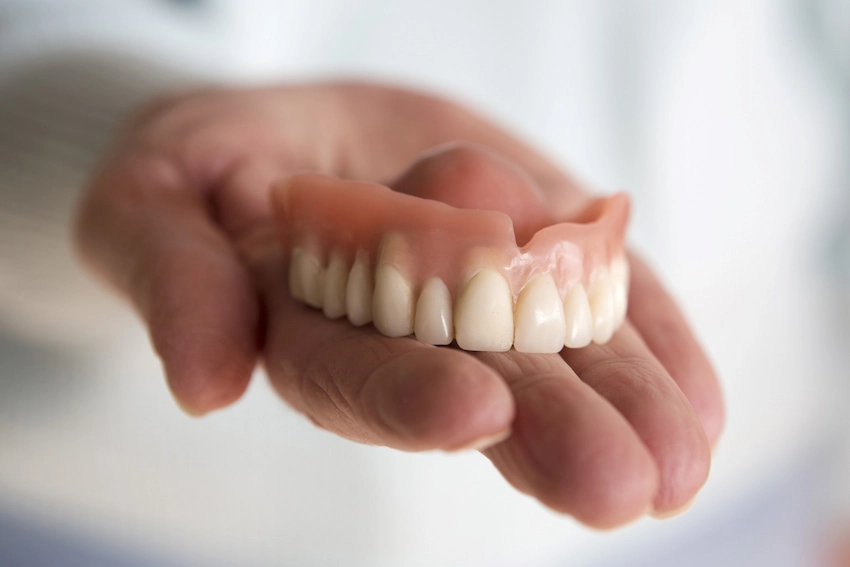
Protēžu līmes un implantu alternatīvu salīdzinājuma tabula
| Risinājums | Deguna blakusdobumu riska profils | Kaulu saglabāšana | Ikdienas kopšana |
| Tradicionālās protēzes + pasta | Augsts (kairinājums un cinks) | Slikta (kauls izzūd) | Netīra ikdienas līmēšana |
| Sinusa lifts + standarta implanti | Zems (atjauno sinusa dibenu) | Izcila | Parasta tīrīšana ar birsti |
| Zigomātiskie implanti | Ļoti zems (apiet sinusu) | Izcila | Parasta tīrīšana ar birsti |
| All-on-4 / All-on-6 sistēmas | Zems (izvairās no sinusa dobuma) | Izcila | Parasta tīrīšana ar birsti |
Biežāk uzdotie jautājumi
Akadēmiskās atsauces
- Al-Omiri, M. K., & Karasneh, J. (2010). Relationship between oral health-related quality of life, satisfaction, and personality in patients with prosthetic rehabilitation. Journal of Prosthodontic Research, 54(4), 166-171.
- Carlsson, G. E. (2014). Responses of jawbone to pressure. Gerodontology, 31(1), 2-7.
- Nations, S. P., Boyer, P. J., Love, L. A., Burritt, M. F., Butz, J. A., Wolfe, G. I., ... & Trivedi, J. R. (2008). Denture cream: an unusual source of excess zinc, leading to hypocupremia and neurologic disease. Neurology, 71(9), 639-643.
- Sharma, A., & Rahul, G. R. (2013). Zygomatic implants—a literature review. Journal of Oral Implantology, 39(2), 215-224.
- Zarb, G. A., Hobkirk, J. A., Eckert, S. E., & Jacob, R. F. (2013). Prosthodontic treatment for edentulous patients: complete dentures and implant-supported prostheses (13th ed.). Elsevier Health Sciences.
Biežāk uzdotie jautājumi
Is it really so dangerous to swallow that small amount of paste from a denture daily?
In the case of my patients, a little bit of zinc-free paste accidentally ending up in the throat is not a problem on a medical level. On the other hand, multiple thick strips every single mouthful of food, however, is definitely risky. The body, after a prolonged time of chemical exposure, will suffer from serious mineral imbalance.
What causes upper jaw discomfort when one chews close to the eyes?
This is definitely an important signal from the body. There is hardly any physical presence of the jawbone under the upper part where it was previously present, so there is no physical resistance to stop the denture. The paper-thin layer of bone, which is left is under the sinus, becomes crushed, which is responsible for the acute pain throughout the cheekbones. The pain can be interpreted as an upper jaw problem, but in fact, it’s the toothless jaw that doesn’t hold the denture anymore,e and the denture keeps crushing the very small piece of bone beneath the sinuses.
Is a loose denture able to cause a direct bacterial infection of the sinus?
Not directly. The hard materials, like the denture acrylic or the adhesive itself, are unable to cause infection from the sinus. But indirectly, sure. The constant pressure from a loose denture will irritate sores on your gums that, very quickly, fill with bacteria, which are only millimeters away from your sinus membrane. Once the bacteria penetrate the sinus membrane, a full-blown, reactive inflammation of your sinuses is just around the corner.
How are Zygomatic implants protecting my sinuses?
We alter the direction when we perform Zygomatic implants at the clinic. Rather than placing the implants directly next to a soft area of the bone that is already very fragile due to the shrinkage of the jaw, we are using implants with an increased length, which completely avoids contact with the sinus and only reach the solid cheekbone. This is an absolutely safe solution.
Is there any time required for a person to switch from the traditional dentures to the implants?
Thanks to the development of the All-on-4 or All-on-6 techniques, it is indeed possible within the span of just a few days to extract old teeth, insert the implants, and finally, deliver a fixed dental prosthesis. Once you leave the dentist's chair, you no longer have an uncovered area on the roof of your mouth, and you never have to open a container containing a single piece of denture adhesive again.