

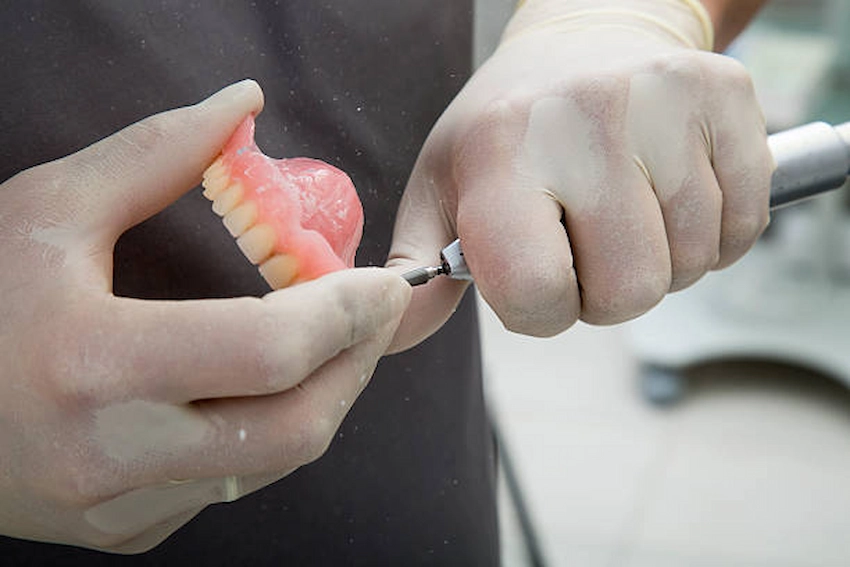
Paslėptas ryšys: Dantų klijai ir sinusų problemos?
Protezų klijai retai sukelia sinusų problemų, tačiau dirginimas arba prastas protezo prigludimas gali sukelti diskomfortą.
Dantų gydytojo kėdėje šią sceną matome beveik kasdien. Išsekęs ir piktas pacientas mums pasakoja, kad jo viršutinis protezas tiesiog negali laikytis. Apimti nevilties, jie tepa vis daugiau ir daugiau protezų klijai, kol galiausiai, už skruostikaulių, pajunta buką skausmą. Jis tęsiasi be perstojo. Jų nosis lieka užblokuota, o veido diskomfortas tęsiasi. Pacientas kreipiasi į mus su klausimu: Ar protezų klijų naudojimas iš tiesų gali būti mano sinusų problemų priežastis? Tai yra tam tikras mitas. Patys klijai tiesiogiai nepatenka į sinusą. Nepaisant to, atidžiai pažvelgus į procesus, vykstančius po dantenomis, galime suprasti, kad veiksniai, verčiantys jus naudoti daugiau pastos, iš tikrųjų yra pagrindinė jūsų sinusų problemos priežastis. Be to, pastoje naudojami ingredientai dramatiškai paveiks jūsų sveikatą. Veiksnių derinys – pavyzdžiui, plonas minkštųjų audinių sluoksnis ir labai stipri protezo laikymosi jėga – prisidės prie problemos atsiradimo arba pablogėjimo.Supratimas, kodėl protezas nuolat iškrenta
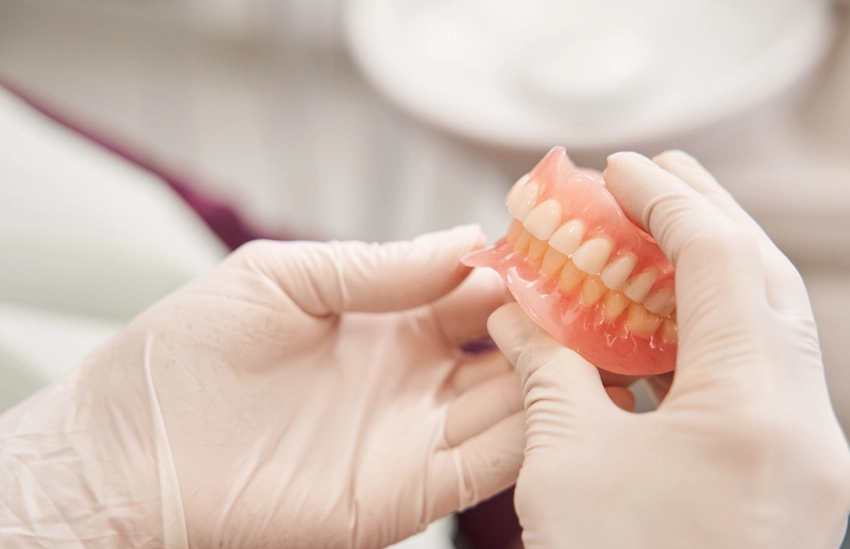
Paslėptas pavojus: cinkas ir nervų pažeidimas
Jei esate vienas iš tų, kurie reguliariai naudoja protezų klijus, greičiausiai žinote apie vieną iš dažniausių ingredientų. Dauguma rinkoje esančių protezų klijų yra pagaminti su dideliu kiekiu cinko, kad padidėtų produkto sukibimo jėga. Tačiau, kai protezas netinkamai priglunda, pacientai turi naudoti daug didesnę produkto dozę; todėl jie jį kasdien nuryja. Per didelis cinko vartojimas gali išeikvoti varį jūsų organizme. Ilgainiui vario trūkumas sukelia neurologinius simptomus, tokius kaip tirpimas, dilgčiojimas ir galvos skausmas. Tai labai subtilūs nervų funkcijos sutrikimo požymiai, kuriuos retas supranta, kad jiems tai vyksta. Kartais paveikti žmonės mano, kad tai yra sinusų spaudimo simptomai. Tai tik dar labiau nuvils žmogų dėl jo sveikatos būklės ir net atidės reikalingos pagalbos gavimą. Labai liūdna matyti, kiek daug žmonių taip kenčia ir painioja cinko trūkumą su sinusų užgulimu.Už pastos ribų
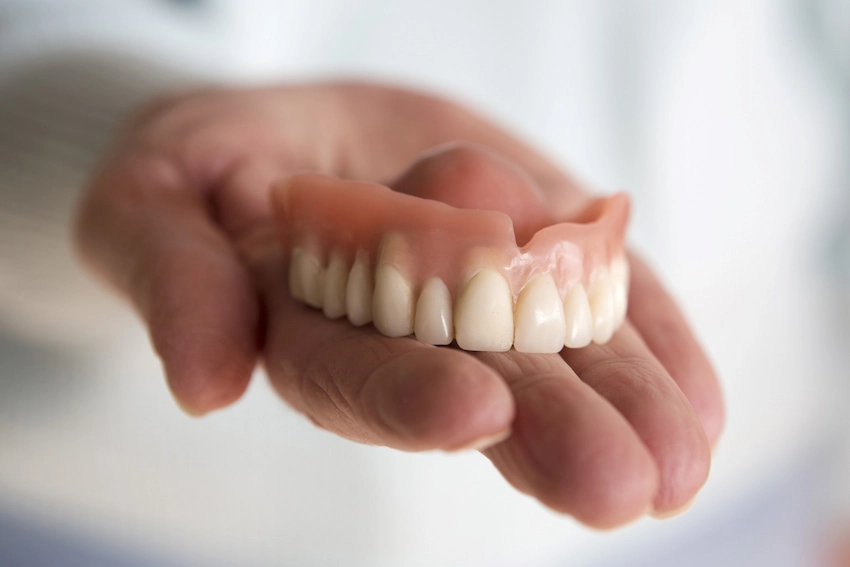
Protezų klijų ir implantų alternatyvų palyginimo lentelė
| Sprendimas | Sinusų rizikos profilis | Kaulo išsaugojimas | Kasdienė priežiūra |
| Tradiciniai protezai + klijai | Didelė (dirginimas ir cinkas) | Prasta (kaulas nyksta) | Nešvarus kasdienis klijavimas |
| Sinuso pakėlimas + standartiniai implantai | Maža (atkuria sinuso dugną) | Puiki | Įprastas valymas |
| Zigomatiniai implantai | Labai maža (apeina sinusą) | Puiki | Įprastas valymas |
| „All-on-4“ / „All-on-6“ sistemos | Maža (vengia sinuso ertmės) | Puiki | Įprastas valymas |
Dažnai užduodami klausimai
Mokslinės nuorodos
- Al-Omiri, M. K., & Karasneh, J. (2010). Relationship between oral health-related quality of life, satisfaction, and personality in patients with prosthetic rehabilitation. Journal of Prosthodontic Research, 54(4), 166-171.
- Carlsson, G. E. (2014). Responses of jawbone to pressure. Gerodontology, 31(1), 2-7.
- Nations, S. P., Boyer, P. J., Love, L. A., Burritt, M. F., Butz, J. A., Wolfe, G. I., ... & Trivedi, J. R. (2008). Denture cream: an unusual source of excess zinc, leading to hypocupremia and neurologic disease. Neurology, 71(9), 639-643.
- Sharma, A., & Rahul, G. R. (2013). Zygomatic implants—a literature review. Journal of Oral Implantology, 39(2), 215-224.
- Zarb, G. A., Hobkirk, J. A., Eckert, S. E., & Jacob, R. F. (2013). Prosthodontic treatment for edentulous patients: complete dentures and implant-supported prostheses (13th ed.). Elsevier Health Sciences.
Dažniausiai užduodami klausimai
Is it really so dangerous to swallow that small amount of paste from a denture daily?
In the case of my patients, a little bit of zinc-free paste accidentally ending up in the throat is not a problem on a medical level. On the other hand, multiple thick strips every single mouthful of food, however, is definitely risky. The body, after a prolonged time of chemical exposure, will suffer from serious mineral imbalance.
What causes upper jaw discomfort when one chews close to the eyes?
This is definitely an important signal from the body. There is hardly any physical presence of the jawbone under the upper part where it was previously present, so there is no physical resistance to stop the denture. The paper-thin layer of bone, which is left is under the sinus, becomes crushed, which is responsible for the acute pain throughout the cheekbones. The pain can be interpreted as an upper jaw problem, but in fact, it’s the toothless jaw that doesn’t hold the denture anymore,e and the denture keeps crushing the very small piece of bone beneath the sinuses.
Is a loose denture able to cause a direct bacterial infection of the sinus?
Not directly. The hard materials, like the denture acrylic or the adhesive itself, are unable to cause infection from the sinus. But indirectly, sure. The constant pressure from a loose denture will irritate sores on your gums that, very quickly, fill with bacteria, which are only millimeters away from your sinus membrane. Once the bacteria penetrate the sinus membrane, a full-blown, reactive inflammation of your sinuses is just around the corner.
How are Zygomatic implants protecting my sinuses?
We alter the direction when we perform Zygomatic implants at the clinic. Rather than placing the implants directly next to a soft area of the bone that is already very fragile due to the shrinkage of the jaw, we are using implants with an increased length, which completely avoids contact with the sinus and only reach the solid cheekbone. This is an absolutely safe solution.
Is there any time required for a person to switch from the traditional dentures to the implants?
Thanks to the development of the All-on-4 or All-on-6 techniques, it is indeed possible within the span of just a few days to extract old teeth, insert the implants, and finally, deliver a fixed dental prosthesis. Once you leave the dentist's chair, you no longer have an uncovered area on the roof of your mouth, and you never have to open a container containing a single piece of denture adhesive again.