

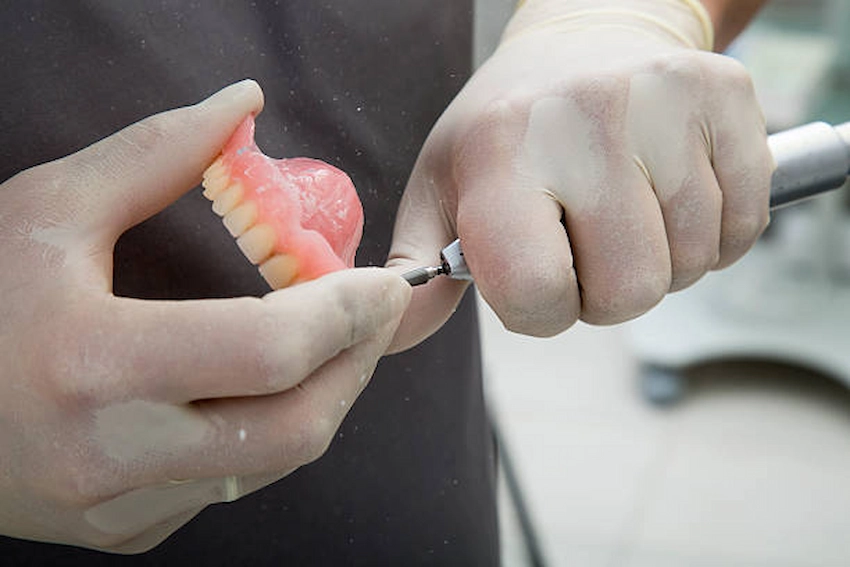
L'adesivo per dentiere può causare problemi ai seni paranasali?
L'adesivo per protesi raramente causa problemi ai seni paranasali, ma irritazione o una scarsa aderenza della protesi possono creare disagio.
Sulla poltrona del dentista, assistiamo a questa scena quasi quotidianamente. Un paziente stanco e arrabbiato ci racconta che la sua protesi superiore non riesce proprio a rimanere in posizione. In un impeto di disperazione, applica sempre più adesivo per protesi dentarie finché, finalmente, dietro gli zigomi, sviluppa un dolore sordo. Questo continua senza sosta. Il suo naso rimane bloccato e il disagio facciale persiste. Il paziente ci pone la domanda: l'uso della colla per protesi potrebbe effettivamente essere la causa dei suoi problemi ai seni paranasali? Questo è un po' un mito. La colla stessa non viaggia direttamente nel seno. Tuttavia, se osserviamo attentamente i processi che avvengono sotto la gengiva, possiamo renderci conto che i fattori che ti spingono a usare più pasta sono in realtà una causa importante del tuo problema ai seni paranasali. Inoltre, gli ingredienti utilizzati nella pasta influenzeranno drasticamente la tua salute. La combinazione di fattori – come uno strato sottile di tessuto molle e una forza molto elevata della protesi per rimanere in posizione – contribuirà alla creazione o al peggioramento del problema.Capire perché una protesi continua a staccarsi
Un pericolo nascosto: zinco e danni ai nervi
Se sei una delle persone che si affidano regolarmente all'adesivo per protesi, molto probabilmente sei a conoscenza di uno degli ingredienti comuni. La maggior parte delle colle per protesi in commercio sono state prodotte con notevoli quantità di zinco aggiunte per aumentare il potere adesivo del prodotto. Tuttavia, quando la protesi non si adatta, i pazienti devono usare una dose molto maggiore del prodotto; pertanto, lo ingeriscono quotidianamente. Un'eccessiva assunzione di zinco può esaurire il rame nel tuo corpo. A lungo termine, è una carenza di rame che causa sintomi neurologici come intorpidimento, formicolio e mal di testa. Questi sono segni molto sottili di malfunzionamento nervoso che pochissimi si rendono conto di avere. A volte, le persone colpite pensano che questi siano sintomi di pressione sinusale. Ciò non farà altro che frustrare molto una persona riguardo alla sua condizione di salute e persino ritardare l'ottenimento dell'aiuto di cui ha bisogno. È molto triste vedere il numero di persone che soffrono in questo modo e scambiano la carenza di zinco per congestione sinusale.Oltre la pasta
La tabella comparativa: adesivo per protesi vs. alternative implantari
| Soluzione | Profilo di Rischio per i Seni | Preservazione Ossea | Cura Quotidiana |
| Protesi Tradizionali + Pasta | Alto (Irritazione e Zinco) | Scarsa (L'osso si riassorbe) | Applicazione quotidiana disordinata |
| Rialzo del Seno + Impianti Standard | Basso (Ricostruisce il pavimento del seno) | Eccellente | Normale spazzolamento |
| Impianti Zigomatici | Molto Basso (Bypassa il seno) | Eccellente | Normale spazzolamento |
| Sistemi All-on-4 / All-on-6 | Basso (Evita la cavità del seno) | Eccellente | Normale spazzolamento |
Domande Frequenti
Riferimenti Accademici
- Al-Omiri, M. K., & Karasneh, J. (2010). Relationship between oral health-related quality of life, satisfaction, and personality in patients with prosthetic rehabilitation. Journal of Prosthodontic Research, 54(4), 166-171.
- Carlsson, G. E. (2014). Responses of jawbone to pressure. Gerodontology, 31(1), 2-7.
- Nations, S. P., Boyer, P. J., Love, L. A., Burritt, M. F., Butz, J. A., Wolfe, G. I., ... & Trivedi, J. R. (2008). Denture cream: an unusual source of excess zinc, leading to hypocupremia and neurologic disease. Neurology, 71(9), 639-643.
- Sharma, A., & Rahul, G. R. (2013). Zygomatic implants—a literature review. Journal of Oral Implantology, 39(2), 215-224.
- Zarb, G. A., Hobkirk, J. A., Eckert, S. E., & Jacob, R. F. (2013). Prosthodontic treatment for edentulous patients: complete dentures and implant-supported prostheses (13th ed.). Elsevier Health Sciences.
Domande frequenti
Is it really so dangerous to swallow that small amount of paste from a denture daily?
In the case of my patients, a little bit of zinc-free paste accidentally ending up in the throat is not a problem on a medical level. On the other hand, multiple thick strips every single mouthful of food, however, is definitely risky. The body, after a prolonged time of chemical exposure, will suffer from serious mineral imbalance.
What causes upper jaw discomfort when one chews close to the eyes?
This is definitely an important signal from the body. There is hardly any physical presence of the jawbone under the upper part where it was previously present, so there is no physical resistance to stop the denture. The paper-thin layer of bone, which is left is under the sinus, becomes crushed, which is responsible for the acute pain throughout the cheekbones. The pain can be interpreted as an upper jaw problem, but in fact, it’s the toothless jaw that doesn’t hold the denture anymore,e and the denture keeps crushing the very small piece of bone beneath the sinuses.
Is a loose denture able to cause a direct bacterial infection of the sinus?
Not directly. The hard materials, like the denture acrylic or the adhesive itself, are unable to cause infection from the sinus. But indirectly, sure. The constant pressure from a loose denture will irritate sores on your gums that, very quickly, fill with bacteria, which are only millimeters away from your sinus membrane. Once the bacteria penetrate the sinus membrane, a full-blown, reactive inflammation of your sinuses is just around the corner.
How are Zygomatic implants protecting my sinuses?
We alter the direction when we perform Zygomatic implants at the clinic. Rather than placing the implants directly next to a soft area of the bone that is already very fragile due to the shrinkage of the jaw, we are using implants with an increased length, which completely avoids contact with the sinus and only reach the solid cheekbone. This is an absolutely safe solution.
Is there any time required for a person to switch from the traditional dentures to the implants?
Thanks to the development of the All-on-4 or All-on-6 techniques, it is indeed possible within the span of just a few days to extract old teeth, insert the implants, and finally, deliver a fixed dental prosthesis. Once you leave the dentist's chair, you no longer have an uncovered area on the roof of your mouth, and you never have to open a container containing a single piece of denture adhesive again.