

Klej do protez a zatoki: Ukryte powiązanie?
Klej do protez rzadko powoduje problemy z zatokami, ale podrażnienie lub złe dopasowanie protezy może wywołać dyskomfort.
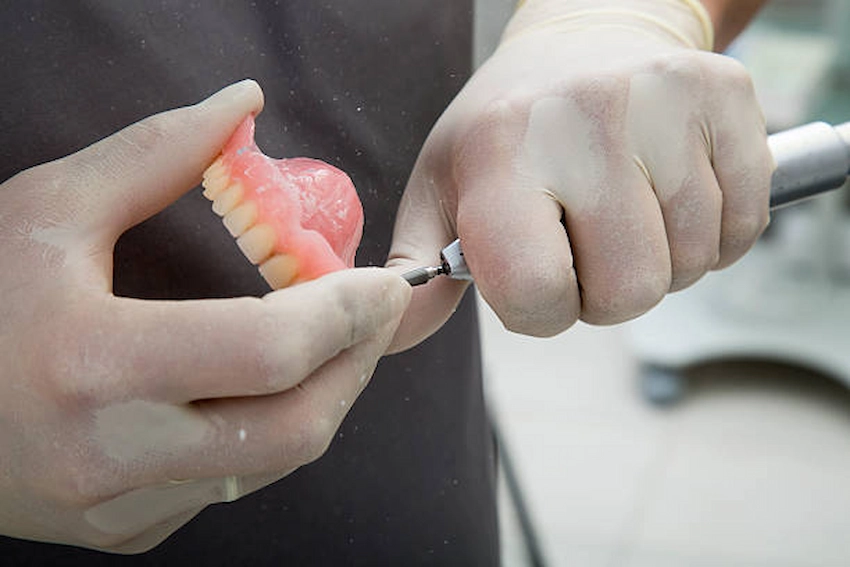
W gabinecie stomatologicznym widzimy tę scenę niemal codziennie. Zmęczony i zdenerwowany pacjent mówi nam, że jego górna proteza po prostu nie chce się trzymać. W akcie desperacji nakłada coraz więcej kleju do protez, aż w końcu, za kośćmi policzkowymi, pojawia się tępy ból. Trwa on bez przerwy. Nos pozostaje zablokowany, a dyskomfort na twarzy utrzymuje się. Pacjent zadaje nam pytanie: Czy użycie kleju do protez może być faktycznie przyczyną moich problemów z zatokami? To trochę mit. Sam klej nie przedostaje się bezpośrednio do zatok. Niemniej jednak, jeśli dokładnie przyjrzymy się procesom zachodzącym pod dziąsłem, możemy zdać sobie sprawę, że czynniki, które zmuszają do używania większej ilości pasty, są w rzeczywistości główną przyczyną problemów z zatokami. Ponadto składniki używane w paście znacząco wpłyną na Twoje zdrowie. Połączenie czynników – takich jak cienka warstwa tkanek miękkich i bardzo silna siła, z jaką proteza ma się trzymać – będzie sprzyjać powstawaniu lub pogarszaniu się problemu.Zrozumienie, dlaczego proteza ciągle wypada
Ukryte niebezpieczeństwo: Cynk i uszkodzenie nerwów
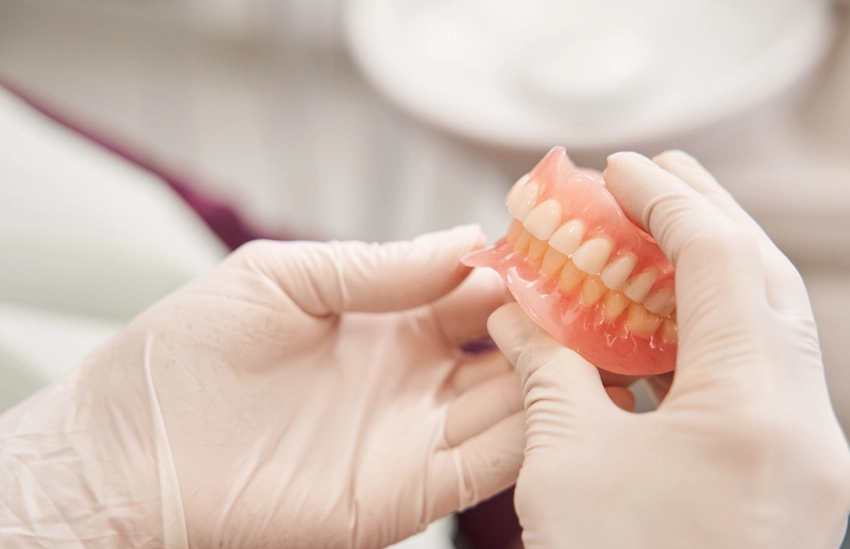
Jeśli należysz do osób regularnie polegających na kleju do protez, najprawdopodobniej znasz jeden z jego powszechnych składników. Większość dostępnych na rynku klejów do protez zawiera znaczne ilości cynku, dodawanego w celu zwiększenia siły mocowania produktu. Jednak gdy proteza nie pasuje, pacjenci muszą używać znacznie większych dawek produktu; dlatego połykają go codziennie. Nadmierne spożycie cynku może prowadzić do wyczerpania miedzi w organizmie. W dłuższej perspektywie to niedobór miedzi powoduje objawy neurologiczne, takie jak drętwienie, mrowienie i bóle głowy. Są to bardzo subtelne oznaki dysfunkcji nerwów, które niewielu ludzi u siebie zauważa. Czasami osoby dotknięte tym problemem myślą, że są to objawy ucisku w zatokach. To tylko frustruje osobę w związku z jej stanem zdrowia, a nawet opóźnia uzyskanie potrzebnej pomocy. Bardzo smutno jest widzieć, ile osób cierpi w ten sposób i myli niedobór cynku z zatkaniem zatok.Poza pastą
Tabela porównawcza kleju do protez a alternatyw implantów
| Rozwiązanie | Profil ryzyka zatok | Zachowanie kości | Codzienna pielęgnacja |
| Tradycyjne protezy + klej | Wysokie (podrażnienie i cynk) | Słabe (kość zanika) | Uciążliwe codzienne klejenie |
| Podniesienie zatoki + standardowe implanty | Niskie (odbudowuje dno zatoki) | Doskonałe | Normalne szczotkowanie |
| Implanty jarzmowe | Bardzo niskie (omija zatoki) | Doskonałe | Normalne szczotkowanie |
| Systemy All-on-4 / All-on-6 | Niskie (omija jamę zatokową) | Doskonałe | Normalne szczotkowanie |
Często zadawane pytania
Literatura akademicka
- Al-Omiri, M. K., & Karasneh, J. (2010). Relationship between oral health-related quality of life, satisfaction, and personality in patients with prosthetic rehabilitation. Journal of Prosthodontic Research, 54(4), 166-171.
- Carlsson, G. E. (2014). Responses of jawbone to pressure. Gerodontology, 31(1), 2-7.
- Nations, S. P., Boyer, P. J., Love, L. A., Burritt, M. F., Butz, J. A., Wolfe, G. I., ... & Trivedi, J. R. (2008). Denture cream: an unusual source of excess zinc, leading to hypocupremia and neurologic disease. Neurology, 71(9), 639-643.
- Sharma, A., & Rahul, G. R. (2013). Zygomatic implants—a literature review. Journal of Oral Implantology, 39(2), 215-224.
- Zarb, G. A., Hobkirk, J. A., Eckert, S. E., & Jacob, R. F. (2013). Prosthodontic treatment for edentulous patients: complete dentures and implant-supported prostheses (13th ed.). Elsevier Health Sciences.
Pytania pacjentów
Is it really so dangerous to swallow that small amount of paste from a denture daily?
In the case of my patients, a little bit of zinc-free paste accidentally ending up in the throat is not a problem on a medical level. On the other hand, multiple thick strips every single mouthful of food, however, is definitely risky. The body, after a prolonged time of chemical exposure, will suffer from serious mineral imbalance.
What causes upper jaw discomfort when one chews close to the eyes?
This is definitely an important signal from the body. There is hardly any physical presence of the jawbone under the upper part where it was previously present, so there is no physical resistance to stop the denture. The paper-thin layer of bone, which is left is under the sinus, becomes crushed, which is responsible for the acute pain throughout the cheekbones. The pain can be interpreted as an upper jaw problem, but in fact, it’s the toothless jaw that doesn’t hold the denture anymore,e and the denture keeps crushing the very small piece of bone beneath the sinuses.
Is a loose denture able to cause a direct bacterial infection of the sinus?
Not directly. The hard materials, like the denture acrylic or the adhesive itself, are unable to cause infection from the sinus. But indirectly, sure. The constant pressure from a loose denture will irritate sores on your gums that, very quickly, fill with bacteria, which are only millimeters away from your sinus membrane. Once the bacteria penetrate the sinus membrane, a full-blown, reactive inflammation of your sinuses is just around the corner.
How are Zygomatic implants protecting my sinuses?
We alter the direction when we perform Zygomatic implants at the clinic. Rather than placing the implants directly next to a soft area of the bone that is already very fragile due to the shrinkage of the jaw, we are using implants with an increased length, which completely avoids contact with the sinus and only reach the solid cheekbone. This is an absolutely safe solution.
Is there any time required for a person to switch from the traditional dentures to the implants?
Thanks to the development of the All-on-4 or All-on-6 techniques, it is indeed possible within the span of just a few days to extract old teeth, insert the implants, and finally, deliver a fixed dental prosthesis. Once you leave the dentist's chair, you no longer have an uncovered area on the roof of your mouth, and you never have to open a container containing a single piece of denture adhesive again.