


Chewing gum for teeth is one of the most common habits of people. People do it to freshen their breath, relieve stress, or simply as a substitute for food. Anyway, is it beneficial for the teeth? It depends on the type of chewing gum you have. Gums without sugar may become your friends in the long run as far as good mouth hygiene is concerned.
However, there is a wide variety of gums, and you must pay attention not to resort to those ones that may lead to caries but help you to maintain hygiene and also fight the formation of cavities.
In this article, we will discuss the advantages of chewing gum for teeth as well as the science behind it, the best kinds of gum for dental use, and hints on how to place gum seamlessly into your teeth-care routine without jeopardizing your dental health.
How Does Chewing Gum Affect Your Teeth?
Chewing gum for teeth can be a real helper for good oral health, though it is essential to use the correct gum. When you do so, gum helps you secrete saliva which is the body’s first line of defense in retaining a healthy mouth. Saliva neutralizes acids that attack enamel, cleans the mouth, and makes teeth less prone to decay.
The ways in which chomping gum supplies with freshers for teeth:
- Stimulates Saliva Production: Saliva is the mouth’s first line of defense against plaque and cariogenic bacteria and acids. The production of the saliva is facilitated with the help of gum. The mouth stays protected against acids through saliva, and it is also cleansed as the saliva is secreted.
- Reduces Plaque and Cavities: The saliva that is produced in excess is the one that carries out food particles and plaque along with the surfaces of your teeth. Thereby, a person is less likely to get cavities and the bad breath is eliminated at the same time.
The Best Types of Gum for Your Teeth
When people decide to use chewing gum for teeth, they are not all equally effective. The main factor is related to the question of whether the gum contains sugar. Regular gum that has sugar can be a reason for tooth decay, as the bacteria in the sugar supply in our mouth that produce acids, which are the root cause of the decay. On the other hand, sugar-free gum can be a source of several good effects on oral health.
Sugar-Free Gum and Its Benefits
Sugar-free gum is the most suitable choice if a person wants to save his/her teeth and at the same time, enjoys chewing gum for teeth. Generally, sweeteners such as xylitol or sorbitol are used to sweeten the gum and they don’t cause caries. The reasons for which people choose sugar-free gum are:
- Reduces the Risk of Cavities: As we have mentioned, sugar-free gum does not provide bacteria with the nutrients they require, instead of forcing them to die, so the risk of tooth decay gets lower.
- Helps Strengthen Enamel: The use of sugar-free gum is followed by considerable saliva flow which helps acid neutralization and remineralization, thus strengthening tooth enamel.
- Improves Gum Health: The act of chewing sugar-free gum helps the cleaning process of the gums and also encourages the growth of healthier oral tissues as it increases the blood circulation in the gum area.
Gum with Xylitol: The Ultimate Teeth Protector
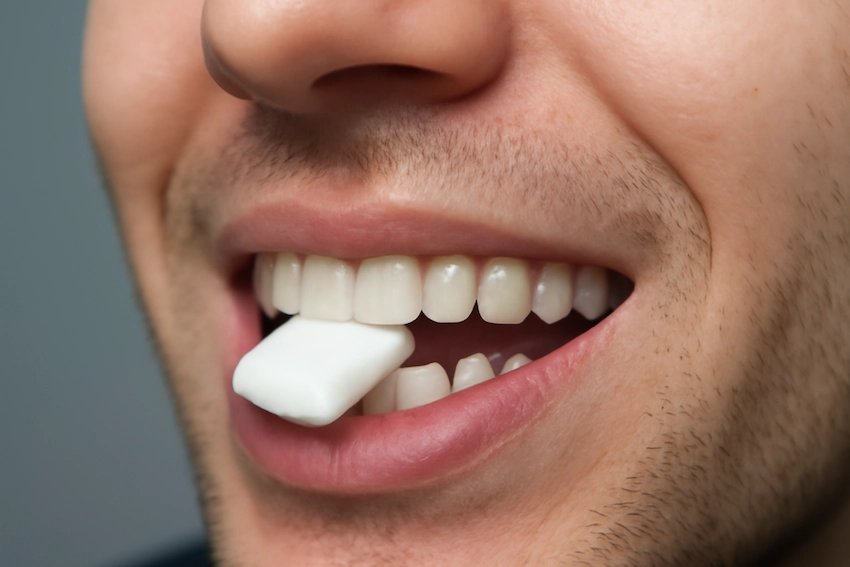
Xylitol is one of the most appealing elements of sugar-free gum. Xylitol is an all-natural sugar alcohol which is said to lower bacteria levels in the mouth, more specifically the bacteria that cause cavities. Chewing gum for teeth with xylitol has a number of benefits to the dental health:
- It acts to decrease the formation of plaque and cavities.
- On the basis of research, xylitol is associated with the change of gum condition by reducing the gum inflammation and bleeding.
- The regular use of xylitol gum can make the denture carry risk to be diminished to the largest extent.
How Does Chewing Gum Help with Dry Mouth?
Could it be that chewing gum for teeth is good for the teeth in that case? Certainly! The secretion of saliva is stimulated by chewing sugar-free gum which in turn helps to relieve dry mouth and to maintain oral health.
- Removing the food particles.
- Acid neutralization that leads to enamel erosion is carried out.
- By making the process of digestion easier through saliva production.
In the event of dry mouth, sugarless gum may appear as a simple, cheap, and effective solution.
When Chewing Gum Might Hurt Your Teeth?
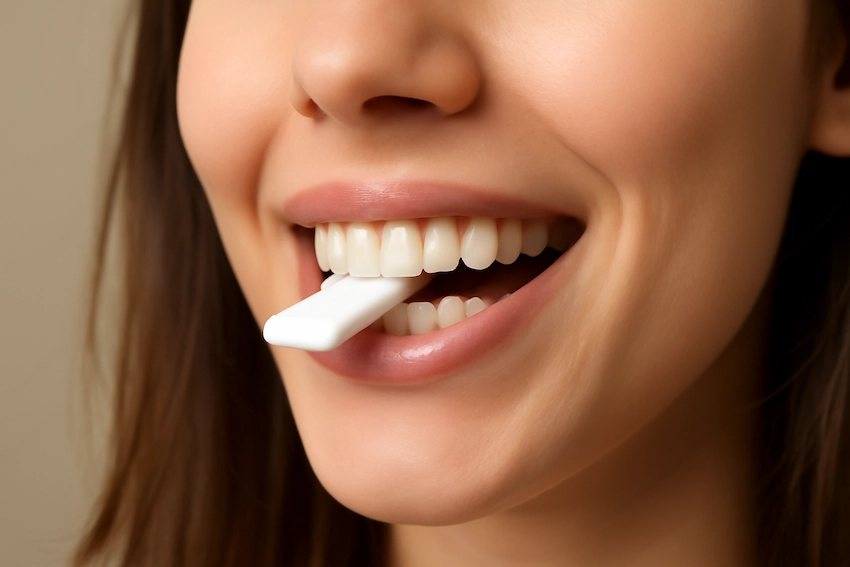
It is true that the benefits of the gum do not exclude the potential disadvantages. However, gum chewing is harmful when:
- Chewing Sugared Gum: Sugar-filled gums are like small sugar granules that dissolve in the mouth thus the whole mouth becomes a factory of sugar bacteria which in turn causes cavities and periodontal diseases in the mouth.
- Overchewing: Over-chewing apart from the fact that it may cause damage to jaw muscles can also lead to temporomandibular joint (TMJ) disorders. Also, if you happen to rub your gums so hard while chewing, gum irritation will be the result.
- Sticky Gum: In addition to the fact that gum that sticks to dental appliances such as braces, retainers, or dentures can break these devices, it also makes cleaning them difficult.
If you always opted for sugar-free chewing gum for teeth and, at the same time, tried not to overuse it, oral hygiene would be perfect.
FAQ About Chewing Gum for Your Teeth
Though chewing gum has been shown to have some benefits for oral hygiene.
Chewing gum that contains sugar is a very harmful thing to the teeth as sugar encourages the growth of bacteria that leads to the decay of the teeth. Because of the sticky nature of sugar, they do not wash off quickly and hence the teeth are exposed to the destructive microbes for a longer period of time.
When it comes to combating nasty little cavities antagonizing your enamel, it is of great importance and advised to chew sugar-free gum and particularly xylitol-containing ones.
If you have braces, it is strongly recommended that you avoid chewing gum particularly gummy candy or any type of chewable item that could become problems for your braces, damage them.
Having properly fitted dentures can significantly improve the quality of life to those older adults and people who cannot have teeth as a result of disease or some trauma.
References:
American Dental Association. (2023). Chewing gum and oral health. Retrieved from https://www.ada.org/resources
Mayo Clinic. (2022). Chewing gum: Benefits for your teeth and gums. Retrieved from https://www.mayoclinic.org
WebMD. (2021). The effects of chewing gum on your teeth. Retrieved fromhttps://www.webmd.com/oral-health
Colgate. (2022). How chewing gum can protect your teeth.

