


Periodontal disease, known as gum disease is the major cause of loss of teeth in adults all over the world. It can develop to periodontitis if the infection from the inflamed gums spreads to the bone and the tissues surrounding the teeth. Patients at the Lema Dental Clinic in Istanbul are always made aware that gum disease is a dental issue initially but later becomes a problem of overall health with links to diabetes, heart diseases, and pregnancy complications.
What Is Gum Disease?
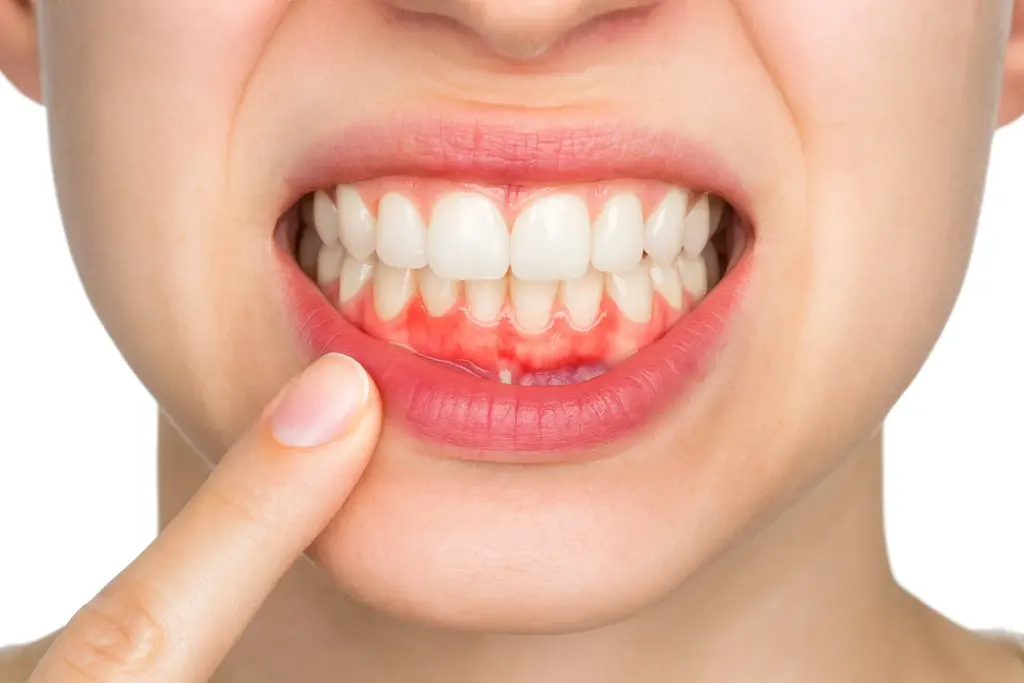
Gum disease is bacterial infection of the gingiva (gums), periodontal ligament, and alveolar bone. It is the result of dental plaque—a biofilm of bacteria that is sticky—getting into the area where the teeth and gums meet. Brushing and flossing usually do not remove plaque. Plaque calcifies and becomes tartar (calculus) which in turn agitates the gum and provides a habitat for the bacteria.
Causes of Gum Disease

- Poor Oral Hygiene – Not brushing and flossing on a regular basis leads to plaque on teeth.
- Tobacco Use – Smoking is one of the major risk factors for gum disease.
- Genetics – Some people have genes that make them prone to gum disease.
- Systemic Conditions – Diabetes, immunodeficiency, and hormonal changes are some of the factors that can increase the risk.
- Stress and Poor Nutrition – These weaken the body’s immune system.
- Bruxism (Teeth Grinding) – Can make the bone around the teeth be lost faster.
- Red, swollen, or sore gums
- Bleeding while brushing or flossing
- Gums that have receded to reveal longer teeth
- Continual bad breath (halitosis)
- Loose or drifting teeth
- Painful chewing
- Pus oozing from between the gums and teeth in severe cases
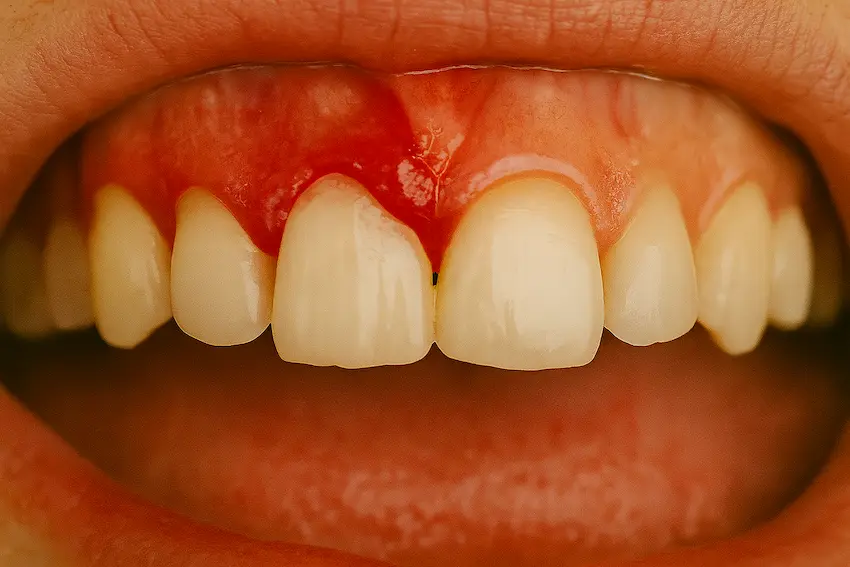
- Gingivitis – Early, reversible instance. Gums look red and swollen, with slight bleeding.
- Mild Periodontitis – Plaque moves below the gumline, the bone starts to decay.
- Moderate Periodontitis – Larger gum pockets set in; bone loss is noticeable.
- Severe Periodontitis – Teeth become loose, painful, and if no action is taken, they may be lost.
Dentists employ multiple approaches for the detection of gum disease:
- Periodontal Probing – Pocket depth measurement between the tooth and gum.
- Dental X-Rays – Looking for bone loss around roots.
- Clinical Examination – Checking the gum color, swelling, and plaque values.
Treatment Options
1. Non-Surgical Treatments
- Scaling and Root Planing (Deep Cleaning) – The removal of plaque and tartar from below the gumline along with root surface standardization.
- Antibiotic Therapy – Application of localized gels or systemic antibiotics for infection control.
- Laser Therapy – Assists in disinfection of gum pockets and facilitates recovery.
2. Surgical Treatments (Advanced Cases)
- Flap Surgery (Pocket Reduction Surgery) – The lifting of the gums to clean tartar deposits and lessen the pocket depth.
- Bone Grafts – Grow back missing bone with the use of natural or synthetic grafting material.
- Soft Tissue Grafts – Gain cover for exposed gums with tissue taken from the roof of the mouth.
- Guided Tissue Regeneration – This procedure allows the growth of both bone and supportive tissues.
Prevention of Gum Disease
- Brush your teeth at least twice a day with a fluoride toothpaste.
- Daily flossing is a must to get rid of plaque in between teeth.
- If your dentist recommends it, use an antibacterial mouthwash.
- Say no to smoking and any kind of tobacco usage.
- Enjoy a nutritious diet loaded with vitamins C and D.
- Every 6 months, go for a dental visit and get a professional cleaning done.
Gum Disease and Overall Health
Scientific studies reveal strong links between gum disease and other ailments of the body:
- Diabetes: Periodontitis makes it difficult to keep blood sugar at a good level.
- Heart Disease: The bacteria that come from the gums may be a cause of the arterial inflammation.
- Pregnancy Risks: This disease is related to premature birth and low birth weight.
- Respiratory Illness: The bacteria of the mouth can be inhaled and can cause infections.
Why Choose Lema Dental Clinic in Istanbul?
Lema Dental Clinic’s clinical periodontists, equipped with advanced diagnostic tools, and using evidence-based therapies, always aim to arrest gum disease and bring back oral health. Patients can avail themselves of:
- Comprehensive periodontal examinations
- Various surgical and non-surgical methods for treating gums
- Programs of prevention tailored towards keeping gums healthy for a long time
- After the control of disease, an aesthetic restoration (veneers, implants, crowns) can be performed.
Gingivitis can be fully reversed, but advanced periodontitis can only be managed, not completely cured.
No—bleeding gums are usually an early sign of gingivitis and require dental attention.
Yes, untreated periodontitis is the leading cause of tooth loss in adults.
It depends on severity; mild cases may improve in weeks, while advanced cases require months of therapy
Yes, but only once gum disease is fully controlled and bone health is stable.
Lifespan and Performance of Veneers: Peumans, M., Van Meerbeek, B., Lambrechts, P., & Vanherle, G. (2000). Porcelain veneers: Clinical performance and failure mechanisms. Journal of Dentistry, 28(3), 163–177. https://doi.org/10.1016/S0300-5712(99)00049-0
Composite vs Porcelain Veneers Durability: Layton, D., & Walton, T. (2012). The clinical survival of porcelain and composite veneers. Dental Update, 39(7), 463–466. https://doi.org/10.12968/denu.2012.39.7.463
Safety and Longevity of Veneers: Burke, F. J. T., & Lucarotti, P. S. (2009). Ten-year outcome of porcelain veneers. Journal of Dentistry, 37(1), 22–29. https://doi.org/10.1016/j.jdent.2008.10.004

