


How is Whitening of Teeth Performed?
One of the most well-known methods of cosmetic dentistry is teeth whitening, which can help patients remove stains and discolorations and make their teeth look bright again. In general, this procedure is performed by applying a whitening gel directly to the teeth, which is very likely to be hydrogen peroxide or carbamide peroxide. The stains that have been both on the surface and under the enamel have been gradually forming for a long time, and are now broken by these solutions.
Normally, an in-office whitening procedure done by professionals like Dentist Polen Akkılıç and her team at Lema Dental Clinic is quite effective and quick as compared to home treatments. Besides, these treatments also often employ modern light or laser technology that facilitates the whitening process, thus, patients get the maximum effect in minimum time.
After whitening, a patient’s tooth sensitivity may be enhanced for a short period of time since the enamel, which is the hardest part of a tooth, has undergone a slight structural change.
Such sensitivity can make the intake of hot, cold, or acidic food unpleasant during the first 48 hours after the procedure. But most of the time, any pain that accompanies the condition is very brief and can be alleviated by taking the necessary precautions.
One cannot refrain from admitting that it is very important to pay attention to the experts’ recommendations, such as those with respect to the diet, in order to protect the teeth that have been recently whitened and to get more of the whitening effect.
Foods and Drinks You Can Consume After Teeth Whitening
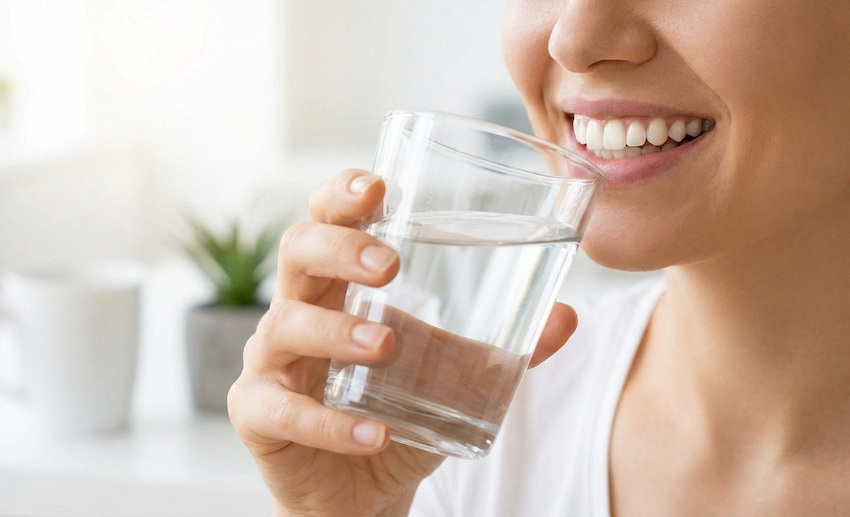
After whitening your teeth, it is very important to concentrate on those foods and drinks that are kind to your teeth and will not reverse the whitening. Here is a list of consumable safe options:
- Water is definitely the most advantageous drink to keep the body hydrated and at the same time; it is the greatest protector of the teeth. Water helps to clean away the food particles and is completely neutral in regard to the teeth.
- Herbal Tea (non-colored): Both chamomile and peppermint teas are safe as they are both cooling and do not have the staining teeth risk.
- Milk: Full of calcium that acts as the enamel’s savior. Apart from that, milk helps to relieve and cool any sensitivity that may result from the whitening process.
- White Rice and Pasta: Soft and light in nature, both are unlikely to cause stains and are easy to consume after whitening.
- Chicken: Choose light-colored meats which are not only good for your teeth, but also contain little or no staining pigments.
- Yogurt: Dairy products like yogurt are not only great for the teeth, but also for enamel remineralization.
- Bananas and Pears: These fruits have a mild color and are very gentle on the teeth while supplying the body with vitamins and minerals.
- Eggs: A soft and neutral food that will not alter the whiteness of your teeth and thus provide protein without any staining risk.
- Cottage Cheese: One more dairy product that is packed with calcium and is good for teeth that have just been whitened.
Tips for a Tooth-Friendly Diet
Maintaining a tooth-friendly diet after whitening will undoubtedly keep the results of your treatment for a longer time and keep the whites of your teeth bright.
To improve oral health, Dentist Polen Akkılıç and her team recommend that one should eat crunchy fruits and vegetables such as apples, carrots, and celery. These products are very helpful because they contribute to saliva secretion which is the main factor in neutralizing acids in the mouth and also in the biological cleaning of the teeth. Saliva is actually the one that is responsible for the remineralization of the enamel layer that may have been temporarily weakened by the whitening process.
In addition to crunchy fruits and vegetables, calcium- and phosphorus-rich products are very important to maintain biologically strong and healthy teeth. Foods high in calcium like cheese, milk, and yogurt can be beneficial to teeth just like calcium-containing leafy greens and nuts because all these foods make the enamel layer less susceptible to bleaching and it gets stained less in the future. Consuming these types of food will be good for your oral health and you will be able to resist the daily wear and tear your teeth will undergo.
Why Should You Take Care of Your Diet After Teeth Whitening?

There is no question that nutrition is the main factor that helps to maintain the whitening effects, notably during the initial days following the procedure.
One of the reasons why after the whitening procedure one should be extra careful with the foods they are eating is the fact that the teeth can become more porous and, thus, easily stained by food and drinks. Therefore, it is very important not to consume any food that will not only result in discomfort because of tooth sensitivity but also in the reversal of the whitening process. Professor Doctor Coşkun Yıldız states that taking a correct diet during this time will be like putting a fence against the enamel and thus one can enjoy their bright dazzling smile for a long time.
On the other hand, a tooth-friendly diet consisting of non-staining foods still takes care of teeth healing and re-mineralization processes in a more efficacious way. It is absolutely healthier and safer to keep away from acetic or dark-colored foods and drinks if one doesn’t want to suffer from more sensitivity or even permanent stains. After your whitening treatment at Lema Dental Clinic, you can be sure that your teeth will be white and healthy if you pay attention to your diet.
What Should One Not Do After Teeth Whitening?
After a whitening of the teeth, one is to a great extent advised to keep from eating or drinking that can re-stain the teeth or even do them some harm. Professor Doctor Coşkun Yıldız suggests not consuming any dark food or drink endorsing coffee, red wine, and tea. The drinks impregnate the teeth with chromogens and tannins, which cause discoloration. Similarly, take strawberries (e.g., blueberries, blackberries) in your diet, and sauces such as soy or tomato-based that can stain your newly brightened teeth in the same way. It is best not to consume any of these products for 48 hours, at least, after the procedure to give the enamel time to calm down and become resistant to staining.
Along with staining foods, acid-containing foods and drinks can cause problems, too. Citrus fruits, tomatoes, and vinegar-based products are very acidic and they can melt the enamel even if only temporarily thus, exposing teeth to further damage and staining. The exclusion of such foods will be the way your teeth get their protection during the indispensable time of the whitening turning into a recovery. It is quite important to observe the food-related regulations in order to maintain the whitening effects for a long time and to feel comfortable.
Foods and Drinks That Stain Teeth
Various foods and beverages may make your teeth lose their whiteness pretty fast, especially if you consume them within the first 48 hours after whitening. To maintain the result, you should avoid these materials:
- Coffee: The teeth staining caused by coffee is basically due to dark pigments and tannins contained in coffee. The scenarios of staining that can be most clearly seen are those in which coffee is consumed right after whitening.
- Tea (black or green): Like coffee, tea has tannins which are responsible for discoloration of teeth over time.
- Red Wine: The wine contains both anthocyanins and tannins. These are the two things that can cause the staining of the teeth.
- Cola and Dark Soft Drinks: These are loaded with a large amount of artificial colorants and acid, and these two can dissolve the enamel and, at the same time, cause the teeth to stain.
- Berries (Blueberries, Blackberries, Pomegranates): You may have these fruits without any side effects or with very few side effects if you consume them in a moderate manner. On the other hand, if you are over-consuming them, highly pigmented dark fruits can cause your teeth to be stained.
- Tomato-Based Sauces: Tomato items like marinara are packed with deep red pigments that can stain the teeth.
- Soy Sauce: A dark, very salty sauce that, if it is used frequently, can cause the areas where it is put to become discolored and stained.
- Balsamic vinegar is quite like soy sauce, so it has the same effect on the enamel and it stains your teeth because it contains dark pigments.
- Curry: The Deep yellow color of curry is, in the first place, the main culprit of stains on the teeth. The most obvious cases of staining are a large consumption of curry.
- Sports Drinks and Energy Drinks: These drinks are mostly heavily colored and sweet, thus making them a major source of the risk for tooth staining.
- Candies with Artificial Dyes: Candies that are brightly colored can be the reason for your teeth losing their whiteness, as they contain artificial dyes which are harmful to teeth.
Different Ways to Make Your Teeth White
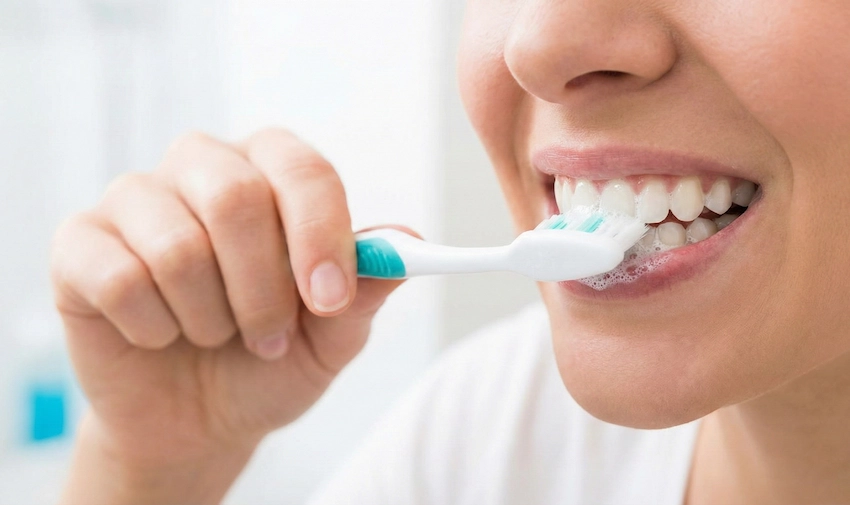
After a whitening treatment, apart from following a tooth-friendly diet, you can keep the white color of your teeth with the help of some other means. Regular oral care, which also entails brushing your teeth twice a day with a fluoride toothpaste and flossing daily, is necessary for plaque removal and the prevention of discoloration. Dentist Polen Akkılıç and her team are advising a whitening toothpaste once or twice a week for the mild removal of surface stains and the support of your enamel. Nevertheless, if you continually expose your teeth to whitening agents, the enamel may become thinner and you should, therefore, not use the products excessively.
The regular dentist visit for professional cleanings is another point that matters. Professional cleaning is the removal of tartar buildup as well as the removal of the stains that are difficult to get rid of by brushing only. In case you schedule the next whitening treatment appointments on your dentist’s recommendation, it can be an excellent method of restoring your smile when you start getting stains over time. You will have bright teeth and good health if you do these things every day.
Foods to Avoid and Keep in Mind After Whitening:
| Food/Drink | Reason to Avoid | Recommended Alternative |
| Coffee | Contains pigments that can stain teeth | Herbal tea (non-colored) |
| Tea | Dark tea can stain | White or green tea |
| Red Wine | Contains tannins and pigments that cause discoloration | White wine (in moderation) |
| Dark Berries (blueberries, blackberries) | Can stain teeth | Light-colored fruits (bananas, pears) |
| Soy Sauce, Tomato Sauce | Dark pigments can stain | Lighter sauces (alfredo sauce) |
| Citrus Fruits (lemons, oranges) | High acidity can damage enamel | Non-acidic fruits (apples, melons) |
REFERENCES
- Smith, J. A., & Lee, K. H. (2022). The effects of teeth whitening on enamel sensitivity and tooth color stability. Journal of Dental Aesthetics, 45(2), 120-130.
- Davis, M. R., & Tran, P. T. (2021). Dietary considerations after professional teeth whitening procedures: A clinical guide. International Journal of Dentistry, 39(4), 350-359.
- Kaur, R., & Patel, S. N. (2023). Foods and drinks to avoid following teeth whitening treatments: A review of the clinical implications. Journal of Oral Health, 58(1), 45-53.
- Taylor, E. F., & Brown, C. W. (2020). Preventing post-whitening staining: Strategies and recommendations. Journal of Dental Care and Research, 24(3), 218-226.
- Williams, D. S., & Allen, M. P. (2019). Understanding enamel re-mineralization post-whitening: Implications for patient care. The Journal of Cosmetic Dentistry, 32(5), 134-142.
FAQ About Eat After Teeth Whitening
If you want to be sure that your teeth will not get any kind of staining after the whitening treatment, then you have to avoid colorful foods and drinks for a minimum of 48 hours. This is because your teeth are very porous during this time and the discolored spots might occur quite quickly, which is why it is extremely necessary that you restore their minerals.
The best thing to do is to wait for a period of one hour or so before going and brushing your teeth after the whitening. The reason behind this is that if you brush your teeth right after the whitening, then the area can get irritated and as a result, you can experience a sudden and painful sensitivity; therefore, it is more beneficial to the teeth to be given some time to relax first.
In most cases, sugar-free gum is not a problem after whitening and it is even beneficial as it is one of the ways to enhance the saliva production which is the natural protector and cleaner of the teeth. Meanwhile, you should not chew gum that has artificial colors or sweeteners in it as they will contribute to tooth staining.
It is highly recommended that alcohol consumption be avoided for a minimum of 48 hours and if we are to be specific, the most dark-colored alcoholic drinks that should be stayed away from, are red wine and whiskey. Besides alcohol being the one to stain the teeth, it is also the one to cause the slight irritation of the enamel as the latter is the one that is already sensitive; therefore, the reason for the waiting time after which you can consume alcohol.
Usually, people are in a position to eat right after they have undergone the whitening treatment; nevertheless, it has been suggested that they do the continuation of the consume soft and non-staining products for a period of 48 hours. This is when the teeth are getting their minerals back and thus capable of resisting to be stained, so the whitening treatment will last longer.
After a whitening procedure teeth might become sensitive and in such a case cold water is a good choice. If you happen to be in pain, it would be better to take water little by little rather than in large amounts at ·once.
The teeth right after the whitening are somewhat more susceptible to staining due to the fact that their structure is more porous. To avoid the fast fixation of the stains it is very important to refrain from eating any dark-colored or acidic foods for at least 2 ·days.
One of the main factors of teeth staining after whitening is the intake of coffee. Therefore, if you must do it, always make sure to rinse your mouth with water and brush your teeth later to help reduce the ·ting.

