

Voorbij de kleefpasta: Betere manieren om uw kunstgebit te zekeren
Zet kunstgebitten beter vast met een goede pasvorm, aanpassingen, zachte voeringen of implantaten.
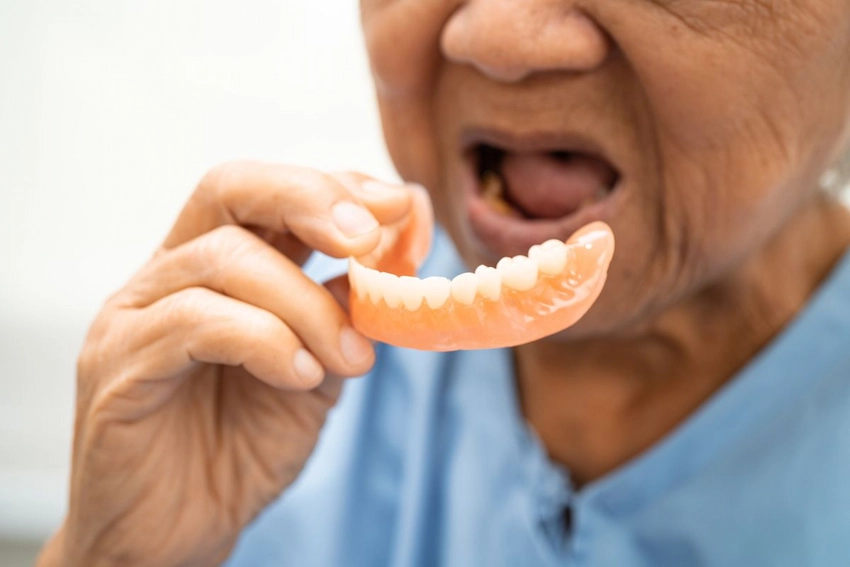
Voor velen is de aanhoudende gebruik van kunstgebitlijm een stille ergernis die ze veel te lang verdragen. U smeert de lijm op, bidt dat deze blijft zitten tot u klaar bent met eten, en 's avonds maakt u de kleverige pasta van uw tandvlees schoon. In feite zijn de hedendaagse tandheelkundige praktijken verder gevorderd dan louter tijdelijke kleefmiddelen. Hier bij de Lema Tandkliniek in Turkije, hebben we door ons klinisch werk gezien dat patiënten die **kleefmiddel** opgeven, niet alleen een sterkere beet vinden, maar ook een hoger niveau van zelfvertrouwen. Laten we echter eerst eens kijken wat het **verschuiven van een kunstgebit** veroorzaakt en vervolgens welke klinische behandelingen u echte veiligheid kunnen bieden.Waarom kunstgebitten verschuiven
Werkelijke klinische methoden
Afhankelijk van de conditie van uw bot en uw wensen, zijn er verschillende manieren waarop u uw glimlach kunt vastzetten zonder kleverige lijmen te gebruiken.-
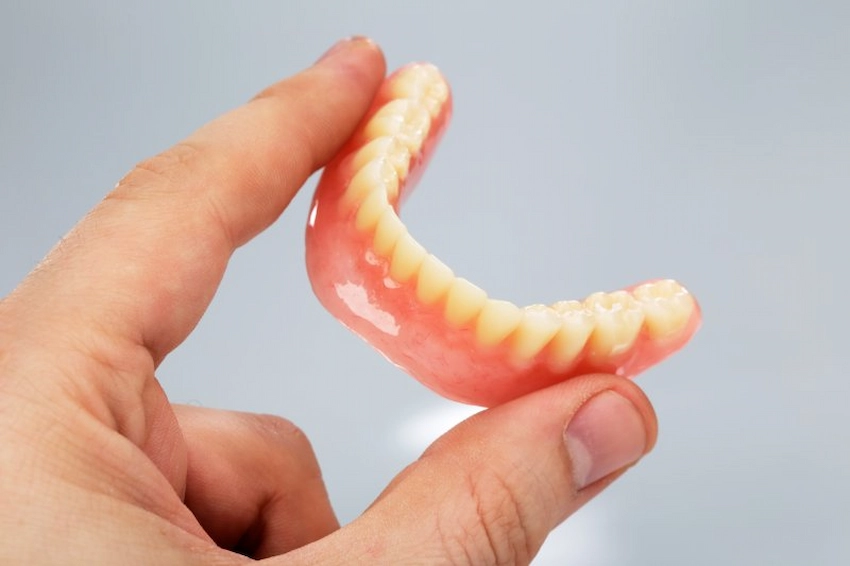
Harde Rebasering
- Voordelen: Het is een snelle, niet-invasieve methode, en de zuigkracht verbetert onmiddellijk.
- Nadelen: Botverlies kan niet worden voorkomen. U zult hoogstwaarschijnlijk later gedwongen zijn om meer aanpassingen te laten doen, omdat uw kaak voortdurend verandert.
-
Implantaatgedragen Overkappingsprotheses (De "Klikgebit"-oplossing)
-
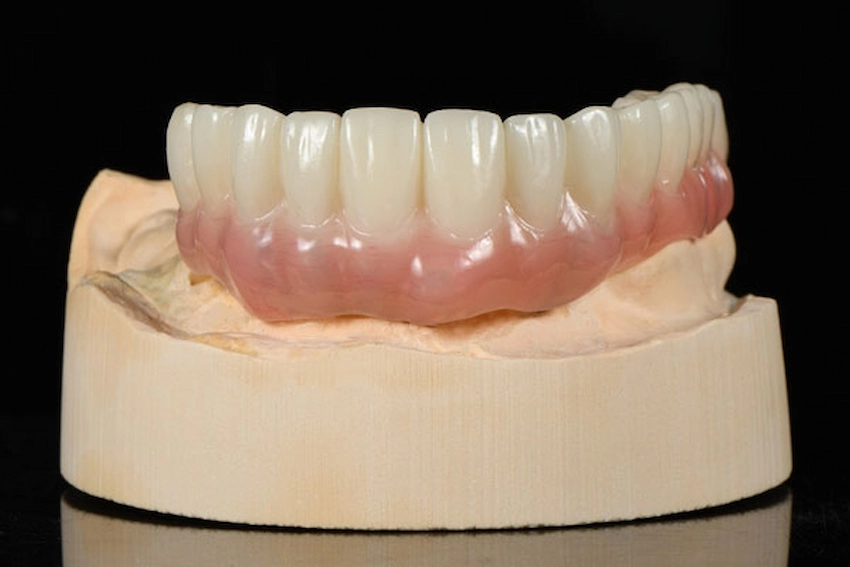
All-on-4 / All-on-6 Vaste Implantaten
Snelle vergelijking: Welke moet u kiezen?
| Behandelingsoptie | Stabiliteit | Voorkomt botverlies? | Gemak |
| Kunstgebit + Lijm | Laag | Nee | Veel onderhoud |
| Kunstgebit Rebasering | Matig | Nee | Regelmatige aanpassingen |
| Klikgebit Overkappingsprothese | Hoog | Ja (rond implantaten) | Uitneembaar/Veilig |
| All-on-4/6 | Maximaal | Ja (Volledig) | Permanent/Vast |
Meest gestelde vragen in onze kliniek
Academische Referenties
- Carlsson, G. E. (2014). Responses of the jawbone to pressure. Gerodontology, 31(1), 2-7.
- Feine, J. S., et al. (2002). The McGill consensus statement on overdentures. International Journal of Prosthodontics, 15(4), 413-414.
- Goodacre, C. J., et al. (2003). Clinical complications with implants and implant prostheses. The Journal of Prosthetic Dentistry, 90(2), 121-132.
- Maló, P., et al. (2011). A longitudinal study of the survival of All-on-4 implants in the mandible with up to 10 years of follow-up. The Journal of the American Dental Association, 142(3), 310-320.
- Thomason, J. M., et al. (2012). Two implant retained overdentures—A review of the literature supporting the McGill and York consensus statements. Journal of Dentistry, 40(1), 22-34.
Veelgestelde vragen
Do implants cause pain?
Being comfortable is the most important thing for us. The bone of the jaw has, in fact,t quite a small number of nerve endings. We do this surgery with only local anesthesia or sedation, and recovery for most patients is even easier than tooth extraction.
How long will All-on-4 implants last?
These titanium implants are intended as a lifelong solution. They integrate with your jaw in a permanent manner. On top of them are the teeth, which are strong and long-lasting; however, after about 10 years, they may require a little bit of professional care.
Are snap-on dentures nice-looking?
The answer is affirmative. Every single pair is meticulously designed to harmonize perfectly with each individual's facial features and gum line. Besides being visually blended with the surrounding teeth, they also carry the charm of a natural and delightful smile.
Will implants allow me to eat anything I want?
That's probably the highlight for many people. While traditional dentures only restore about 20% of normal bite force, implant-assisted dentures give you the feeling of nearly 100% different bite strength. You will feel free to eat an apple, juicy steak, and corn on the cob without even thinking about it.
Is bone grafting mandatory?
It is not mandatory always. Even with some bone loss, the All-on-4 system is capable of using your existing bone because the implants are placed at particular angles. We will assess this for you at your 3D scan.