

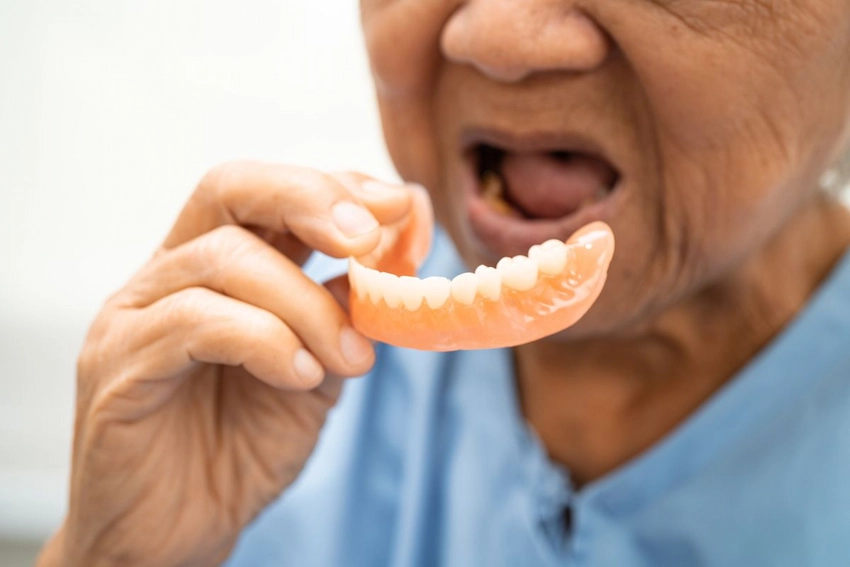
Więcej niż pasta: Lepsze metody stabilizacji protez
Lepsze mocowanie protez dzięki prawidłowemu dopasowaniu, korektom, miękkim podścieleniom lub implantom.
Dla wielu, ciągłe stosowanie kleju do protez jest cichą uciążliwością, z którą znoszą się zbyt długo. Rozprowadzasz klej, modlisz się, żeby utrzymał się, dopóki nie skończysz jeść, a potem w nocy czyścisz lepką pastę z dziąseł. W rzeczywistości, dzisiejsze praktyki stomatologiczne wykraczają poza zwykłe tymczasowe kleje. Tutaj, w naszej pracy klinicznej w Lema Dental Clinic w Turcji, zaobserwowaliśmy, że pacjenci rezygnujący z kleju zyskują nie tylko silniejszy zgryz, ale także wyższy poziom samooceny. Niemniej jednak, najpierw przyjrzyjmy się, co powoduje przesuwanie się protez, a następnie sposobom, w jakie zabiegi kliniczne mogą zapewnić Ci prawdziwe bezpieczeństwo.Dlaczego protezy się przesuwają
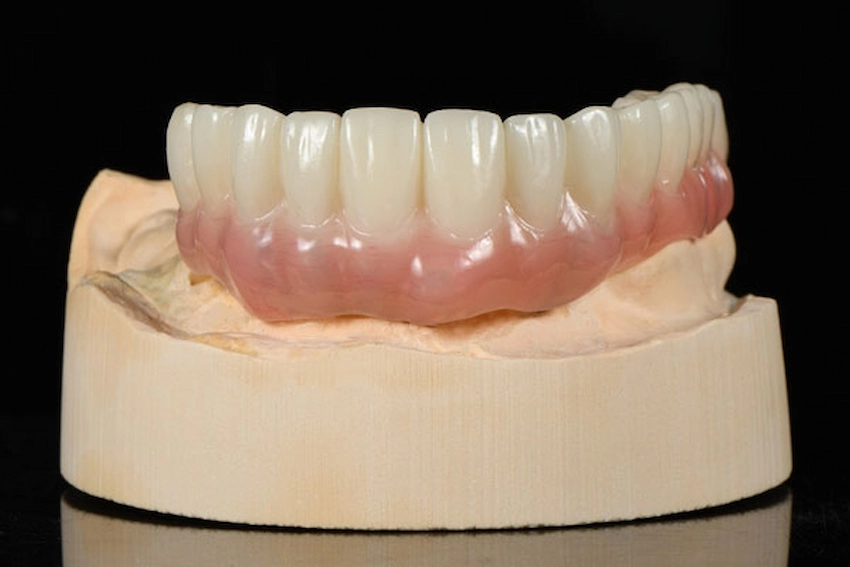
Rzeczywiste Metody Kliniczne
W zależności od stanu Twojej kości i Twoich oczekiwań, istnieje kilka sposobów, dzięki którym możesz utrwalić swój uśmiech bez używania lepkich klejów.-
Twarde podścielenie
- Zalety: Jest to szybka, nieinwazyjna metoda, a ssanie poprawia się natychmiast.
- Wady: Nie można zapobiec utracie kości. Najprawdopodobniej będziesz zmuszony do dalszych korekt, ponieważ Twoja szczęka stale się zmienia.
-
Protezy nakładkowe wsparte na implantach (Rozwiązanie „na zatrzask”)
-
Stałe implanty All-on-4 / All-on-6
Szybkie porównanie: Które rozwiązanie wybrać?
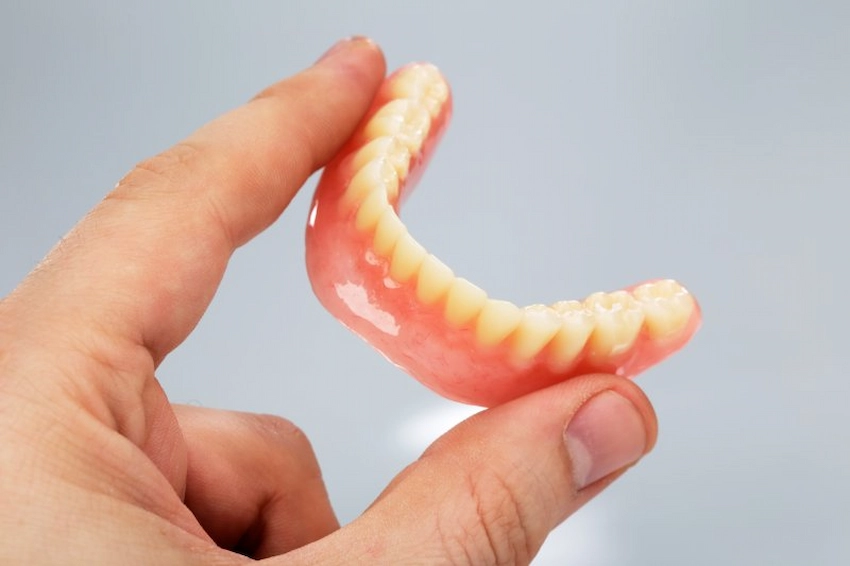
| Opcja leczenia | Stabilność | Zapobiega utracie kości? | Wygoda |
| Proteza + Klej | Niska | Nie | Wysokie wymagania konserwacyjne |
| Podścielenie protezy | Umiarkowana | Nie | Regularne korekty |
| Proteza nakładkowa na zatrzask | Wysoka | Tak (wokół implantów) | Wyjmowalna/Stabilna |
| All-on-4/6 | Maksymalna | Tak (Całkowita) | Stała/Nieruchoma |
Najczęściej Zadawane Pytania w Naszej Klinice
Bibliografia Naukowa
- Carlsson, G. E. (2014). Responses of the jawbone to pressure. Gerodontology, 31(1), 2-7.
- Feine, J. S., et al. (2002). The McGill consensus statement on overdentures. International Journal of Prosthodontics, 15(4), 413-414.
- Goodacre, C. J., et al. (2003). Clinical complications with implants and implant prostheses. The Journal of Prosthetic Dentistry, 90(2), 121-132.
- Maló, P., et al. (2011). A longitudinal study of the survival of All-on-4 implants in the mandible with up to 10 years of follow-up. The Journal of the American Dental Association, 142(3), 310-320.
- Thomason, J. M., et al. (2012). Two implant retained overdentures—A review of the literature supporting the McGill and York consensus statements. Journal of Dentistry, 40(1), 22-34.
Pytania pacjentów
Do implants cause pain?
Being comfortable is the most important thing for us. The bone of the jaw has, in fact,t quite a small number of nerve endings. We do this surgery with only local anesthesia or sedation, and recovery for most patients is even easier than tooth extraction.
How long will All-on-4 implants last?
These titanium implants are intended as a lifelong solution. They integrate with your jaw in a permanent manner. On top of them are the teeth, which are strong and long-lasting; however, after about 10 years, they may require a little bit of professional care.
Are snap-on dentures nice-looking?
The answer is affirmative. Every single pair is meticulously designed to harmonize perfectly with each individual's facial features and gum line. Besides being visually blended with the surrounding teeth, they also carry the charm of a natural and delightful smile.
Will implants allow me to eat anything I want?
That's probably the highlight for many people. While traditional dentures only restore about 20% of normal bite force, implant-assisted dentures give you the feeling of nearly 100% different bite strength. You will feel free to eat an apple, juicy steak, and corn on the cob without even thinking about it.
Is bone grafting mandatory?
It is not mandatory always. Even with some bone loss, the All-on-4 system is capable of using your existing bone because the implants are placed at particular angles. We will assess this for you at your 3D scan.