

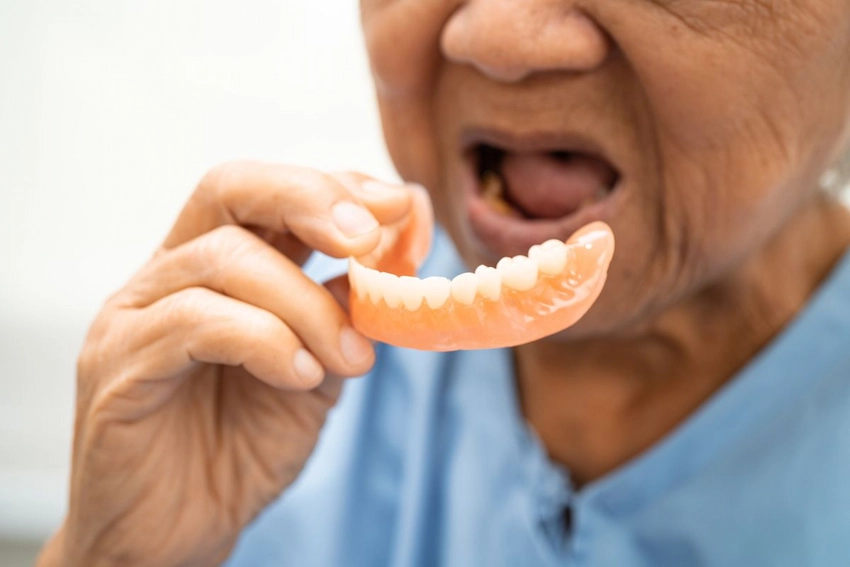
Sicherer Prothesenhalt: Alternativen zur Haftcreme
Zahnersatz besser sichern mit richtigem Sitz, Anpassungen, weichen Unterfütterungen oder Implantaten.
Für viele ist die ständige Verwendung von Prothesenkleber eine stille Belästigung, die sie viel zu lange hinnehmen. Sie verteilen den Haftkleber, beten, dass er hält, bis Sie mit dem Essen fertig sind, und reinigen dann nachts die klebrige Paste von Ihrem Zahnfleisch. Tatsächlich sind die heutigen zahnmedizinischen Praktiken über bloße provisorische Haftmittel hinausgegangen. Hier in der Lema Zahnklinik in der Türkei haben wir in unserer klinischen Arbeit festgestellt, dass Patienten, die auf Haftmittel verzichten, nicht nur einen stärkeren Biss, sondern auch ein höheres Selbstwertgefühl erlangen. Dennoch wollen wir zunächst die Ursachen für das Verrutschen von Prothesen betrachten und anschließend die klinischen Behandlungsmethoden, die Ihnen echte Sicherheit bieten können.Warum Prothesen verrutschen
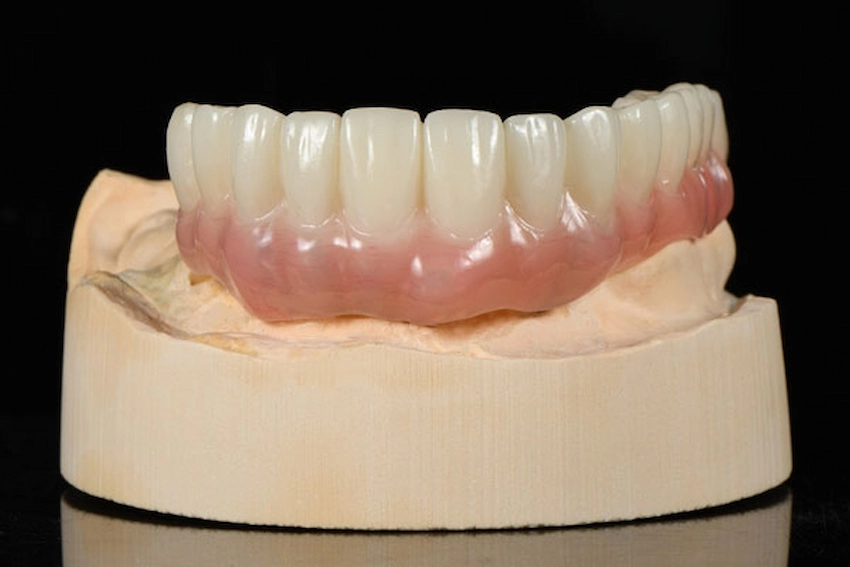
Tatsächliche klinische Methoden
Je nach Zustand Ihres Knochens und Ihren Wünschen gibt es verschiedene Möglichkeiten, wie Sie Ihr Lächeln ohne klebrige Haftmittel sichern können.-
Harte Unterfütterung
- Vorteile: Es ist eine schnelle, nicht-invasive Methode, und der Halt verbessert sich sofort.
- Nachteile: Knochenschwund kann nicht verhindert werden. Sie werden höchstwahrscheinlich später weitere Anpassungen vornehmen lassen müssen, da sich Ihr Kiefer ständig verändert.
-
Implantatgetragene Cover-Prothesen (Die „Snap-On“-Lösung)
-
All-on-4 / All-on-6 festsitzende Implantate
Kurzer Vergleich: Welche Option sollten Sie wählen?
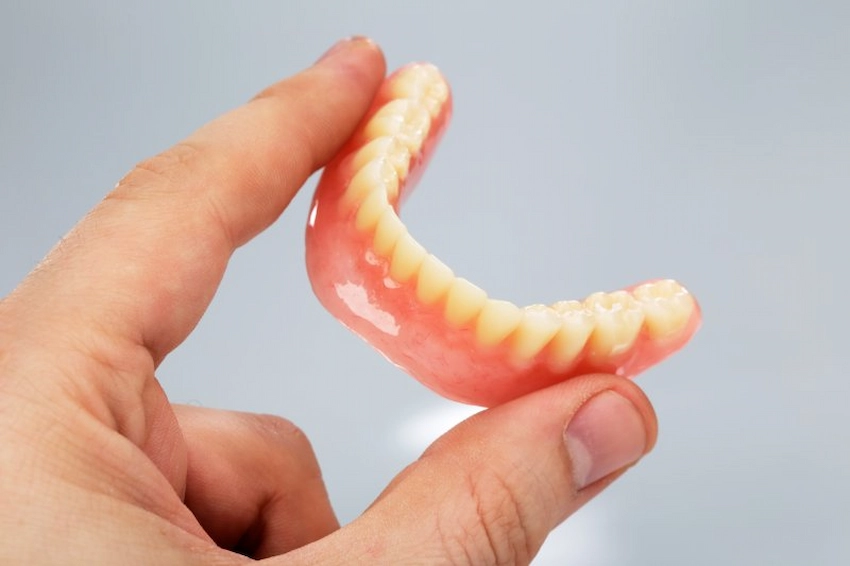
| Behandlungsoption | Stabilität | Verhindert Knochenverlust? | Komfort |
| Prothese + Haftmittel | Niedrig | Nein | Hoher Pflegeaufwand |
| Prothesenunterfütterung | Mäßig | Nein | Regelmäßige Anpassungen |
| Snap-On Cover-Prothese | Hoch | Ja (um Implantate herum) | Herausnehmbar/Sicher |
| All-on-4/6 | Maximal | Ja (Vollständig) | Permanent/Festsitzend |
Häufig gestellte Fragen in unserer Klinik
Akademische Referenzen
- Carlsson, G. E. (2014). Responses of the jawbone to pressure. Gerodontology, 31(1), 2-7.
- Feine, J. S., et al. (2002). The McGill consensus statement on overdentures. International Journal of Prosthodontics, 15(4), 413-414.
- Goodacre, C. J., et al. (2003). Clinical complications with implants and implant prostheses. The Journal of Prosthetic Dentistry, 90(2), 121-132.
- Maló, P., et al. (2011). A longitudinal study of the survival of All-on-4 implants in the mandible with up to 10 years of follow-up. The Journal of the American Dental Association, 142(3), 310-320.
- Thomason, J. M., et al. (2012). Two implant retained overdentures—A review of the literature supporting the McGill and York consensus statements. Journal of Dentistry, 40(1), 22-34.
Häufige Fragen
Do implants cause pain?
Being comfortable is the most important thing for us. The bone of the jaw has, in fact,t quite a small number of nerve endings. We do this surgery with only local anesthesia or sedation, and recovery for most patients is even easier than tooth extraction.
How long will All-on-4 implants last?
These titanium implants are intended as a lifelong solution. They integrate with your jaw in a permanent manner. On top of them are the teeth, which are strong and long-lasting; however, after about 10 years, they may require a little bit of professional care.
Are snap-on dentures nice-looking?
The answer is affirmative. Every single pair is meticulously designed to harmonize perfectly with each individual's facial features and gum line. Besides being visually blended with the surrounding teeth, they also carry the charm of a natural and delightful smile.
Will implants allow me to eat anything I want?
That's probably the highlight for many people. While traditional dentures only restore about 20% of normal bite force, implant-assisted dentures give you the feeling of nearly 100% different bite strength. You will feel free to eat an apple, juicy steak, and corn on the cob without even thinking about it.
Is bone grafting mandatory?
It is not mandatory always. Even with some bone loss, the All-on-4 system is capable of using your existing bone because the implants are placed at particular angles. We will assess this for you at your 3D scan.