

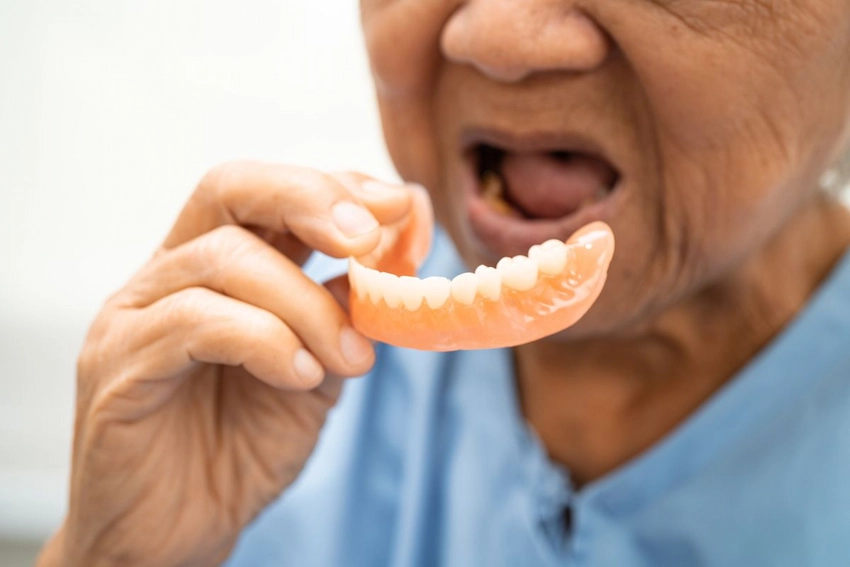
Bortom limmet: Bättre sätt att säkra dina proteser
Säkra tandproteser bättre med korrekt passform, justeringar, mjuka foder eller implantat.
För många är den ständiga användning av proteslim ett tyst irritationsmoment som de står ut med alldeles för länge. Du sprider ut limmet, ber att det ska sitta kvar tills du ätit klart, och på kvällen rengör du den klibbiga pastan från ditt tandkött. Faktum är att dagens tandvård har avancerat bortom enbart temporära lim. Här på Lema Dental Clinic i Turkiet har vi genom vårt kliniska arbete sett att patienter som slutar använda lim inte bara får ett starkare bett utan också en högre självkänsla. Låt oss först se vad som orsakar att proteser glider och sedan vilka kliniska behandlingar som kan ge dig verklig trygghet.Varför proteser glider
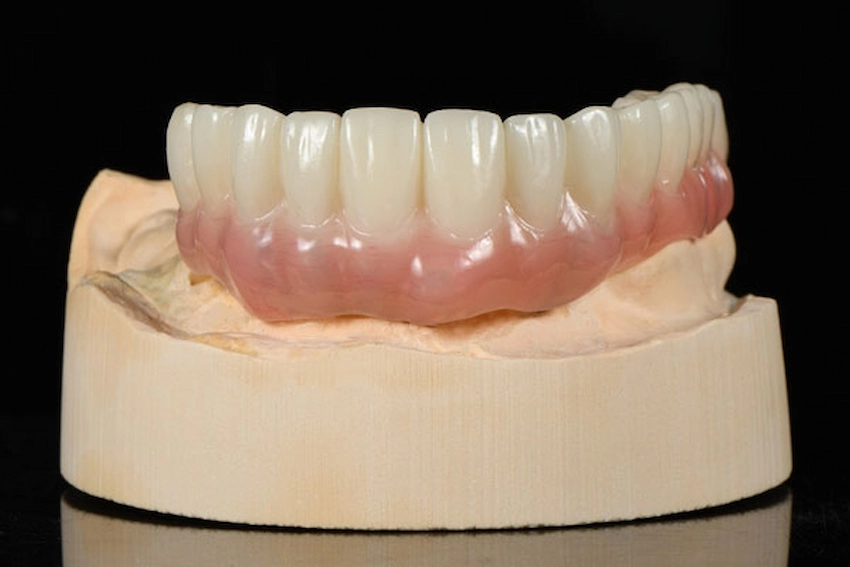
Faktiska kliniska metoder
Baserat på ditt bens tillstånd och vad du önskar finns det flera sätt att låsa fast ditt leende utan att använda klibbiga lim.-
Hård ombasering (Hard Reline)
- Fördelar: Det är en snabb, icke-invasiv metod, och suget blir bättre direkt.
- Nackdelar: Benförlust kan inte förhindras. Du kommer troligen att behöva fler justeringar senare eftersom ditt käkben ständigt förändras.
-
Implantatstödda överproteser ("Klick"-lösningen)
-
All-on-4 / All-on-6 Fasta implantat
Snabb jämförelse: Vilken ska du välja?
| Behandlingsalternativ | Stabilitet | Förhindrar benförlust? | Bekvämlighet |
| Protes + Lim | Låg | Nej | Högt underhåll |
| Protesombasering | Måttlig | Nej | Regelbundna justeringar |
| "Klick"-överprotes | Hög | Ja (runt implantat) | Avtagbar/Säker |
| All-on-4/6 | Maximal | Ja (Fullständig) | Permanent/Fast |
Mest ställda frågor på vår klinik
Akademiska referenser
- Carlsson, G. E. (2014). Responses of the jawbone to pressure. Gerodontology, 31(1), 2-7.
- Feine, J. S., et al. (2002). The McGill consensus statement on overdentures. International Journal of Prosthodontics, 15(4), 413-414.
- Goodacre, C. J., et al. (2003). Clinical complications with implants and implant prostheses. The Journal of Prosthetic Dentistry, 90(2), 121-132.
- Maló, P., et al. (2011). A longitudinal study of the survival of All-on-4 implants in the mandible with up to 10 years of follow-up. The Journal of the American Dental Association, 142(3), 310-320.
- Thomason, J. M., et al. (2012). Two implant retained overdentures—A review of the literature supporting the McGill and York consensus statements. Journal of Dentistry, 40(1), 22-34.
Vanliga frågor
Do implants cause pain?
Being comfortable is the most important thing for us. The bone of the jaw has, in fact,t quite a small number of nerve endings. We do this surgery with only local anesthesia or sedation, and recovery for most patients is even easier than tooth extraction.
How long will All-on-4 implants last?
These titanium implants are intended as a lifelong solution. They integrate with your jaw in a permanent manner. On top of them are the teeth, which are strong and long-lasting; however, after about 10 years, they may require a little bit of professional care.
Are snap-on dentures nice-looking?
The answer is affirmative. Every single pair is meticulously designed to harmonize perfectly with each individual's facial features and gum line. Besides being visually blended with the surrounding teeth, they also carry the charm of a natural and delightful smile.
Will implants allow me to eat anything I want?
That's probably the highlight for many people. While traditional dentures only restore about 20% of normal bite force, implant-assisted dentures give you the feeling of nearly 100% different bite strength. You will feel free to eat an apple, juicy steak, and corn on the cob without even thinking about it.
Is bone grafting mandatory?
It is not mandatory always. Even with some bone loss, the All-on-4 system is capable of using your existing bone because the implants are placed at particular angles. We will assess this for you at your 3D scan.