

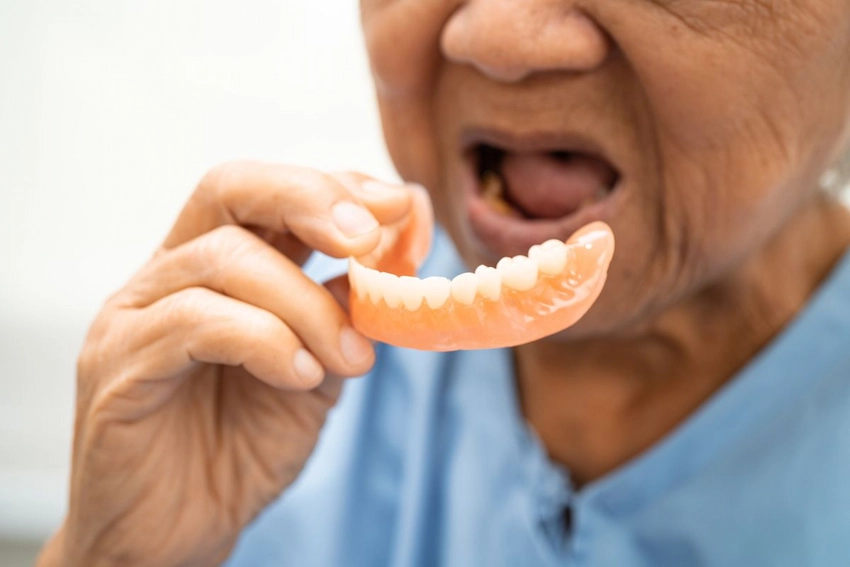
Ud over pastaen: Bedre måder at sikre dine tandproteser på
Sikr proteser bedre med korrekt pasform, justeringer, bløde foringer eller implantater.
For mange er den vedvarende brug af proteselim en stille irritation, som de finder sig i alt for længe. Du smører klæbemidlet på, beder til, at det holder, indtil du er færdig med at spise, og om natten renser du den klæbrige pasta af dit tandkød. Faktisk er nutidens tandlægepraksis avanceret ud over blot midertidige klæbemidler. Her på Lema Dental Clinic i Tyrkiet har vi gennem vores kliniske arbejde set, at patienter, der opgiver klæbemiddel, ikke kun opnår et stærkere bid, men også et højere niveau af selvværd. Lad os ikke desto mindre først se, hvad der forårsager proteseglidning, og derefter de måder, hvorpå kliniske behandlinger kan give dig reel sikkerhed.Hvorfor proteser glider
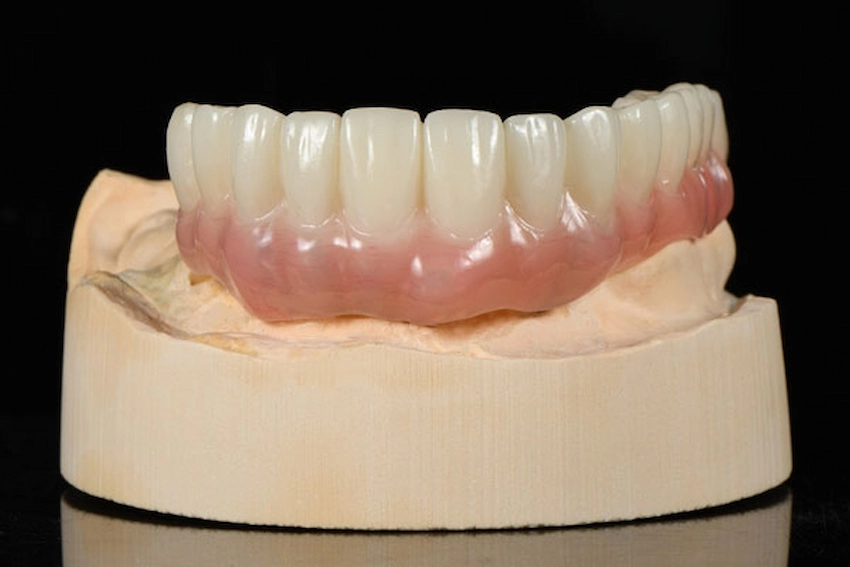
Faktiske kliniske metoder
Baseret på din knogles tilstand og dine ønsker, er der flere måder, hvorpå du kan fastholde dit smil uden at bruge klæbende lim.-
Hård rebasering
- Fordele: Det er en hurtig, ikke-invasiv metode, og suget bliver straks bedre.
- Ulemper: Knogletab kan ikke forhindres. Du vil sandsynligvis blive nødt til at få flere justeringer senere, fordi din kæbe konstant ændrer sig.
-
Implantatunderstøttede overproteser ("Snap-On" løsningen)
-
All-on-4 / All-on-6 faste implantater
Hurtig sammenligning: Hvilken skal du vælge?
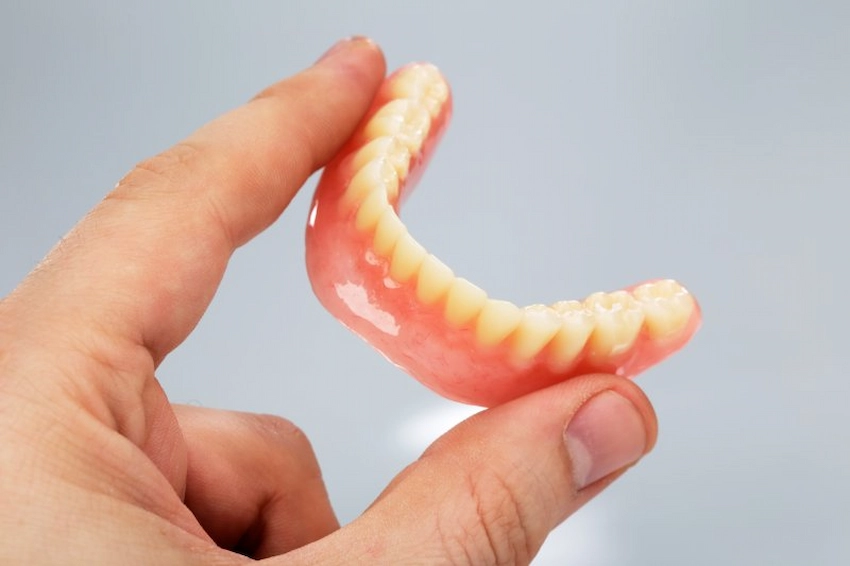
| Behandlingsmulighed | Stabilitet | Forhindrer knogletab? | Bekvemmelighed |
| Protese + Lim | Lav | Nej | Højt vedligehold |
| Protese rebasering | Moderat | Nej | Regelmæssige justeringer |
| Snap-On overprotese | Høj | Ja (omkring implantater) | Aftagelig/Sikker |
| All-on-4/6 | Maksimal | Ja (Fuld) | Permanent/Fast |
Mest stillede spørgsmål på vores klinik
Akademiske referencer
- Carlsson, G. E. (2014). Responses of the jawbone to pressure. Gerodontology, 31(1), 2-7.
- Feine, J. S., et al. (2002). The McGill consensus statement on overdentures. International Journal of Prosthodontics, 15(4), 413-414.
- Goodacre, C. J., et al. (2003). Clinical complications with implants and implant prostheses. The Journal of Prosthetic Dentistry, 90(2), 121-132.
- Maló, P., et al. (2011). A longitudinal study of the survival of All-on-4 implants in the mandible with up to 10 years of follow-up. The Journal of the American Dental Association, 142(3), 310-320.
- Thomason, J. M., et al. (2012). Two implant retained overdentures—A review of the literature supporting the McGill and York consensus statements. Journal of Dentistry, 40(1), 22-34.
Ofte stillede spørgsmål
Do implants cause pain?
Being comfortable is the most important thing for us. The bone of the jaw has, in fact,t quite a small number of nerve endings. We do this surgery with only local anesthesia or sedation, and recovery for most patients is even easier than tooth extraction.
How long will All-on-4 implants last?
These titanium implants are intended as a lifelong solution. They integrate with your jaw in a permanent manner. On top of them are the teeth, which are strong and long-lasting; however, after about 10 years, they may require a little bit of professional care.
Are snap-on dentures nice-looking?
The answer is affirmative. Every single pair is meticulously designed to harmonize perfectly with each individual's facial features and gum line. Besides being visually blended with the surrounding teeth, they also carry the charm of a natural and delightful smile.
Will implants allow me to eat anything I want?
That's probably the highlight for many people. While traditional dentures only restore about 20% of normal bite force, implant-assisted dentures give you the feeling of nearly 100% different bite strength. You will feel free to eat an apple, juicy steak, and corn on the cob without even thinking about it.
Is bone grafting mandatory?
It is not mandatory always. Even with some bone loss, the All-on-4 system is capable of using your existing bone because the implants are placed at particular angles. We will assess this for you at your 3D scan.