

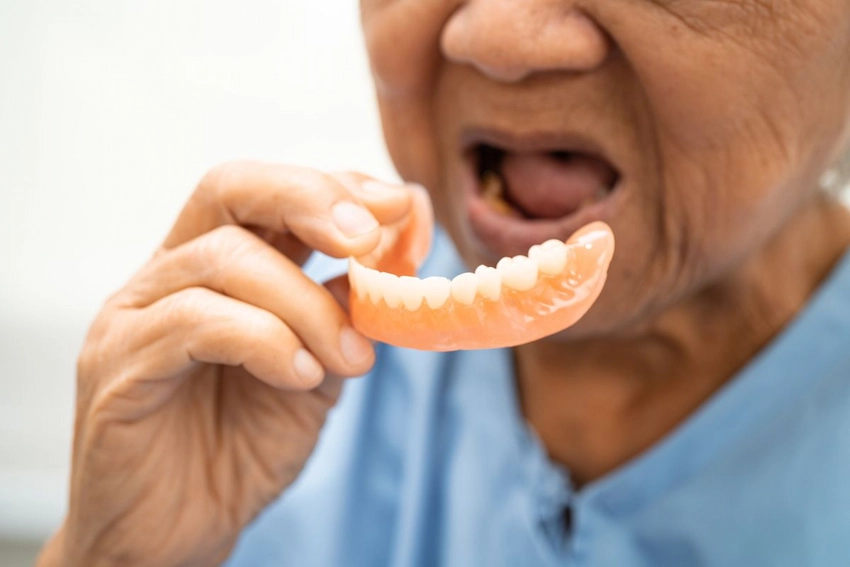
Enam kui vaid liim: Tõhusamad lahendused hambaproteeside kinnitamiseks
Kinnitage hambaproteesid paremini õige sobivuse, kohanduste, pehmete vooderdiste või implantaatidega.
Paljude jaoks on pidev proteesi liimi kasutamine vaikne tüütus, millega nad liiga kaua leppivad. Te määrite proteesiliimi, palvetate, et see püsiks söömise lõpuni, ja seejärel puhastate õhtul igemetelt kleepuva pasta. Tegelikult on tänapäevased hambaravipraktikad arenenud kaugemale pelgalt ajutistest proteesiliimidest. Siin Lema hambakliinikus Türgis, oleme oma kliinilises töös näinud, et patsiendid, kes loobuvad proteesiliimist, ei leia mitte ainult tugevamat hammustust, vaid ka kõrgema enesehinnangu. Siiski vaatame esmalt, mis põhjustab proteeside libisemist ja seejärel, millised kliinilised ravimeetodid võivad teile tõelist kindlustunnet pakkuda.Miks proteesid libisevad
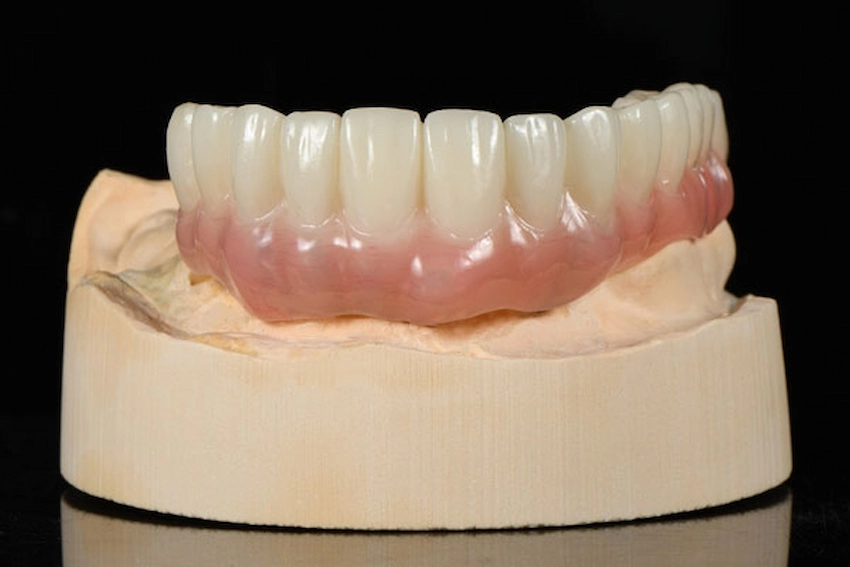
Tegelikud kliinilised meetodid
Olenevalt teie luu seisundist ja teie soovidest on mitmeid viise, kuidas saate oma naeratuse kindlustada ilma kleepuvaid liime kasutamata.-
Kõva vooderdus
- Plussid: See on kiire, mitteinvasiivne meetod ja imemine paraneb koheselt.
- Miinused: Luukadu ei saa vältida. Tõenäoliselt olete sunnitud hiljem tegema rohkem kohandusi, sest teie lõualuu muutub pidevalt.
-
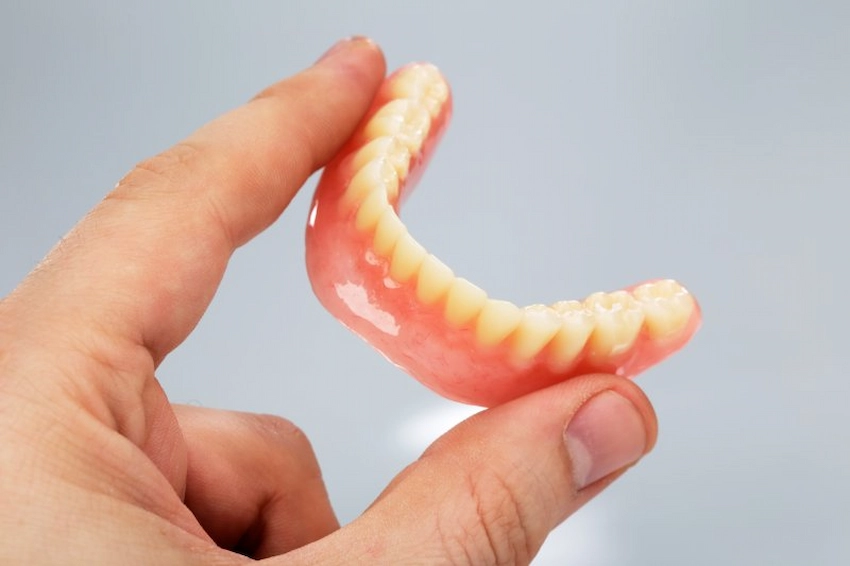
Implantaatidel toetuvad üleproteesid ("Snap-On" lahendus)
-
All-on-4 / All-on-6 fikseeritud implantaadid
Kiire võrdlus: milline valida?
| Ravivõimalus | Stabiilsus | Kas hoiab ära luukao? | Mugavus |
| Protees + liim | Madal | Ei | Nõuab palju hooldust |
| Proteesi vooderdus | Mõõdukas | Ei | Regulaarsed kohandused |
| Snap-On üleprotees | Kõrge | Jah (implantaatide ümber) | Eemaldatav/Kindel |
| All-on-4/6 | Maksimaalne | Jah (täielikult) | Püsiv/Fikseeritud |
Kõige sagedamini esitatud küsimused meie kliinikus
Akadeemilised viited
- Carlsson, G. E. (2014). Responses of the jawbone to pressure. Gerodontology, 31(1), 2-7.
- Feine, J. S., et al. (2002). The McGill consensus statement on overdentures. International Journal of Prosthodontics, 15(4), 413-414.
- Goodacre, C. J., et al. (2003). Clinical complications with implants and implant prostheses. The Journal of Prosthetic Dentistry, 90(2), 121-132.
- Maló, P., et al. (2011). A longitudinal study of the survival of All-on-4 implants in the mandible with up to 10 years of follow-up. The Journal of the American Dental Association, 142(3), 310-320.
- Thomason, J. M., et al. (2012). Two implant retained overdentures—A review of the literature supporting the McGill and York consensus statements. Journal of Dentistry, 40(1), 22-34.
Korduma kippuvad küsimused
Do implants cause pain?
Being comfortable is the most important thing for us. The bone of the jaw has, in fact,t quite a small number of nerve endings. We do this surgery with only local anesthesia or sedation, and recovery for most patients is even easier than tooth extraction.
How long will All-on-4 implants last?
These titanium implants are intended as a lifelong solution. They integrate with your jaw in a permanent manner. On top of them are the teeth, which are strong and long-lasting; however, after about 10 years, they may require a little bit of professional care.
Are snap-on dentures nice-looking?
The answer is affirmative. Every single pair is meticulously designed to harmonize perfectly with each individual's facial features and gum line. Besides being visually blended with the surrounding teeth, they also carry the charm of a natural and delightful smile.
Will implants allow me to eat anything I want?
That's probably the highlight for many people. While traditional dentures only restore about 20% of normal bite force, implant-assisted dentures give you the feeling of nearly 100% different bite strength. You will feel free to eat an apple, juicy steak, and corn on the cob without even thinking about it.
Is bone grafting mandatory?
It is not mandatory always. Even with some bone loss, the All-on-4 system is capable of using your existing bone because the implants are placed at particular angles. We will assess this for you at your 3D scan.