

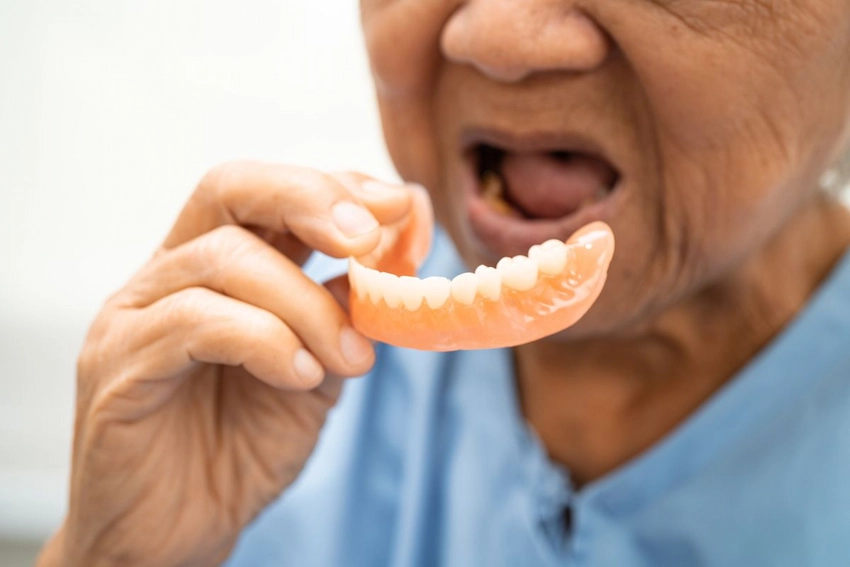
Protez Sabitleme: Yapıştırıcıların Ötesinde Etkili Çözümler
Protezlerin doğru uyumunu, ayarlamalarını, yumuşak astarını veya implantlarını, daha iyi sabitleyin.
Birçok kişi için, süregelen protez yapıştırıcısının kullanımı çok uzun süredir katlandıkları sessiz bir rahatsızlıktır. Yapıştırıcıyı sürersiniz, yemek bitene kadar kalması için dua edersiniz, sonra gece diş etlerinizdeki yapışkan macunu temizlersiniz. Aslında, günümüzün diş hekimliği uygulamaları sadece geçici yapıştırıcıların ötesine geçmiştir. Burada Türkiye'deki Lema Diş Kliniği'nde, klinik çalışmalarımızda, yapıştırıcıdan vazgeçen hastaların sadece daha güçlü bir ısırma kuvveti değil, aynı zamanda daha yüksek bir özgüven seviyesi bulduğunu gördük. Yine de, önce diş protezi kaymasının nedenlerini ve ardından klinik tedavilerin size gerçek güvenliği nasıl sağlayabileceğini görelim.Protezler Neden Kayar?
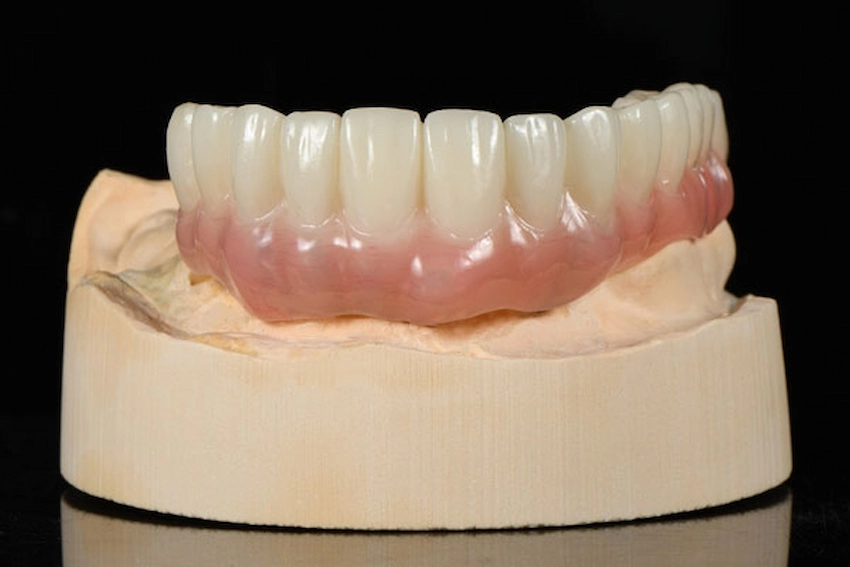
Gerçek Klinik Yöntemler
Kemik durumunuza ve isteklerinize bağlı olarak, yapışkan tutkallar kullanmadan gülüşünüzü sabitleyebileceğiniz çeşitli yöntemler bulunmaktadır.-
Sert Besleme (Reline)
- Artıları: Hızlı, non-invaziv bir yöntemdir ve emiş gücü hemen iyileşir.
- Eksileri: Kemik kaybı önlenemez. Çeneniz sürekli değiştiği için daha sonra muhtemelen daha fazla ayarlama yaptırmak zorunda kalacaksınız.
-
İmplant Destekli Overdenture'lar ("Çıtçıtlı" Çözüm)
-
All-on-4 / All-on-6 Sabit İmplantlar
Hızlı Karşılaştırma: Hangisini Seçmelisiniz?
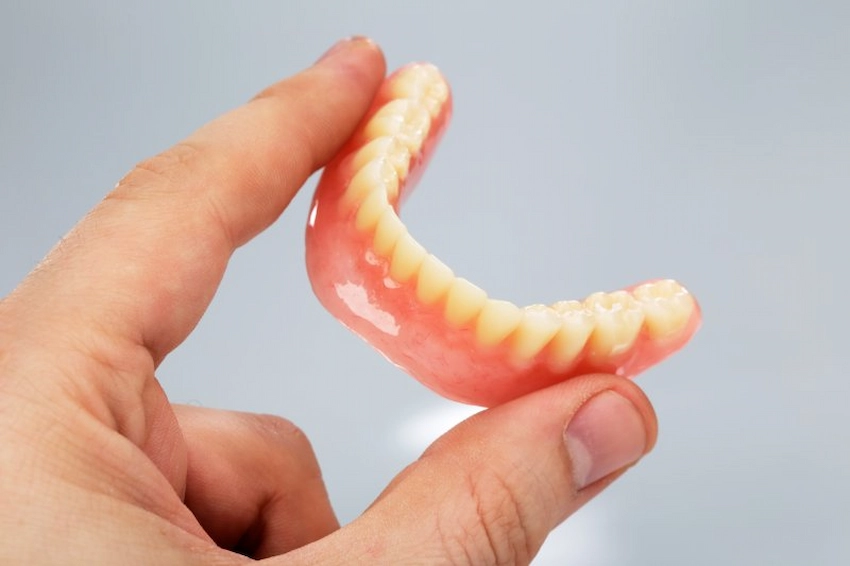
| Tedavi Seçeneği | Stabilite | Kemik Kaybını Önler mi? | Konfor/Kullanım Kolaylığı |
| Protez + Yapıştırıcı | Düşük | Hayır | Yüksek Bakım Gerektirir |
| Protez Besleme | Orta | Hayır | Düzenli Ayarlamalar |
| Çıtçıtlı Overdenture | Yüksek | Evet (implant çevresinde) | Çıkarılabilir/Güvenli |
| All-on-4/6 | Maksimum | Evet (Tamamen) | Kalıcı/Sabit |
Kliniğimizde En Çok Sorulan Sorular
Akademik Referanslar
- Carlsson, G. E. (2014). Responses of the jawbone to pressure. Gerodontology, 31(1), 2-7.
- Feine, J. S., et al. (2002). The McGill consensus statement on overdentures. International Journal of Prosthodontics, 15(4), 413-414.
- Goodacre, C. J., et al. (2003). Clinical complications with implants and implant prostheses. The Journal of Prosthetic Dentistry, 90(2), 121-132.
- Maló, P., et al. (2011). A longitudinal study of the survival of All-on-4 implants in the mandible with up to 10 years of follow-up. The Journal of the American Dental Association, 142(3), 310-320.
- Thomason, J. M., et al. (2012). Two implant retained overdentures—A review of the literature supporting the McGill and York consensus statements. Journal of Dentistry, 40(1), 22-34.
Sıkça sorulan sorular
Do implants cause pain?
Being comfortable is the most important thing for us. The bone of the jaw has, in fact,t quite a small number of nerve endings. We do this surgery with only local anesthesia or sedation, and recovery for most patients is even easier than tooth extraction.
How long will All-on-4 implants last?
These titanium implants are intended as a lifelong solution. They integrate with your jaw in a permanent manner. On top of them are the teeth, which are strong and long-lasting; however, after about 10 years, they may require a little bit of professional care.
Are snap-on dentures nice-looking?
The answer is affirmative. Every single pair is meticulously designed to harmonize perfectly with each individual's facial features and gum line. Besides being visually blended with the surrounding teeth, they also carry the charm of a natural and delightful smile.
Will implants allow me to eat anything I want?
That's probably the highlight for many people. While traditional dentures only restore about 20% of normal bite force, implant-assisted dentures give you the feeling of nearly 100% different bite strength. You will feel free to eat an apple, juicy steak, and corn on the cob without even thinking about it.
Is bone grafting mandatory?
It is not mandatory always. Even with some bone loss, the All-on-4 system is capable of using your existing bone because the implants are placed at particular angles. We will assess this for you at your 3D scan.