

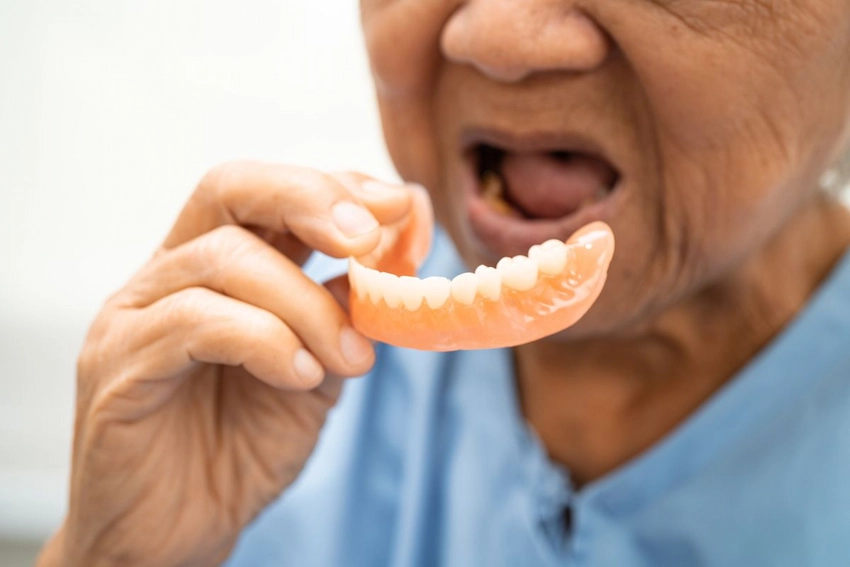
Fijación dental superior: Más allá de la crema adhesiva.
Asegure mejor las prótesis dentales con un ajuste adecuado, ajustes, bases blandas o implantes.
Para muchos, el constante uso de pegamento para dentaduras postizas es una molestia silenciosa que soportan durante demasiado tiempo. Usted extiende el adhesivo, reza para que se mantenga hasta que termine de comer, y luego por la noche limpia la pasta pegajosa de sus encías. De hecho, las prácticas dentales actuales han avanzado más allá de los meros adhesivos temporales. Aquí en la Clínica Dental Lema en Turquía, hemos comprobado a través de nuestro trabajo clínico que los pacientes que abandonan el adhesivo encuentran no solo una mordida más fuerte, sino también un mayor nivel de autoestima. Sin embargo, primero veamos qué causa el deslizamiento de la prótesis y luego las formas en que los tratamientos clínicos pueden brindarle una seguridad real.¿Por qué se deslizan las prótesis dentales?
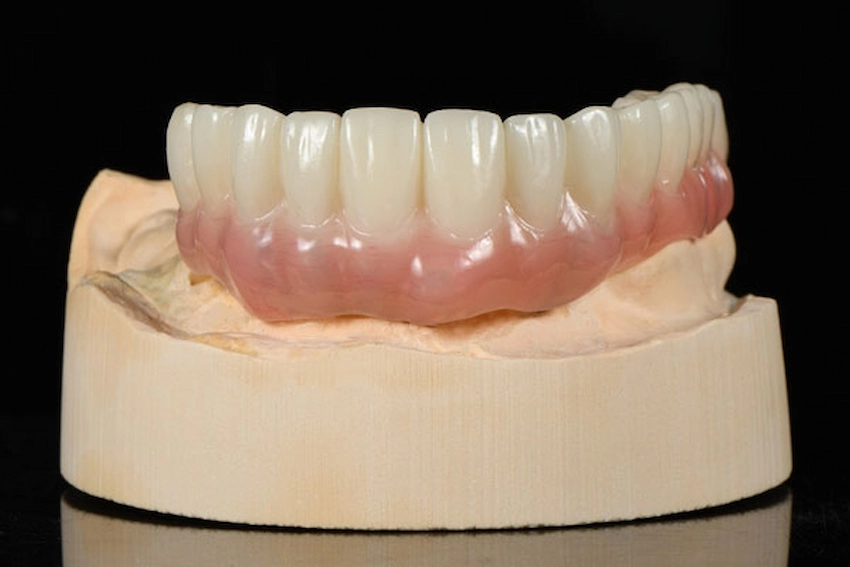
Métodos Clínicos Reales
Según el estado de su hueso y lo que desee, existen varias formas de fijar su sonrisa sin usar pegamentos pegajosos.-
Rebase Duro
- Ventajas: Es un método rápido, no invasivo, y la succión mejora de inmediato.
- Desventajas: La pérdida ósea no se puede prevenir. Lo más probable es que se vea obligado a realizar más ajustes más adelante porque su mandíbula cambia continuamente.
-
Sobredentaduras Soportadas por Implantes (La Solución "Snap-On")
-
Implantes Fijos All-on-4 / All-on-6
Comparación Rápida: ¿Cuál Debería Elegir?
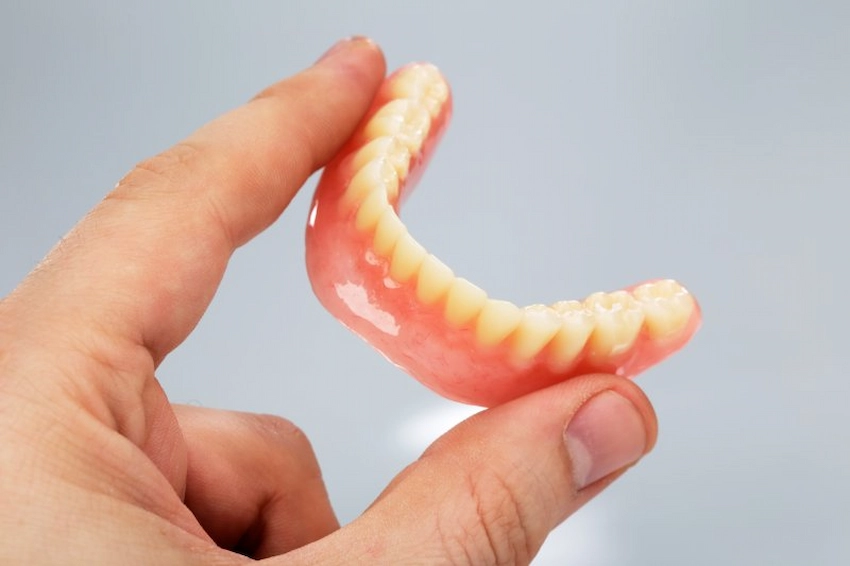
| Opción de Tratamiento | Estabilidad | ¿Previene la Pérdida Ósea? | Conveniencia |
| Prótesis + Adhesivo | Baja | No | Alto Mantenimiento |
| Rebase de Prótesis | Moderada | No | Ajustes Regulares |
| Sobredentadura de ajuste a presión | Alta | Sí (alrededor de los implantes) | Removible/Segura |
| All-on-4/6 | Máxima | Sí (Completa) | Permanente/Fija |
Preguntas Más Frecuentes en Nuestra Clínica
Referencias Académicas
- Carlsson, G. E. (2014). Responses of the jawbone to pressure. Gerodontology, 31(1), 2-7.
- Feine, J. S., et al. (2002). The McGill consensus statement on overdentures. International Journal of Prosthodontics, 15(4), 413-414.
- Goodacre, C. J., et al. (2003). Clinical complications with implants and implant prostheses. The Journal of Prosthetic Dentistry, 90(2), 121-132.
- Maló, P., et al. (2011). A longitudinal study of the survival of All-on-4 implants in the mandible with up to 10 years of follow-up. The Journal of the American Dental Association, 142(3), 310-320.
- Thomason, J. M., et al. (2012). Two implant retained overdentures—A review of the literature supporting the McGill and York consensus statements. Journal of Dentistry, 40(1), 22-34.
Preguntas frecuentes
Do implants cause pain?
Being comfortable is the most important thing for us. The bone of the jaw has, in fact,t quite a small number of nerve endings. We do this surgery with only local anesthesia or sedation, and recovery for most patients is even easier than tooth extraction.
How long will All-on-4 implants last?
These titanium implants are intended as a lifelong solution. They integrate with your jaw in a permanent manner. On top of them are the teeth, which are strong and long-lasting; however, after about 10 years, they may require a little bit of professional care.
Are snap-on dentures nice-looking?
The answer is affirmative. Every single pair is meticulously designed to harmonize perfectly with each individual's facial features and gum line. Besides being visually blended with the surrounding teeth, they also carry the charm of a natural and delightful smile.
Will implants allow me to eat anything I want?
That's probably the highlight for many people. While traditional dentures only restore about 20% of normal bite force, implant-assisted dentures give you the feeling of nearly 100% different bite strength. You will feel free to eat an apple, juicy steak, and corn on the cob without even thinking about it.
Is bone grafting mandatory?
It is not mandatory always. Even with some bone loss, the All-on-4 system is capable of using your existing bone because the implants are placed at particular angles. We will assess this for you at your 3D scan.