

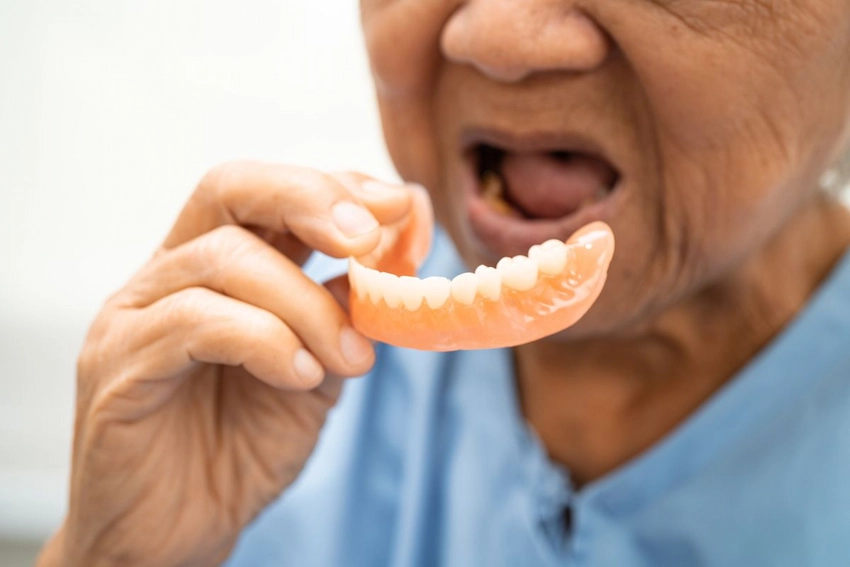
Dincolo de Pastă: Modalități Mai Bune de a Vă Fixa Protezele Dentare
Fixați mai bine protezele dentare cu o potrivire corectă, ajustări, căptușeli moi sau implanturi.
Pentru mulți, utilizarea lipiciului pentru proteze este o neplăcere tăcută pe care o suportă mult prea mult timp. Întindeți adezivul, vă rugați să reziste până terminați de mâncat, apoi noaptea curățați pasta lipicioasă de pe gingii. De fapt, practicile stomatologice de astăzi au avansat dincolo de simplii adezivi temporari. Aici la Clinica Stomatologică Lema din Turcia, am observat prin munca noastră clinică că pacienții care renunță la adeziv nu găsesc doar o mușcătură mai puternică, ci și un nivel mai ridicat de încredere în sine. Cu toate acestea, mai întâi să vedem ce cauzează alunecarea protezei dentare și apoi modalitățile prin care tratamentele clinice vă pot oferi o siguranță reală.De ce alunecă protezele dentare
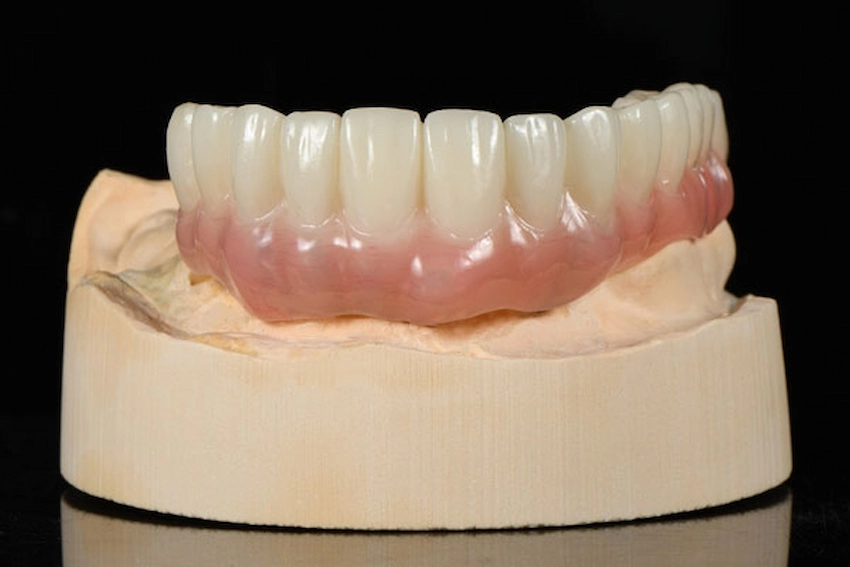
Metode Clinice Actuale
În funcție de starea osului dumneavoastră și de ceea ce doriți, există mai multe modalități prin care vă puteți fixa zâmbetul fără a folosi adezivi lipicioși.-
Rebazare Dură
- Avantaje: Este o metodă rapidă, non-invazivă, iar aderența se îmbunătățește imediat.
- Dezavantaje: Pierderea osoasă nu poate fi prevenită. Cel mai probabil, veți fi nevoit să faceți mai multe ajustări ulterior, deoarece maxilarul dumneavoastră se schimbă continuu.
-
Proteze Supra-Implantare (Soluția „Snap-On”)
-
Implanturi Fixe All-on-4 / All-on-6
Comparație Rapidă: Pe care ar trebui să o alegeți?
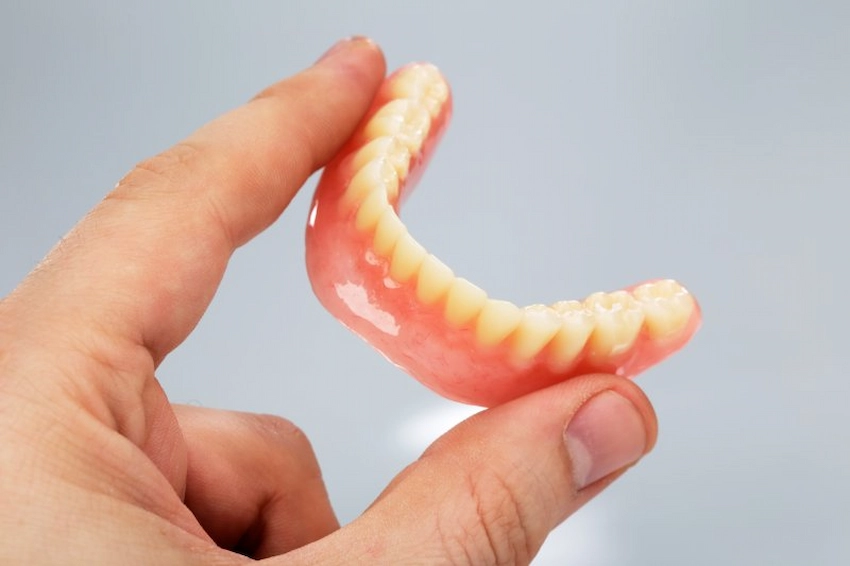
| Opțiune de Tratament | Stabilitate | Previne Pierderea Osoasă? | Comoditate |
| Proteză + Adeziv | Scăzută | Nu | Întreținere Ridicată |
| Rebazare Proteză | Moderată | Nu | Ajustări Regulate |
| Proteză Supra-Implantară Snap-On | Ridicată | Da (în jurul implanturilor) | Detașabilă/Sigură |
| All-on-4/6 | Maximă | Da (Completă) | Permanentă/Fixă |
Cele Mai Frecvente Întrebări în Clinica Noastră
Referințe Academice
- Carlsson, G. E. (2014). Responses of the jawbone to pressure. Gerodontology, 31(1), 2-7.
- Feine, J. S., et al. (2002). The McGill consensus statement on overdentures. International Journal of Prosthodontics, 15(4), 413-414.
- Goodacre, C. J., et al. (2003). Clinical complications with implants and implant prostheses. The Journal of Prosthetic Dentistry, 90(2), 121-132.
- Maló, P., et al. (2011). A longitudinal study of the survival of All-on-4 implants in the mandible with up to 10 years of follow-up. The Journal of the American Dental Association, 142(3), 310-320.
- Thomason, J. M., et al. (2012). Two implant retained overdentures—A review of the literature supporting the McGill and York consensus statements. Journal of Dentistry, 40(1), 22-34.
Întrebări frecvente
Do implants cause pain?
Being comfortable is the most important thing for us. The bone of the jaw has, in fact,t quite a small number of nerve endings. We do this surgery with only local anesthesia or sedation, and recovery for most patients is even easier than tooth extraction.
How long will All-on-4 implants last?
These titanium implants are intended as a lifelong solution. They integrate with your jaw in a permanent manner. On top of them are the teeth, which are strong and long-lasting; however, after about 10 years, they may require a little bit of professional care.
Are snap-on dentures nice-looking?
The answer is affirmative. Every single pair is meticulously designed to harmonize perfectly with each individual's facial features and gum line. Besides being visually blended with the surrounding teeth, they also carry the charm of a natural and delightful smile.
Will implants allow me to eat anything I want?
That's probably the highlight for many people. While traditional dentures only restore about 20% of normal bite force, implant-assisted dentures give you the feeling of nearly 100% different bite strength. You will feel free to eat an apple, juicy steak, and corn on the cob without even thinking about it.
Is bone grafting mandatory?
It is not mandatory always. Even with some bone loss, the All-on-4 system is capable of using your existing bone because the implants are placed at particular angles. We will assess this for you at your 3D scan.