

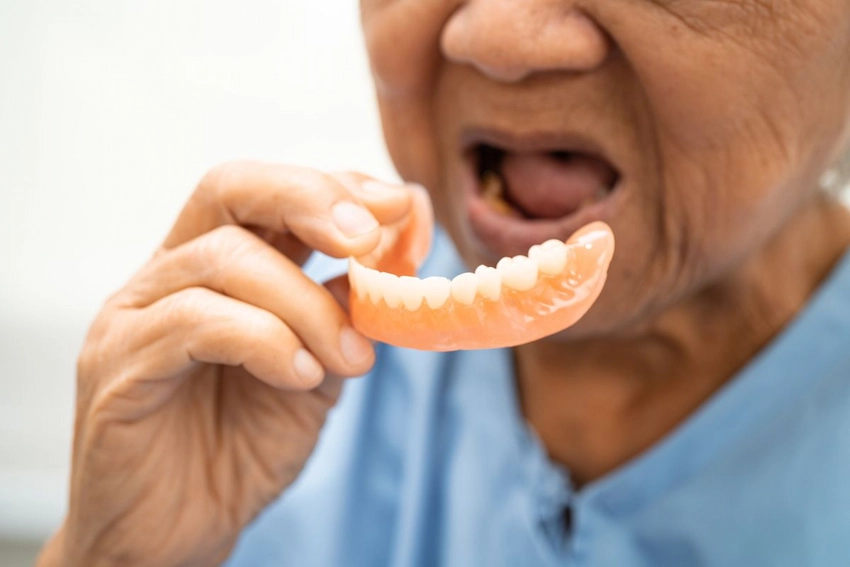
Utover proteselimet: Bedre metoder for å feste protesene dine
Sikre proteser bedre med riktig passform, justeringer, myke foringer eller implantater.
For mange er den pågående bruken av proteselim en stille irritasjon de tåler altfor lenge. Du sprer **festemiddelet**, ber om at det holder seg til du er ferdig med å spise, og om natten renser du den klissete pastaen av tannkjøttet. Faktisk har dagens tannlegepraksis utviklet seg utover bare **midlertidige festemidler**. Her på Lema tannklinikk i Tyrkia har vi gjennom vårt kliniske arbeid sett at pasienter som slutter med **festemiddel** ikke bare får et sterkere bitt, men også en høyere grad av selvtillit. La oss likevel først se hva som forårsaker **proteseglidning**, og deretter hvordan kliniske behandlinger kan gi deg reell trygghet.Hvorfor proteser glir
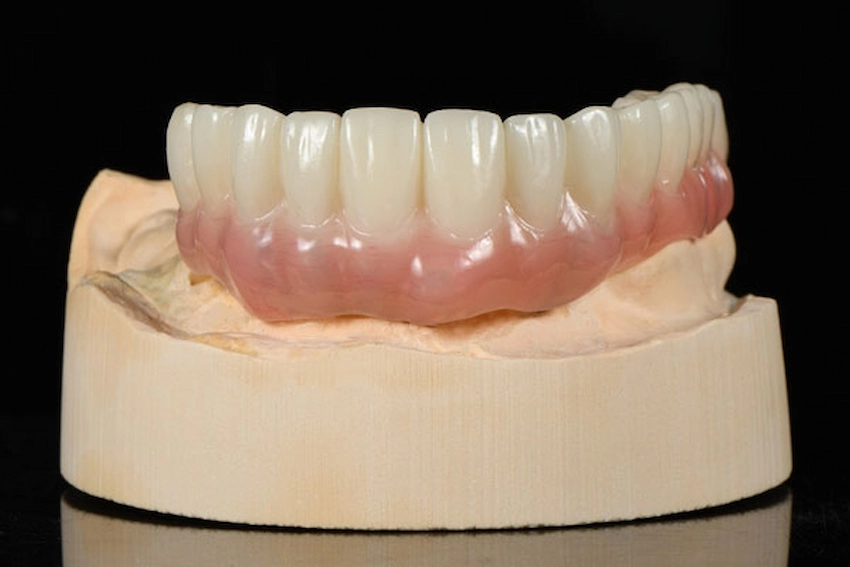
Faktiske kliniske metoder
Basert på tilstanden til benet ditt og hva du ønsker, er det flere måter du kan låse smilet ditt på uten å bruke klissete lim.-
Hard Rebasering
- Fordeler: Det er en rask, ikke-invasiv metode, og suget blir bedre umiddelbart.
- Ulemper: Benresorpsjon kan ikke forhindres. Du vil mest sannsynlig bli nødt til å foreta flere justeringer senere fordi kjeven din kontinuerlig endrer seg.
-
Implantatstøttede overproteser ("Snap-On"-løsningen)
-
All-on-4 / All-on-6 faste implantater
Rask sammenligning: Hvilken bør du velge?
| Behandlingsalternativ | Stabilitet | Forhindrer bentap? | Bekvemmelighet |
| Protese + lim | Lav | Nei | Høyt vedlikehold |
| Proteserebasering | Moderat | Nei | Regelmessige justeringer |
| Snap-On overprotese | Høy | Ja (rundt implantater) | Avtakbar/Sikker |
| All-on-4/6 | Maksimal | Ja (Fullstendig) | Permanent/Fast |
Mest stilte spørsmål i vår klinikk
Akademiske referanser
- Carlsson, G. E. (2014). Responses of the jawbone to pressure. Gerodontology, 31(1), 2-7.
- Feine, J. S., et al. (2002). The McGill consensus statement on overdentures. International Journal of Prosthodontics, 15(4), 413-414.
- Goodacre, C. J., et al. (2003). Clinical complications with implants and implant prostheses. The Journal of Prosthetic Dentistry, 90(2), 121-132.
- Maló, P., et al. (2011). A longitudinal study of the survival of All-on-4 implants in the mandible with up to 10 years of follow-up. The Journal of the American Dental Association, 142(3), 310-320.
- Thomason, J. M., et al. (2012). Two implant retained overdentures—A review of the literature supporting the McGill and York consensus statements. Journal of Dentistry, 40(1), 22-34.
Ofte stilte spørsmål
Do implants cause pain?
Being comfortable is the most important thing for us. The bone of the jaw has, in fact,t quite a small number of nerve endings. We do this surgery with only local anesthesia or sedation, and recovery for most patients is even easier than tooth extraction.
How long will All-on-4 implants last?
These titanium implants are intended as a lifelong solution. They integrate with your jaw in a permanent manner. On top of them are the teeth, which are strong and long-lasting; however, after about 10 years, they may require a little bit of professional care.
Are snap-on dentures nice-looking?
The answer is affirmative. Every single pair is meticulously designed to harmonize perfectly with each individual's facial features and gum line. Besides being visually blended with the surrounding teeth, they also carry the charm of a natural and delightful smile.
Will implants allow me to eat anything I want?
That's probably the highlight for many people. While traditional dentures only restore about 20% of normal bite force, implant-assisted dentures give you the feeling of nearly 100% different bite strength. You will feel free to eat an apple, juicy steak, and corn on the cob without even thinking about it.
Is bone grafting mandatory?
It is not mandatory always. Even with some bone loss, the All-on-4 system is capable of using your existing bone because the implants are placed at particular angles. We will assess this for you at your 3D scan.