

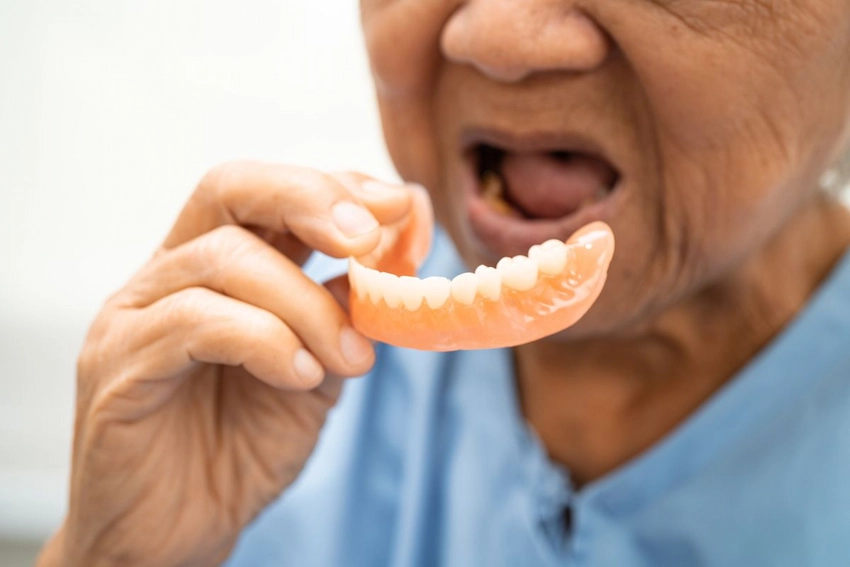
Daugiau nei pasta: geresni dantų protezų fiksavimo būdai
Geriau pritvirtinkite dantų protezus tinkamu pritaikymu, korekcijomis, minkštaisiais pamušalais arba implantais.
Daugeliui nuolatinis protezų klijų naudojimas yra tylus nepatogumas, su kuriuo jie per ilgai taikstosi. Jūs tepate klijus, meldžiate, kad jie laikytųsi, kol baigsite valgyti, o naktį valote lipnią pastą nuo dantenų. Tiesą sakant, šiuolaikinė odontologija pažengė toliau nei vien tik laikini klijai. Čia Lema odontologijos klinikoje Turkijoje, savo klinikiniame darbe pastebėjome, kad pacientai, atsisakę klijų, atranda ne tik stipresnį sukandimą, bet ir didesnį pasitikėjimą savimi. Vis dėlto, pirmiausia išsiaiškinkime, kas sukelia dantų protezų slankiojimą ir tada aptarsime, kaip klinikiniai gydymo metodai gali suteikti jums tikrą saugumą.Kodėl protezai slankioja
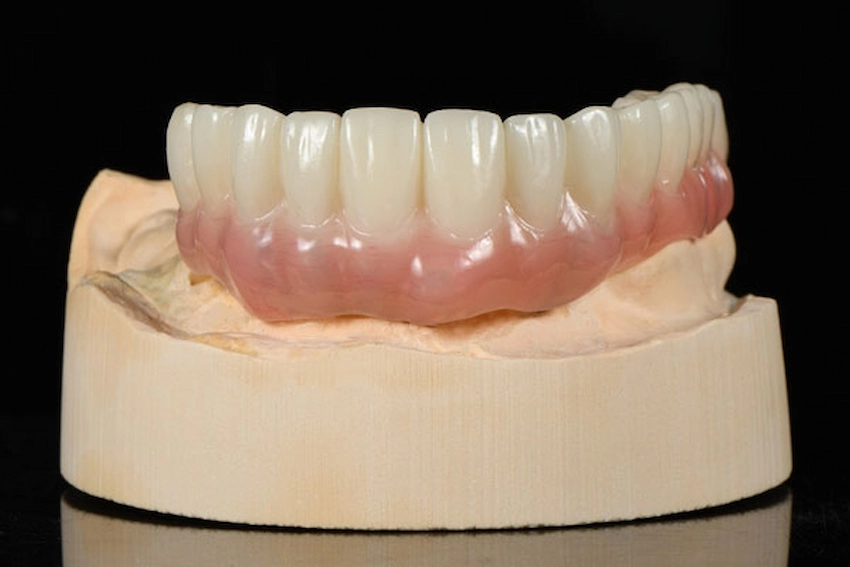
Tikri klinikiniai metodai
Atsižvelgiant į jūsų kaulo būklę ir jūsų pageidavimus, yra keletas būdų, kaip galite užtikrinti savo šypsenos stabilumą nenaudodami lipnių klijų.-
Kietasis perbazavimas
- Privalumai: Tai greitas, neinvazinis metodas, ir sukibimas iškart pagerėja.
- Trūkumai: Kaulų nykimo negalima išvengti. Greičiausiai vėliau teks atlikti daugiau korekcijų, nes jūsų žandikaulis nuolat keičiasi.
-
Implantais palaikomi užklotiniai protezai (sprendimas „užfiksuojamas“)
-
„All-on-4“ / „All-on-6“ fiksuoti implantai
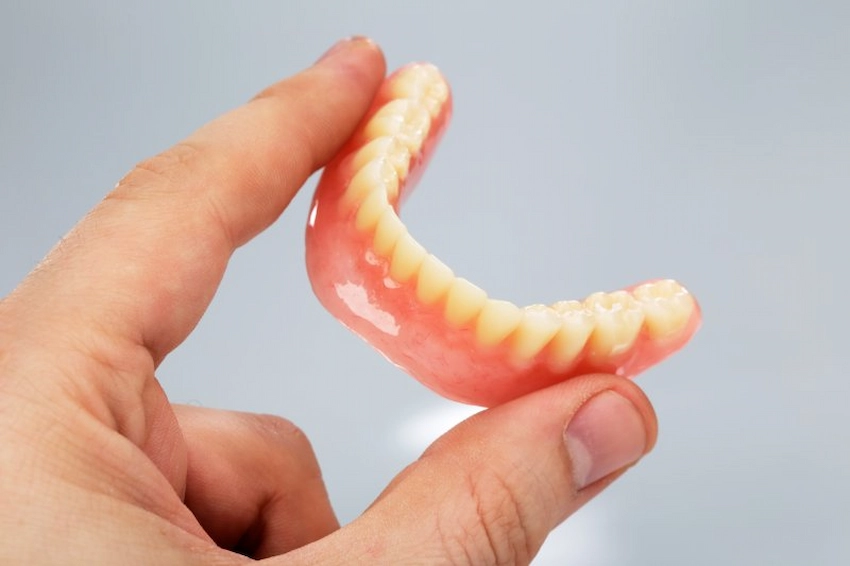
Greitas palyginimas: Kurį pasirinkti?
| Gydymo galimybė | Stabilumas | Ar apsaugo nuo kaulų nykimo? | Patogumas |
| Protezas + klijai | Žemas | Ne | Reikalauja daug priežiūros |
| Protezo perbazavimas | Vidutinis | Ne | Reguliarūs koregavimai |
| Užfiksuojamas užklotinis protezas | Aukštas | Taip (aplink implantus) | Išimamas/Saugus |
| „All-on-4/6“ | Maksimalus | Taip (visiškai) | Nuolatinis/Fiksuotas |
Dažniausiai užduodami klausimai mūsų klinikoje
Mokslinės nuorodos
- Carlsson, G. E. (2014). Responses of the jawbone to pressure. Gerodontology, 31(1), 2-7.
- Feine, J. S., et al. (2002). The McGill consensus statement on overdentures. International Journal of Prosthodontics, 15(4), 413-414.
- Goodacre, C. J., et al. (2003). Clinical complications with implants and implant prostheses. The Journal of Prosthetic Dentistry, 90(2), 121-132.
- Maló, P., et al. (2011). A longitudinal study of the survival of All-on-4 implants in the mandible with up to 10 years of follow-up. The Journal of the American Dental Association, 142(3), 310-320.
- Thomason, J. M., et al. (2012). Two implant retained overdentures—A review of the literature supporting the McGill and York consensus statements. Journal of Dentistry, 40(1), 22-34.
Dažniausiai užduodami klausimai
Do implants cause pain?
Being comfortable is the most important thing for us. The bone of the jaw has, in fact,t quite a small number of nerve endings. We do this surgery with only local anesthesia or sedation, and recovery for most patients is even easier than tooth extraction.
How long will All-on-4 implants last?
These titanium implants are intended as a lifelong solution. They integrate with your jaw in a permanent manner. On top of them are the teeth, which are strong and long-lasting; however, after about 10 years, they may require a little bit of professional care.
Are snap-on dentures nice-looking?
The answer is affirmative. Every single pair is meticulously designed to harmonize perfectly with each individual's facial features and gum line. Besides being visually blended with the surrounding teeth, they also carry the charm of a natural and delightful smile.
Will implants allow me to eat anything I want?
That's probably the highlight for many people. While traditional dentures only restore about 20% of normal bite force, implant-assisted dentures give you the feeling of nearly 100% different bite strength. You will feel free to eat an apple, juicy steak, and corn on the cob without even thinking about it.
Is bone grafting mandatory?
It is not mandatory always. Even with some bone loss, the All-on-4 system is capable of using your existing bone because the implants are placed at particular angles. We will assess this for you at your 3D scan.