Using a toothbrush to clean your teeth sounds simple, doesn’t it? However, this is something that most people do wrong. Unfortunately, most people think that they are brushing as they should, when, in fact, they are either brushing too fast and not cleaning thoroughly or using too much force, which leads to damaging their teeth. The proper way of cleaning the teeth is the first step to be done in the fight against cavities, periodontal disease, and, also, the most unwanted bad breath that comes from you in the morning.
Nobody has a Hollywood Smile by only brushing. To get whiter teeth, you will need to adopt other measures like those offered at Lema Dental Clinic. It doesn’t make sense just to brush without the right technique and without regularly doing it in the right way. You need to have your dental tools and be consistent in the process. In that way, you will definitely have a healthy and beautiful smile. Let’s see…
Why Matter of Factly to Brush Technically Correctly?
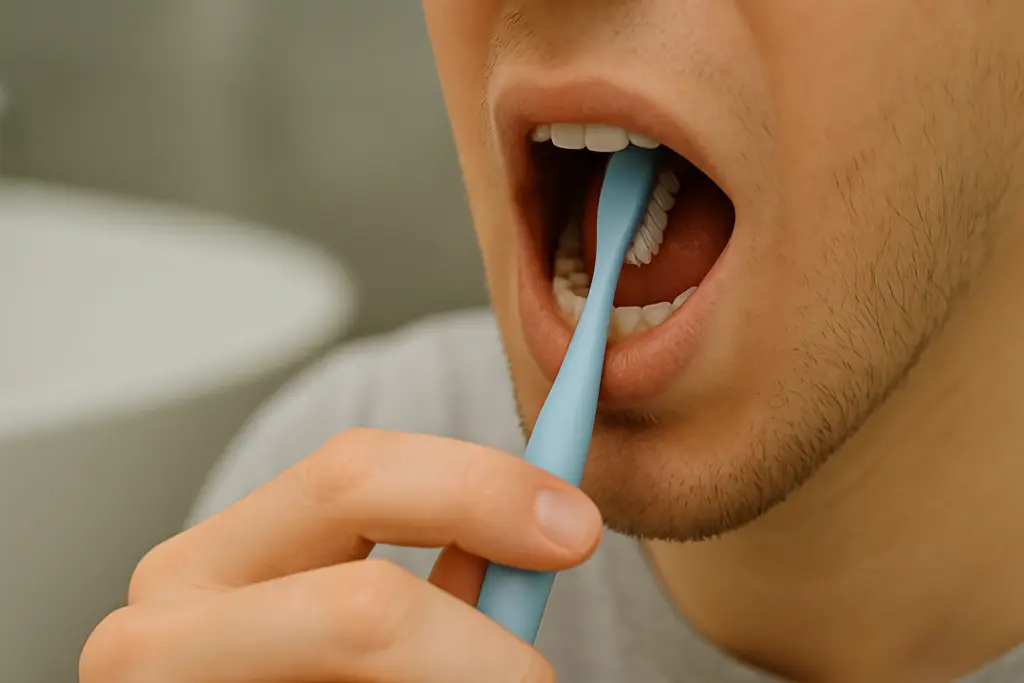
Due to their position, form, and depth, teeth have these natural, small lines, fissures, and surfaces that need to be kept clean – and if you are using a very rough back-and-forth movement with the brush to clean them, you will miss spots completely! By using the proper brushing technique, you are ensuring that each and every tooth is subjected to a thorough cleaning, and even teeth that are way back in our mouths and that we often forget to brush are also taken care of. Furthermore, proper brushing also works to prevent gum problems that may also occur, among other issues.
Wrong brushing habits are not just a cause of cavities, but teeth and gum diseases as well. The gross yellow stains, for instance, are a good demonstration of the impact of such a mistake. Other examples of dental problems that are caused by bad brushing habits include gum inflammation, halitosis, and in more severe cases even the loss of bone mass. High-level brushing not only makes your tooth enamel shine but also solidifies your smile from any future decay.
Steps for Proper Incisors Rubdown
- A pea-sized amount of fluoride toothpaste is to be used. More cannot be better.
- Position your brush at a 45-degree angle to the gumline and make small circular motions with it. Do not scrub too hard!
- Be sure to clean the outer, inner, and chewing surfaces of your teeth.
- The tongue is a place where bacteria feel very comfortable and may even, on occasion, use it to replicate.
- Spit out the toothpaste but do not rinse. The saliva left in the mouth gradually releases fluoride, making the teeth stronger.
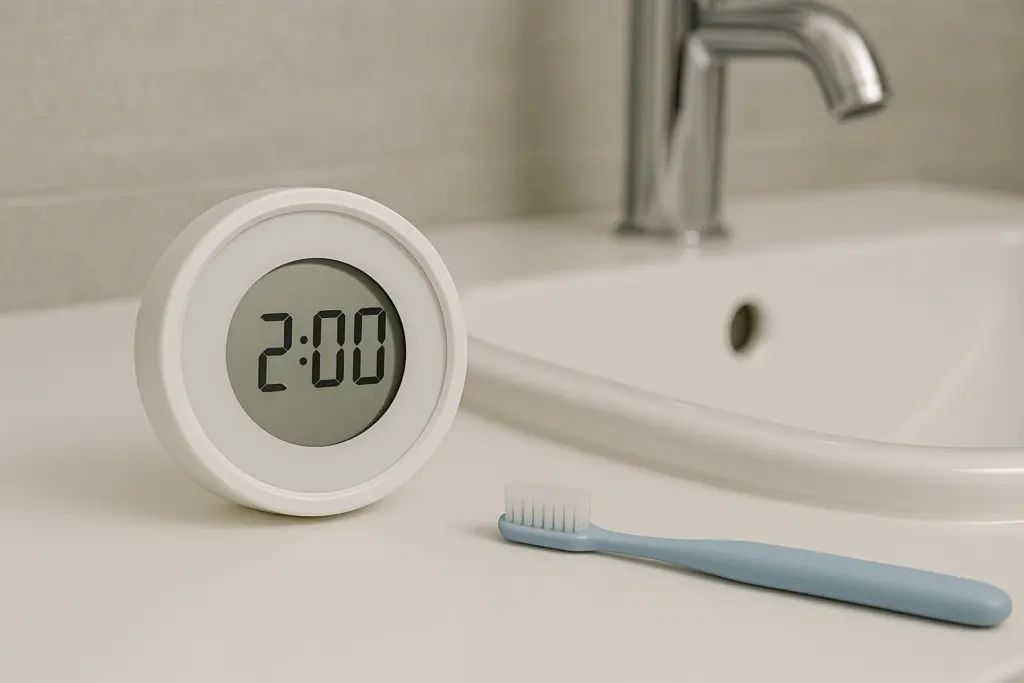
Spending 2 minutes brushing your teeth twice a day can become an interesting experience. You can use a timer or concentrate on a song. It’s not about how fast you are doing it — it’s about you loving yourself.
Common Mistakes People Make While Brushing
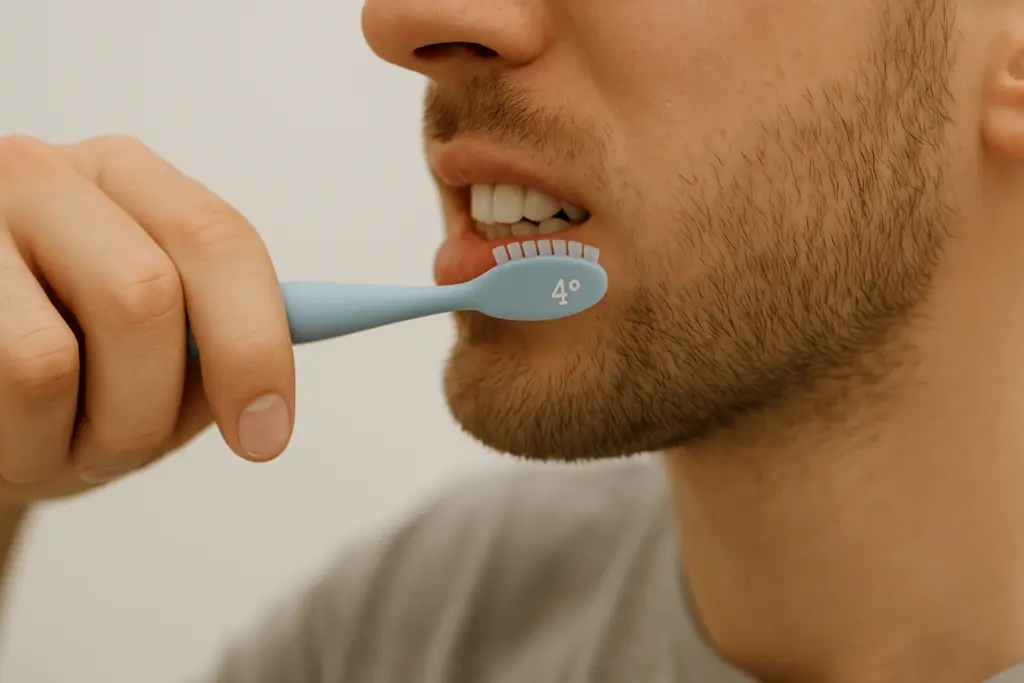
At the top of the list would be brushing too hard. This is one of the great mistakes in the process. People usually underestimate a soft touch and a proper technique to gain better results rather than brute force. In fact, applying more pressure might even wear down your enamel and cause damage to your gums.
In another common mistake, not changing your toothbrush frequently is severe. The bristles lose their shape and thus cannot clean the teeth properly. It is suggested by dentists that one should replace their toothbrush every 3 months, or even more often if the bristles look frayed. At the same time, if you don’t brush your teeth before sleeping, it is going to be a very bad decision because bacteria work all night.
How Long and How Often Should You Brush?
Observe the standard: brush for two minutes, in the morning and at night. By doing this, you can look forward to the strengthening of your teeth, and at the same time, the plaque will be completely removed. Brushing teeth for a minimum of 2 minutes less often than twice daily will allow some poisonous bacteria to remain. Whereas, more frequently than that, especially if you brush aggressively, causes your enamel to wear off.
To help your oral care, it is a good idea to have a timer, use a brushing app, or get an electric toothbrush that has an inbuilt timer.
Now, unleash the natural beauty of your teeth by giving them proper, consistent care every day. They make your smile.
Brushing Tips for Different Age Groups and Dental Needs
At customary times, kids can learn more easily about brushing and their gums if they use a small-sized toothbrush with soft bristles and toothpaste that offers them fun flavors to choose from. The parents also have to help until the child is capable of spitting, and in fact, they have completed the two minutes of brushing their teeth.
For the adolescent age group, things like using braces, eating too many sweets, and the unwillingness to brush are some of the problems experienced. They should be introduced to electric toothbrushes and fluoride mouth rinses to prevent tooth decay. Furthermore, using an orthodontic appliance, they can maintain their good oral health and hygiene.
In the case of adults, their challenge is to look for the best oral care products that cater to the health of their gums and teeth. There are special toothbrushes in case of hypersensitivity or when someone wants to whiten the teeth. Old people might be in need of heads that are made more friendly to their hands and dry mouth toothpaste. These are based on the individual’s professional opinion, and the appropriate ones should be chosen. However, if the interlocutor’s needs in terms of the toothpaste brand and other necessary products have changed, his dental routine should be altered, too.
FAQ: How to Brush Your Teeth Properly
Use a soft-bristled toothbrush at a 45-degree angle to the gumline. Brush in gentle circles, covering all surfaces for two minutes.
Dentists recommend two full minutes — 30 seconds for each quadrant of your mouth.
It’s best to wait 30 minutes after eating, especially if you had something acidic. Brushing too soon can harm enamel.
Yes! Brushing too hard can wear down enamel and cause gum recession. Gentle pressure is more effective and safer.
A soft-bristled brush, manual or electric, is ideal. Electric toothbrushes often make proper technique easier and more consistent.