


Eat soft foods like soup, yogurt, and mashed potatoes.
Done! The surgery has been successfully performed. You have gauze in your mouth. You are now officially on your healing journey. The concern is: how do you feed your body when your mouth feels like a construction site?
This is what happens in the clinic: most patients focus only on the surgery, neglecting the fact that the real repair happens at home. You can use the food you consume to help with healing or, conversely, cause discomfort.
Let’s imagine that you have laid fresh concrete and are waiting for it to solidify and be safe to drive on. So it is a healing blood clot inside your Tooth socket, which should not be disturbed by any force; otherwise, the clot will be lost, and the bone and nerves will be exposed. This painful condition is called dry socket.
In our opinion at Lema Dental Clinic in Turkey, what you eat is the primary factor in speeding recovery and improving comfort. Professor Doctor Coşkun Yıldız observes patients’ behavior and notes similarities between those on strict diets and those with problems. Patients who limit themselves to Soft foods have less swelling than those who have soft foods alongside other foods. The latter may, however, also experience more painful setbacks.
Let’s take a look at the ideal foods that will speed up healing and keep you pain-free.
Phase 1: Cold and Blended Diet (Day 1 & 2)
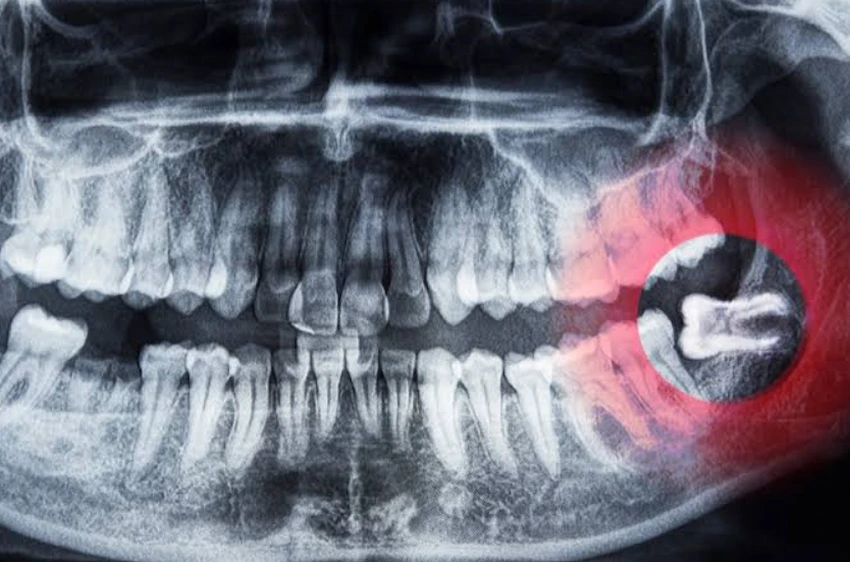
During the first 48 hours, your priority is only to guard the sites and minimize swelling.
The bottom line is, your mouth is going to be numb. Hence, chewing is very risky. You need something that requires no chewing at all. Cold foods are your best bet here. In fact, they are your only choice. They constrict your blood vessels and decrease swelling very efficiently.
Most Suitable Foods:
- Smooth fruit shakes: Make sure they are supersmooth by blending them thoroughly. Don’t use fruits like strawberries or raspberries that have tiny seeds, as seeds are prone to get stuck in fresh wounds easily.
- Greek yogurt is loaded with protein, which you will need to rebuild your tissues. Also, the fact that it’s cool means it is soothing for sore gums.
- Applesauce: It is very easy to swallow. You can also have a natural, generous dose of vitamin C.
- Warm bone broth: It contains many minerals. It’s very important to serve a bowl just at the stage where it is warm but not hot.
Also, how to consume these should be considered. Polen Akkılıç and her team always remind people of one golden rule. Don’t use a straw. Sucking from a straw is quite comparable to using a large vacuum. This will easily remove your healing blood clot from your gums. A spoon or cup drinking will therefore be your best choice.
Phase 2: Semi-Soft Transition Period (Days 3 to 5)
A time frame of about 3 days is when most people experience the greatest swelling, and the tissues feel weakest. The foundation is becoming stronger by now. You may start eating very soft solid food, the sort that hardly requires mastication.
Good Food for the Transition:
- Scrambled eggs: Light, easy to swallow, and loaded with protein.
- Boiled potatoes with the skin peeled and very creamy are the best comfort food. They should be of the right consistency, absolutely smooth and warm.
- Avocado: Loaded with healthy fats, when made into a smooth, easily digestible paste, it becomes a very good food choice.
- Soft pasta: You can think of it as something like macaroni or rice-shaped pasta that has been overcooked until it becomes very soft.
Only use your front teeth to bite, or chew on the area of the mouth that was not involved in any operations.
The Healing Roadmap in One Snapshot
This is an illustrative summary of how your dining habits will change at each of your healing stages.
| Recovery Stage | Diet Advice | Don’t Touch / Don’t Drink | The Reason for Our Recommendation |
| Day 1-2 | Smoothies, plain yogurt, applesauce, pudding | Very hot soup, tiny seeds, straws, and anything that comes to you in a solid piece | Takes good care of the fragile clot and quickly reduces swelling. |
| Day 3-5 | Scrambled eggs, creamy potato, soft pasta | Sticky bread, food with lots of spices, citrus fruits with high acid content | Supports jaw movement but not enough to cause the soft tissues to tear. |
| Day 6 & 7 | Soft chicken, flaky fish, soft veggies | Crunchy/nutty/chipy things and tough meats | Maintains a safe environment for healing, as there’s little risk of food debris getting trapped near the socket. |
The Things to Definitely Stay Clear of
For us, healing in Turkey means the complete absence of disruptions. To make this the case, here is what you simply need to steer clear of for the entire first week.
- Spicy Food: Strong flavors cause the wound, still in its recovery phase, to get inflamed.
- Acidic Food: Fresh wounds, already quite irritated, become further irritated if one uses tomatoes, lemons, or anything similar.
- Crunchy/Crumby Food: A bit of a problem! These things will turn into tiny sharp bits. Imagine them as little glass fragments. These would get stuck in the gaps, causing the infection.
- Alcohol & Cigarettes: Both these factors interfere with the body’s ability to regenerate. They cause a dry socket very easily.
Frequently Answered Questions
How long before I can have solid food again?
One reason the normal way of eating can take time to settle in for most is the time factor involved. Generally, around 7-10 days after surgery, patients can start eating regular foods. Pay attention to your body cues. If chewing causes pain, hold back for a while. Just enjoy soft foods for a few more days.
After removal, can I enjoy a bit of coffee?
For 48 hours, it is best not to touch hot coffee; excessive heat will not only be harmful to the clot but also cause more bleeding. However, in case of very strong desire for a bit of caffeine, you can have chilled coffee – but remember not to resort to a straw!
Why am I advised against using a straw?
Mouth vacuum from sucking can dislodge the healing blood clot. As a result, a dry socket is very likely. It is best to drink from a glass!
What if something gets stuck in the socket of the tooth removal?
No need to be anxious or to do anything drastic – don’t use a toothpick or a finger just to see the damage. Starting after day 48, if you still have the item lodged, go ahead and gently rinse your mouth with a salt/water solution. The saltwater will help naturally and safely clear the area without causing damage.
Is it okay not to feel like eating post-surgery?
It can happen, totally. Being numb, having a swollen mouth, or being under the influence of post-surgery medication are among the reasons you may not feel hungry at all. Your organism is just not in a state where you are driven to put food in your mouth. But you should not forget that your body still requires nourishment and energy to heal properly right after surgery. So, try to consume some liquid meals, like protein shakes, that will help you maintain your energy levels.
Academic References
- Hupp, J. R. (2018). Postoperative management of third molar extractions. Oral and Maxillofacial Surgery Clinics of North America, 30(4), 431-436.
- Renton, T., & McGurk, M. (2001). Evaluation of factors predictive of dry socket: A retrospective study. British Journal of Oral and Maxillofacial Surgery, 39(6), 428-433.
- Bouloux, G. F., Steed, M. B., & Perciaccante, V. J. (2007). Complications of third molar surgery. Oral and Maxillofacial Surgery Clinics, 19(1), 117-128.
- Braimah, R. O., Ndukwe, K. U., & Owotade, F. J. (2013). Nutritional status and wound healing after third molar surgery. Journal of the Korean Association of Oral and Maxillofacial Surgeons, 39(6), 269-274.
- Dodson, T. B., & Susarla, S. M. (2014). Impacted wisdom teeth. BMJ Clinical Evidence, 2014, 1302.

