


Wisdom teeth recovery usually takes 3–7 days, but full healing may take a few weeks.
Most patients inquire about the recovery period right away. Life plans like your meals and return to work can’t wait, so you ask right then! Wisdom tooth extraction is, in fact, a proper surgical operation. Your body requires enough time to heal properly.
If you come to Turkey for your dental work and get a wisdom tooth extracted, you will be asking yourself a question: how many days do I have to rest before flying back? In this post, we will explain it all to you in detail – based on our daily findings at our clinic. It is very possible that even after a week, you might observe that your gums have fully healed, but let’s dive deeper to understand the situation a little better.
Healing the Foundation
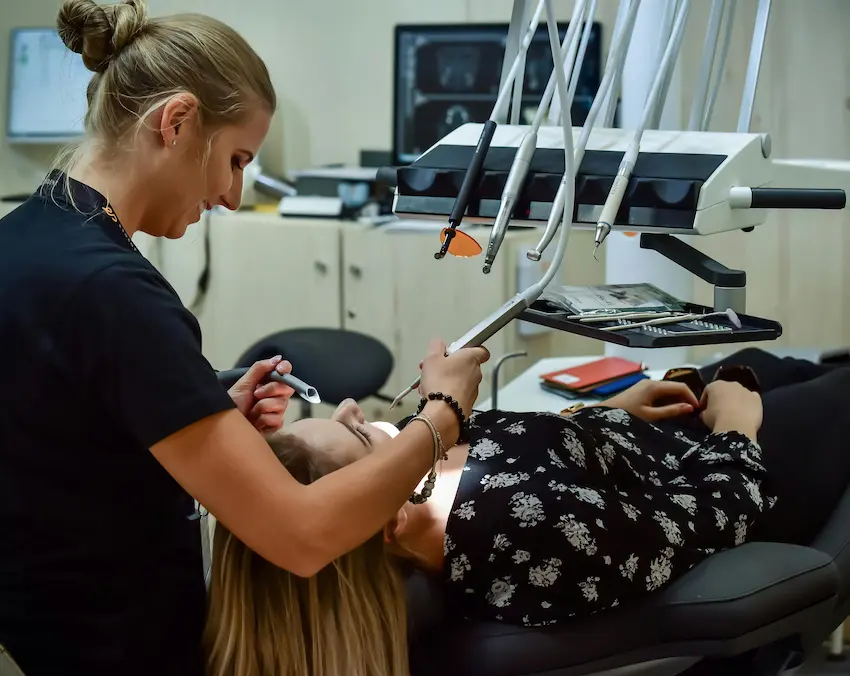
Imagine your jawbone as the foundation of a house. Your gums are nothing but the carpet on your floor. When the wisdom tooth is out, it leaves a small hole in the jawbone, which is quite an important part for proper healing.
That carpet (your gums) covering the floor will not get you in trouble, as it will patch over the hole much faster, which normally takes you only 7 to 14 days. Beneath those carpets (bones), it takes significantly longer to repair and recover. It may take even months for the bones to be solidified and fill the space.
The three-step recovery plan based on our Lema Dental Clinic experience at a glance:
First 3 Days: Stability Period
Your healing during these days involves stabilizing, as this period allows you to rest. A blood clot forms around the socket created after tooth removal.
- Swelling: You can get very swollen cheeks because it is quite normal for your body to bring healing cells to the area.
- Pain: A gentle to moderate pain of an aching kind is all that your body will be capable of showing the world.
- Food: This is a time of day when liquid and very soft foods must make up your diet.
Professor Dr. Coşkun Yıldız has often said that patients who rest the most during these first three days heal much more quickly in the long run. To help you further, your best bet would be a cold pack and keeping your head slightly up.
Days 3 to 7: Improvement Stage
Days 4 and beyond will be your healing period, as swelling rapidly decreases, jaw stiffness starts to disappear, and you gradually feel more like yourself.
Dentist Polen Akkılıç and her team keep a vigilant eye on this period. We are conducting checks to confirm the gums are closing securely over the gap. Now you can start taking in slightly harder foods such as scrambled eggs or soft pasta, but be careful: you still have to completely avoid anything with crunch, such as potato chips or bread, for example, as the little crumbs may get stuck and spoil the whole recovery phase.
Weeks 2 to 4: The Deep Healing Process
“Am-I-completely-Healed-Yet?” is a common question that a group of patients tends to ask. Outwardly, you have got the signal. You can carry on your usual dietary habits. You can talk without being stiff or anything else. You can live your life without taking painkillers.
Internally, things are happening that you don’t see. The bone will slowly but surely grow and get strong until the socket is filled with healthy bone.
A Recovery Timeline Comparison at a Glance
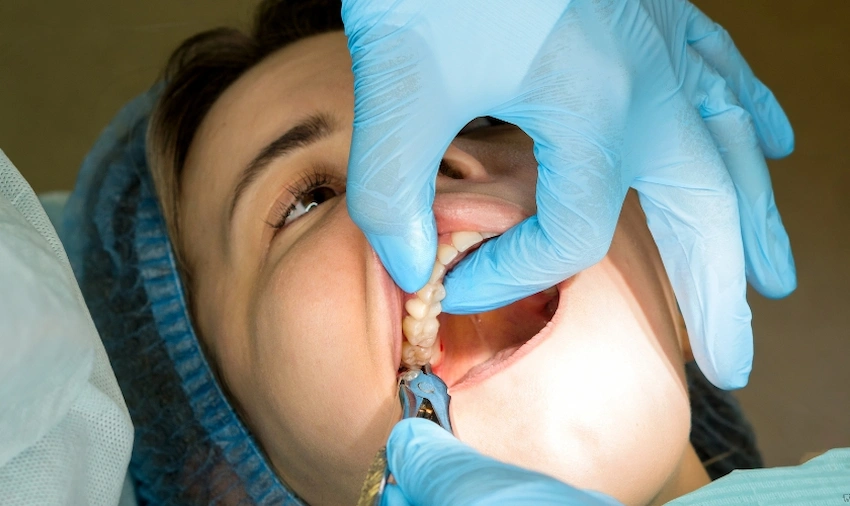
Here is the easiest way to explain to you how your body recovers at different stages of time:
| Phase of Healing | Duration | What Goes On Internally | How You Feel |
| Phase I – Stabilization | 1-3 Days | Formation of a blood clot in the socket, with the body sending healing cells. | Face Swollen – Minor pain – Jaw stiff |
| Phase II – Gum Healing | 1 – 2 Weeks | Regrowth of the gum tissue over the empty area. | Slight swelling still there, pain when you chew. |
| Phase III – Bone Healing | 3 – 6 Months | Healthy, hard, and new bone is formed in the deep hole of the jaw. | Completely painless. No pain at all. |
Frequently Asked Questions
Am I allowed to have my coffee the next day?
My suggestion to my patients is always to avoid hot coffee in the first two days. The warmth has the potential to melt the delicate blood clot we’ve worked so hard to create. If you absolutely must drink coffee, then do so with ice, but bear in mind – don’t use a straw! Sucking on a straw will be enough to pull the clot right out!
When will I be able to start eating solid foods again?
On the third or fourth day, solid and soft foods may be tried. You could, for example,e have soft fish, mashed potatoes, pancakes, etc. However, you will have to wait at least one full week, or even two, before you go back to foods like hard nuts, chips, or crusty bread, which are really not advisable when you have just extracted your tooth!
How do I know if I got a dry socket?
Dry socket is characterized by severe, throbbing pain that seems to radiate to the ear on one side. Usually, a dry socket happens on days 3-4 when the blood clot gets dislodged. If your pain was getting gradually less but then you suddenly find yourself in agony again, call the clinic immediately. Our solution is a special ointment that is quickly applied to the area and which instantly puts an end to the pain.
Is it normal for my cheek to be swollen?
Absolutely yes. It is perfectly normal for your cheek to be swollen. Swelling, per se, does not imply an infection. It just means that your body’s immune system is doing its job – helping you get well. By around day two, swelling reaches a peak and then gradually decreases. To help with swelling, we recommend resting on an incline with a couple of extra pillows.
Can I return to my home country from Turkey very early?
We ask our patients to stay in Turkey for 3 to 5 days after the wisdom tooth surgical procedure. Changes in air pressure during a flight might negatively affect your healing jaw, so we want to ensure that you complete the early healing stage of your recovery before your flight.
Academic References
- Bouloux, G. F., Steed, M. B., & Perciaccante, V. J. (2007). Complications of third molar surgery. Oral and Maxillofacial Surgery Clinics of North America, 19(1), 117-128.
- Haug, R. H., & Perrott, D. H. (2001). The impact of age on the morbidity associated with third molar removal. Journal of Oral and Maxillofacial Surgery, 59(8), 859-866.
- Dodson, T. B., & Susarla, S. M. (2014). Impacted wisdom teeth. BMJ Clinical Evidence, 2014, 1302.
- Ruta, D. A., Bissias, E., & Ogston, S. (2000). Assessing health outcomes after extraction of third molars: the postoperative symptom severity (PoSSe) scale. British Journal of Oral and Maxillofacial Surgery, 38(5), 411-417.
- Adeyemo, W. L., James, O., & Ogunlewe, M. O. (2008). Indications for extraction of third molars: a review of 1763 cases. Nigerian Postgraduate Medical Journal, 15(1), 42-46.

