

Yumuşak Astarlı Protezde Yapıştırıcı Kullanılır Mı?
Yumuşak astarlı protezle protez yapıştırıcısını yalnızca diş hekiminiz onaylarsa kullanın.
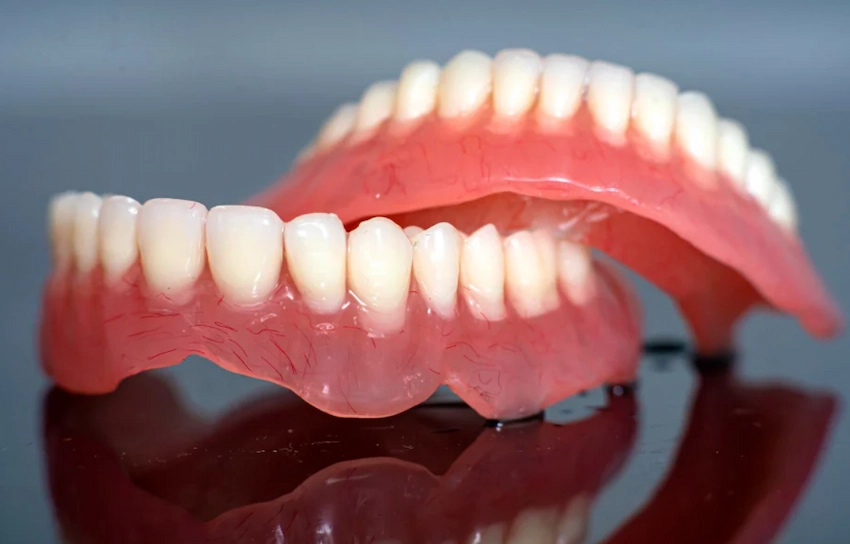
Diş muayenesinden yeni çıktınız. Diş etleriniz hâlâ iyileşme aşamasında. Rahatlık sağlamak amacıyla protezinize yumuşak bir dolgu yapıldı. Isırdığınızda protezin hâlâ biraz gevşek olduğunu hissediyorsunuz. Doğal olarak, "Yumuşak dolgu ile birlikte protez yapıştırıcısı kullanılabilir mi?" diye sormaya başlıyorsunuz. Aslında, protez yapıştırıcısı ile yumuşak dolgunun bir arada kullanılması diş protezinize neredeyse kesinlikle zarar verecektir. Bunun nasıl olacağını daha iyi anlamak için, okuyucuların yumuşak dolgunun yapısı ve çalışma prensibi hakkında biraz bilgi sahibi olmaları faydalı olabilir. Yumuşak dolgu, yumuşak bir yastık görevi gören esnek bir silikon tabakadır. Tıpkı yatakta kullanılan hafızalı köpük pedler gibi, yumuşak ve esnektir. Standart bir protez akrilik tabanının sertliği, atrofiye uğramış veya hassas çene kemikleri için oldukça şaşırtıcıdır. Bu nedenle, esnek, gözenekli silikondan yapılmış yumuşak bir protez dolgusu, diş çekimi veya implant ameliyatlarından sonra diş eti dokularının iyileşmesini kolaylaştırmak için güvenle kullanılabilen bir protez yastığı olarak daha iyi bir seçenektir. Bunu daha iyi anlamak için silikon malzemenin özelliklerine yakından bakmak gerekir. Bunlardan biri yüksek gözenekliliktir ve bu da malzemenin nefes almasını ve nemi emmesini sağlar.Yumuşak Protez Astarı, Protez Yapıştırıcısı Kullanımıyla Nasıl Tahrip Olur?
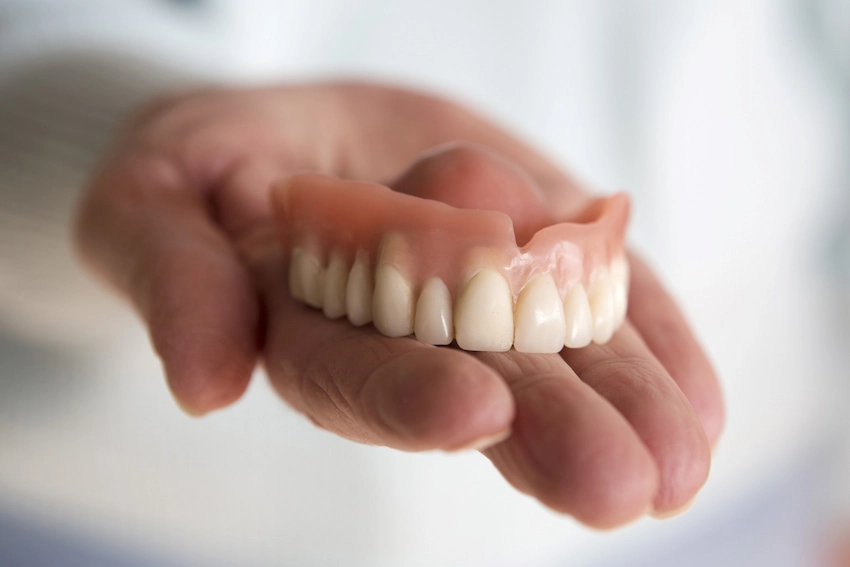
Protezlerin Stabilitesi: Protez Stabilite Seçenekleri
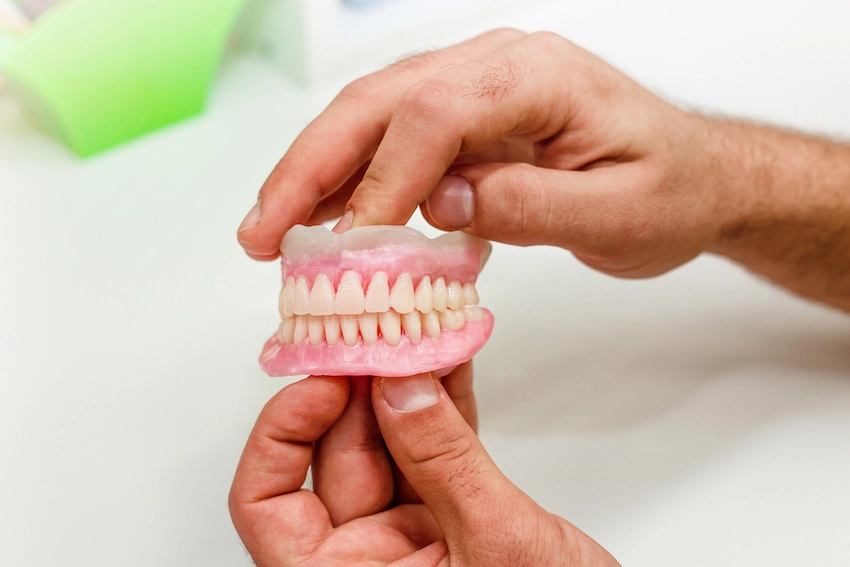
| Özellik | Yumuşak Besleme | Sert Besleme | Protez Yapıştırıcısı |
| Özellikler | Diş eti dokusunu da iyileştiren geçici bir protez konfor tabakası. | Daha iyi bir protez uyumu için protezin uzun süreli uyumunu ve yapısal stabilitesini sağlar. | Yalnızca sert akrilik protezler için geçici günlük tutucu görevi görür. |
| Ortalama Ömür | Genellikle 3 - 6 ay. | Genellikle 1 ila 2 yıl. | Yalnızca 12 ila 24 saat. |
| Etkileşim | Herhangi bir protez yapıştırıcısı uygulanırsa yumuşak malzemeyi tahrip eder. | Sert akrilik protezlerle kullanımı güvenlidir. | Uygulanamaz. |
Sıkça Sorulan Sorular
Akademik Referanslar
- Zarb, G. A., Hobkirk, J., Eckert, S., & Jacob, R. (2013). Dişsiz Hastalar İçin Protetik Tedavi: Tam Protezler ve İmplant Destekli Protezler (13. baskı). Mosby.
- Murata, H., Hong, G., Hamada, T., & McCabe, J. F. (2008). Doku düzenleyicilerin ve yumuşak astar malzemelerinin dinamik viskoelastik özellikleri. Protetik Diş Hekimliği Dergisi, 99(1), 74-81.
- Kulak-Ozkan, Y., Kazazoglu, E., & Arikan, A. (2003). Yumuşak besleme malzemelerinin klinik değerlendirmesi. Avrupa Protetik Diş Hekimliği ve Restoratif Diş Hekimliği Dergisi, 11(4), 163-166.
- Chladek, G., Zmudzki, J., & Kasperski, J. (2014). Uzun süreli yumuşak protez astar malzemeleri. Malzemeler, 7(8), 5816-5842.
- Garcia, L. T., Bohnenkamp, S. G., & Rudd, K. D. (2014). Kratochvil'in Hareketli Bölümlü Protez Temelleri. Quintessence Yayıncılık.
Sıkça sorulan sorular
Why do my dentures feel loose even after a soft reline is done?
When the soft dental reline is placed, it is to care for the gums that are undergoing a shrinking process. The case is such that if you have had a tooth extraction lately, your jaws are undergoing significant morphing, and your jaw will gradually start becoming thinner and shorter. The soft material of the reline is used as a cushion while you have this transition period. Once you start going down without swelling, the gap becomes available again. To address the problem properly, do not simply hide it with your denture glue but take it into professional consideration by visiting your clinic again,n and we’ll do a suitable modification of your reline.
Is it okay to apply powder-type denture adhesive on a soft reline?
Don’t use any kind of adhesive. Though it may appear powder is easier on your teeth than it is, the truth is that it will still transform into a sticky glue when it becomes mixed with your saliva. That sticky glue can easily fill every little pore in a soft reline just as effectively as the super-dry glue will. That glue-like substance will be locked tight there, permanently changing your smooth surface.
How do I clean my soft denture reline without harming it?
You have to be really careful. First of all, brush it with an ultra-soft toothbrush and a denture foam specially formulated for this task. Avoid brushing with ordinary toothpaste, as it contains abrasive ingredients that could damage the silicone. Also, unless your dentist has clearly and specifically approved of the brand, refrain from soaking the denture in effervescent tablets overnight.
When should I consider replacing my soft dental liner with a hard one?
The normal period for changing from a soft denture reline material to the hard one is between 6 months and 6 months. A soft dental reline is only an intermediate solution to the problem. Once your gum tissue has recovered 100% in Turkey after a dental treatment, we can take a new impression to create for you a hard reline of the denture for a permanent fit.
But what if relines and denture paste aren’t working for me anymore?
After a certain period, it’s quite likely that the jawbone will get so weak that a traditional denture won’t even stick. At that stage, the best solution is to get implant-supported dentures. As we insert titanium rods into the jawbone, we can then secure the denture firmly in place, and you’d no longer need any form of denture adhesive.