

Vai drīkst lietot protēžu līmi ar mīksto pārbāzi?
Lietojiet protēžu līmi ar mīksto bāzes pārbūvi tikai tad, ja to apstiprina jūsu zobārsts.
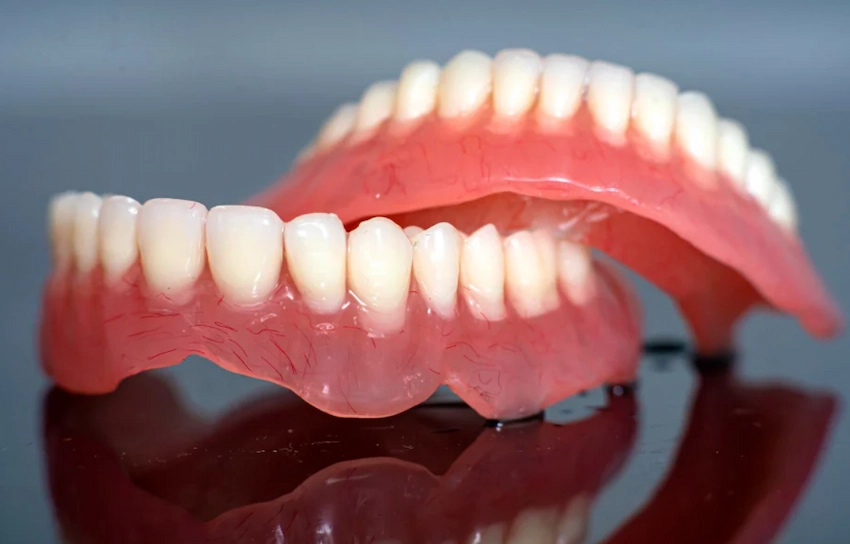
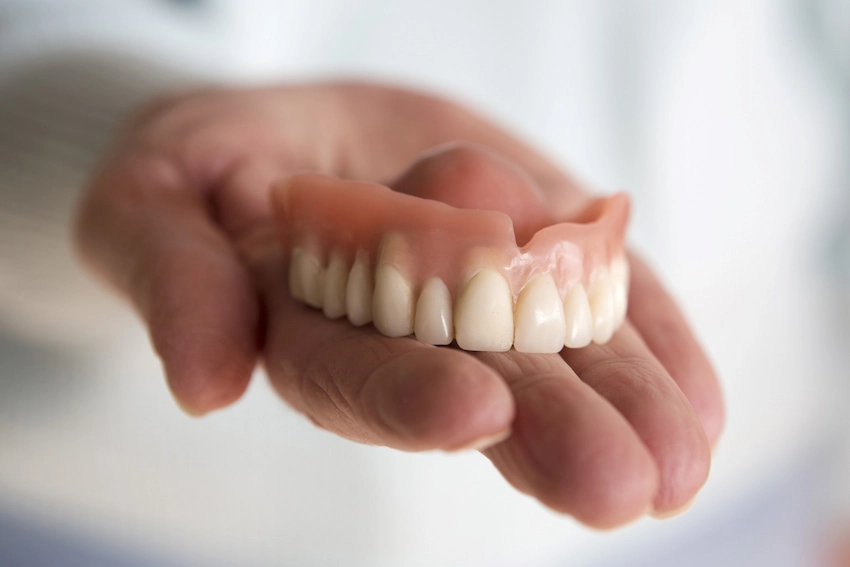
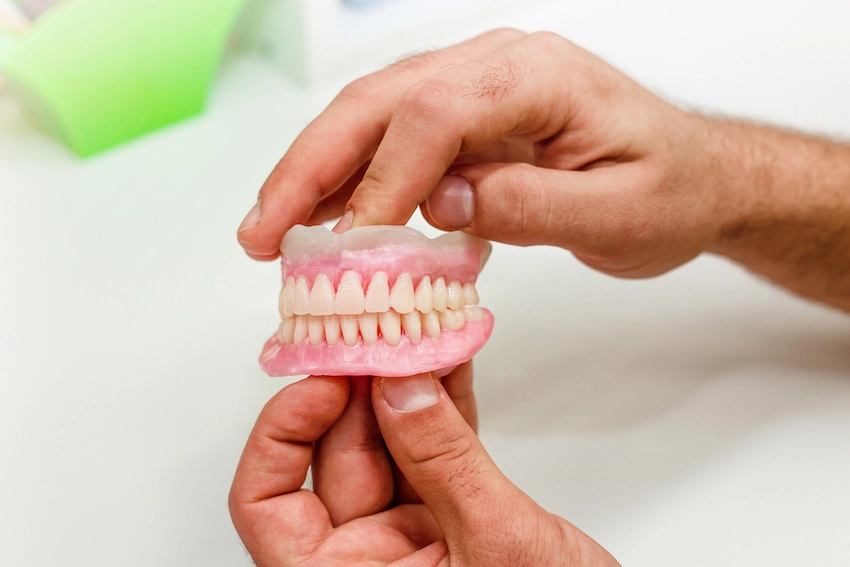
Jūs tikko esat atgriezies no zobārsta konsultācijas. Jūsu smaganas joprojām atrodas dzīšanas fāzē. Jums ir veikta mīkstā bāzes pārbūve jūsu protēzēm kā komforta pasākums. Kad jūs sakodat, joprojām jūtat, ka protēze ir nedaudz vaļīga. Jūs, protams, sākat jautāt: “Vai protēžu līme var lietot kopā ar mīksto bāzes pārbūvi?” Patiesībā protēžu līme kopā ar mīksto protēžu bāzes pārbūvi gandrīz noteikti sabojās jūsu zobu darbu. Lai gūtu skaidru priekšstatu par to, kā tas notiks, lasītājiem varētu būt noderīgi nedaudz izprast mīkstās protēžu bāzes pārbūves struktūru un darbību. Mīkstā protēžu bāzes pārbūve ir elastīgs silikona slānis, kas darbojas kā mīksts spilvens. Līdzīgi kā atmiņas putu matrači gultā, tas ir mīksts un elastīgs. Cietība standarta akrila protēžu bāzei ir šoks atrofētām vai jutīgām žokļa kauliem. Tādēļ mīkstā protēžu bāzes pārbūve no elastīga, poraina silikona ir labāka iespēja kā protēžu spilvens, ko var droši izmantot, lai veicinātu smaganu audu dzīšanu, gadījumos pēc ekstrakcijām vai implantu operācijām. Lai to labāk izprastu, ir rūpīgi jāaplūko silikona materiāla īpašības. Augsta porainība ir viena no tām, un tas nozīmē materiāla elpošanu un mitruma absorbciju.Kā mīkstā protēžu bāzes pārbūve tiks iznīcināta, lietojot protēžu līmi
Protēžu stabilitāte: protēžu stabilitātes iespējas
| Iezīme | Mīkstā bāzes pārbūve | Cietā bāzes pārbūve | Protēžu līme |
| Raksturojums | Pagaidu protēžu komforta slānis, kas arī dziedē smaganu audus. | Nodrošina ilgtermiņa protēzes piemērotību un strukturālo stabilitāti labākai protēzes fiksācijai. | Tā darbojas kā pagaidu ikdienas fiksācija tikai cietām akrila protēzēm. |
| Vidējais kalpošanas laiks | Parasti 3 - 6 mēneši. | Parasti no 1 līdz 2 gadiem. | Tikai 12 līdz 24 stundas. |
| Mijiedarbība | Iznīcina mīksto materiālu, ja ir uzklāta jebkāda veida protēžu līme. | Lietošana ir droša ar cietām akrila protēzēm. | Nav piemērojams. |
Biežāk uzdotie jautājumi
Akadēmiskās atsauces
- Zarb, G. A., Hobkirk, J., Eckert, S., & Jacob, R. (2013). Prosthodontic Treatment for Edentulous Patients: Complete Dentures and Implant-Supported Prostheses (13. izdevums). Mosby.
- Murata, H., Hong, G., Hamada, T., & McCabe, J. F. (2008). Dynamic viscoelastic properties of tissue conditioners and soft lining materials. Journal of Prosthetic Dentistry, 99(1), 74-81.
- Kulak-Ozkan, Y., Kazazoglu, E., & Arikan, A. (2003). Clinical evaluation of soft relining materials. European Journal of Prosthodontics and Restorative Dentistry, 11(4), 163-166.
- Chladek, G., Zmudzki, J., & Kasperski, J. (2014). Long-term soft denture lining materials. Materials, 7(8), 5816-5842.
- Garcia, L. T., Bohnenkamp, S. G., & Rudd, K. D. (2014). Kratochvil's Fundamentals of Removable Partial Dentures. Quintessence Publishing.
Biežāk uzdotie jautājumi
Why do my dentures feel loose even after a soft reline is done?
When the soft dental reline is placed, it is to care for the gums that are undergoing a shrinking process. The case is such that if you have had a tooth extraction lately, your jaws are undergoing significant morphing, and your jaw will gradually start becoming thinner and shorter. The soft material of the reline is used as a cushion while you have this transition period. Once you start going down without swelling, the gap becomes available again. To address the problem properly, do not simply hide it with your denture glue but take it into professional consideration by visiting your clinic again,n and we’ll do a suitable modification of your reline.
Is it okay to apply powder-type denture adhesive on a soft reline?
Don’t use any kind of adhesive. Though it may appear powder is easier on your teeth than it is, the truth is that it will still transform into a sticky glue when it becomes mixed with your saliva. That sticky glue can easily fill every little pore in a soft reline just as effectively as the super-dry glue will. That glue-like substance will be locked tight there, permanently changing your smooth surface.
How do I clean my soft denture reline without harming it?
You have to be really careful. First of all, brush it with an ultra-soft toothbrush and a denture foam specially formulated for this task. Avoid brushing with ordinary toothpaste, as it contains abrasive ingredients that could damage the silicone. Also, unless your dentist has clearly and specifically approved of the brand, refrain from soaking the denture in effervescent tablets overnight.
When should I consider replacing my soft dental liner with a hard one?
The normal period for changing from a soft denture reline material to the hard one is between 6 months and 6 months. A soft dental reline is only an intermediate solution to the problem. Once your gum tissue has recovered 100% in Turkey after a dental treatment, we can take a new impression to create for you a hard reline of the denture for a permanent fit.
But what if relines and denture paste aren’t working for me anymore?
After a certain period, it’s quite likely that the jawbone will get so weak that a traditional denture won’t even stick. At that stage, the best solution is to get implant-supported dentures. As we insert titanium rods into the jawbone, we can then secure the denture firmly in place, and you’d no longer need any form of denture adhesive.