

Клей для протезов с мягкой перебазировкой?
Используйте адгезив для зубных протезов с мягкой перебазировкой только с одобрения вашего стоматолога.
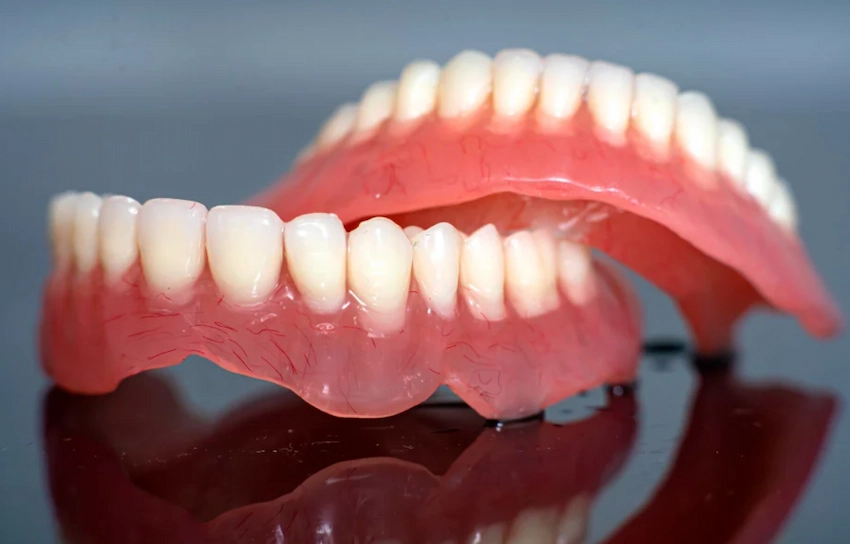
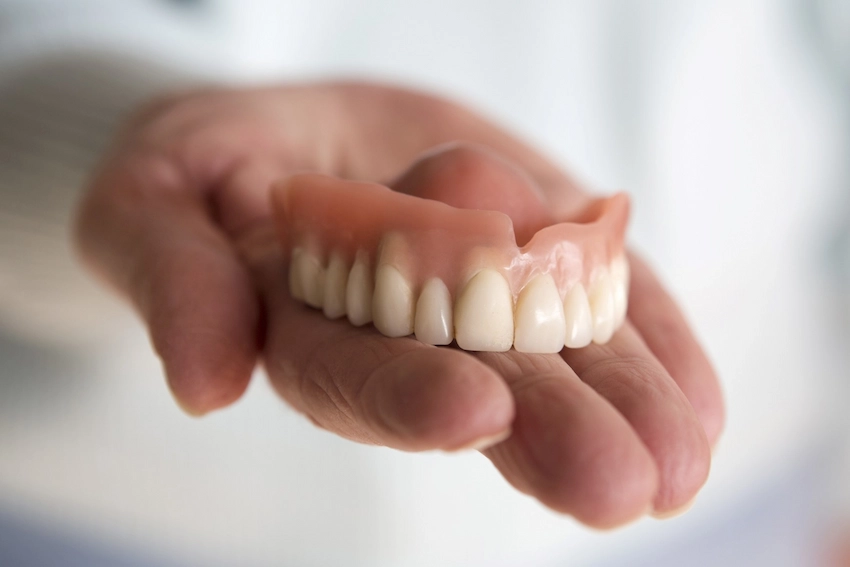
Вы только что вышли со стоматологической консультации. Ваши десны все еще находятся в фазе заживления. Вам установили мягкую перебазировку для ваших зубных протезов для обеспечения комфорта. Когда вы прикусываете, вы все еще чувствуете, что протез немного неплотно сидит. Естественно, вы начинаете задаваться вопросом: «Можно ли использовать клей для зубных протезов вместе с мягкой перебазировкой?» На самом деле, адгезив для зубных протезов в сочетании с мягкой перебазировкой почти наверняка повредит вашу стоматологическую работу. Чтобы получить четкое представление о том, как это произойдет, читателям может быть полезно немного узнать о структуре и работе мягкой перебазировки зубных протезов. Мягкая перебазировка зубных протезов — это податливый силиконовый слой, который действует как мягкая подушка. Подобно наполнителям из пены с эффектом памяти в кровати, он мягкий и эластичный. Твердость стандартного акрилового базиса протеза является настоящим шоком для атрофированных или чувствительных челюстных костей. Следовательно, мягкая перебазировка зубных протезов из податливого, пористого силикона является лучшим вариантом в качестве амортизирующей прокладки для протеза, которую можно безопасно использовать для содействия заживлению десневых тканей, в случаях после удаления зубов или имплантации. Чтобы лучше понять это, необходимо внимательно изучить характеристики силиконового материала. Высокая пористость является одной из них, и это подразумевает «дыхание» и впитывание влаги материалом.Как мягкая подкладка для протезов будет разрушена использованием клея для протезов
Стабильность зубных протезов: Варианты обеспечения стабильности протезов
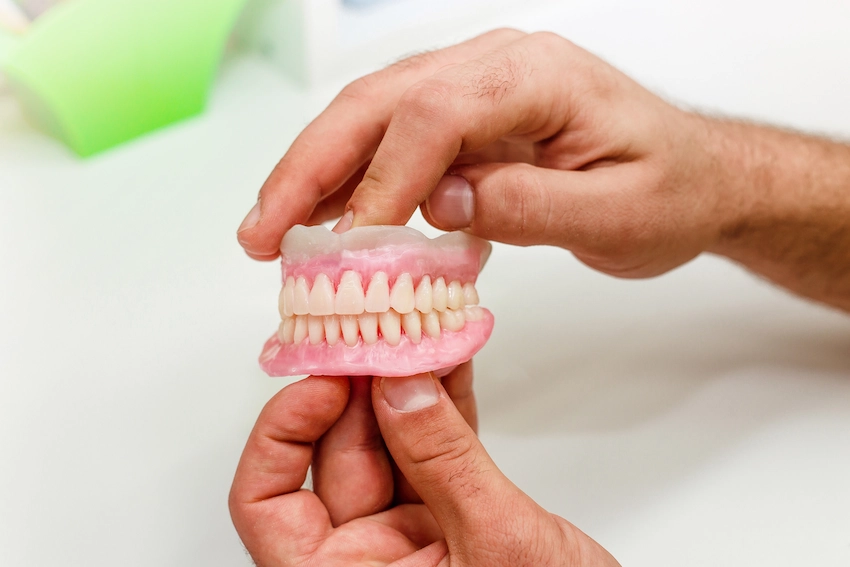
| Характеристика | Мягкая перебазировка | Твердая перебазировка | Адгезив для протезов |
| Свойства | Временный комфортный слой для протеза, который также способствует заживлению десневой ткани. | Обеспечивает долгосрочную фиксацию и структурную стабильность протеза для лучшей посадки. | Действует как временная ежедневная фиксация только для твердых акриловых протезов. |
| Средний срок службы | Обычно 3–6 месяцев. | Обычно от 1 до 2 лет. | Всего 12–24 часа. |
| Взаимодействие | Разрушает мягкий материал, если был применен какой-либо клей для протезов. | Безопасно для использования с твердыми акриловыми протезами. | Не применимо. |
Часто задаваемые вопросы
Академические ссылки
- Zarb, G. A., Hobkirk, J., Eckert, S., & Jacob, R. (2013). Prosthodontic Treatment for Edentulous Patients: Complete Dentures and Implant-Supported Prostheses (13th ed.). Mosby.
- Murata, H., Hong, G., Hamada, T., & McCabe, J. F. (2008). Dynamic viscoelastic properties of tissue conditioners and soft lining materials. Journal of Prosthetic Dentistry, 99(1), 74-81.
- Kulak-Ozkan, Y., Kazazoglu, E., & Arikan, A. (2003). Clinical evaluation of soft relining materials. European Journal of Prosthodontics and Restorative Dentistry, 11(4), 163-166.
- Chladek, G., Zmudzki, J., & Kasperski, J. (2014). Long-term soft denture lining materials. Materials, 7(8), 5816-5842.
- Garcia, L. T., Bohnenkamp, S. G., & Rudd, K. D. (2014). Kratochvil's Fundamentals of Removable Partial Dentures. Quintessence Publishing.
Частые вопросы
Why do my dentures feel loose even after a soft reline is done?
When the soft dental reline is placed, it is to care for the gums that are undergoing a shrinking process. The case is such that if you have had a tooth extraction lately, your jaws are undergoing significant morphing, and your jaw will gradually start becoming thinner and shorter. The soft material of the reline is used as a cushion while you have this transition period. Once you start going down without swelling, the gap becomes available again. To address the problem properly, do not simply hide it with your denture glue but take it into professional consideration by visiting your clinic again,n and we’ll do a suitable modification of your reline.
Is it okay to apply powder-type denture adhesive on a soft reline?
Don’t use any kind of adhesive. Though it may appear powder is easier on your teeth than it is, the truth is that it will still transform into a sticky glue when it becomes mixed with your saliva. That sticky glue can easily fill every little pore in a soft reline just as effectively as the super-dry glue will. That glue-like substance will be locked tight there, permanently changing your smooth surface.
How do I clean my soft denture reline without harming it?
You have to be really careful. First of all, brush it with an ultra-soft toothbrush and a denture foam specially formulated for this task. Avoid brushing with ordinary toothpaste, as it contains abrasive ingredients that could damage the silicone. Also, unless your dentist has clearly and specifically approved of the brand, refrain from soaking the denture in effervescent tablets overnight.
When should I consider replacing my soft dental liner with a hard one?
The normal period for changing from a soft denture reline material to the hard one is between 6 months and 6 months. A soft dental reline is only an intermediate solution to the problem. Once your gum tissue has recovered 100% in Turkey after a dental treatment, we can take a new impression to create for you a hard reline of the denture for a permanent fit.
But what if relines and denture paste aren’t working for me anymore?
After a certain period, it’s quite likely that the jawbone will get so weak that a traditional denture won’t even stick. At that stage, the best solution is to get implant-supported dentures. As we insert titanium rods into the jawbone, we can then secure the denture firmly in place, and you’d no longer need any form of denture adhesive.