

Czy można stosować klej do protez zębowych z miękkim podścieleniem?
Używaj kleju do protez z miękkim podścieleniem tylko za zgodą dentysty.
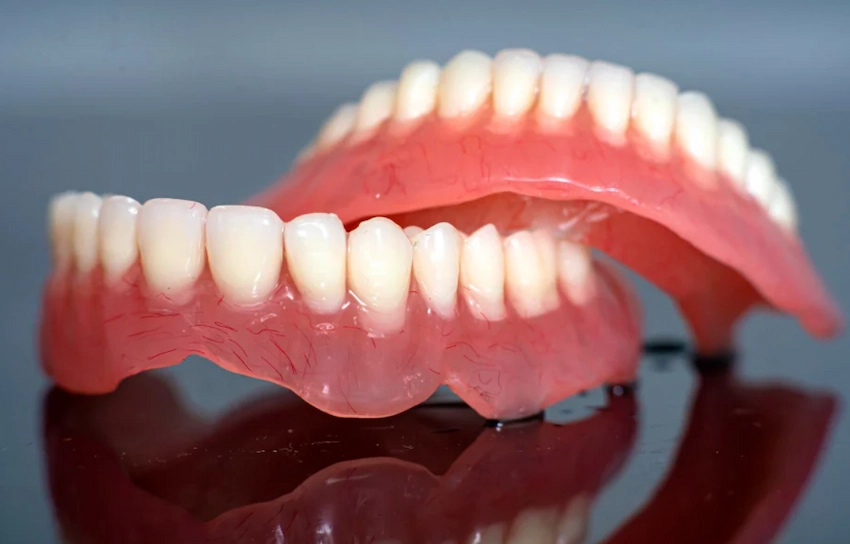
Właśnie zakończyłeś konsultację stomatologiczną. Twoje dziąsła są nadal w fazie gojenia. Otrzymałeś miękkie podścielenie do swoich protez jako środek zwiększający komfort. Kiedy zagryzasz, nadal czujesz, że proteza jest nieco luźna. Naturalnie zaczynasz się zastanawiać: „Czy klej do protez może być używany razem z miękkim podścieleniem?” W rzeczywistości, klej do protez w połączeniu z miękkim podścieleniem protezy niemal na pewno uszkodzi Twoją pracę protetyczną. Aby uzyskać jasny obraz tego, jak to się stanie, warto, aby czytelnicy zrozumieli nieco na temat struktury i działania miękkiego podścielenia protezy. Miękkie podścielenie protezy to elastyczna warstwa silikonu, która działa jak miękka poduszka. Podobnie jak wkładki z pianki memory w łóżku, jest miękkie i giętkie. Twardość standardowej akrylowej podstawy protezy jest szokiem dla zanikłych lub wrażliwych kości szczęki. Dlatego miękkie podścielenie protezy wykonane z elastycznego, porowatego silikonu jest lepszą opcją jako poduszka protetyczna, którą można bezpiecznie stosować w celu ułatwienia gojenia tkanek dziąseł, w przypadkach po ekstrakcjach lub zabiegach implantologicznych. Aby to lepiej zrozumieć, należy przyjrzeć się bliżej właściwościom materiału silikonowego. Wysoka porowatość jest jedną z nich, co oznacza oddychanie i wchłanianie wilgoci przez materiał.Jak miękkie podścielenie protezy zostanie zniszczone przez użycie kleju do protez
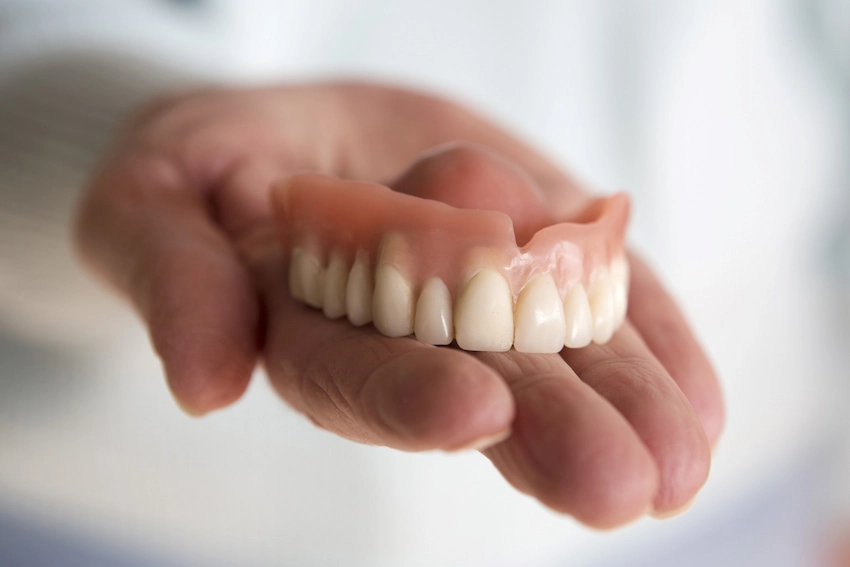
Stabilność protez: Opcje stabilizacji protez
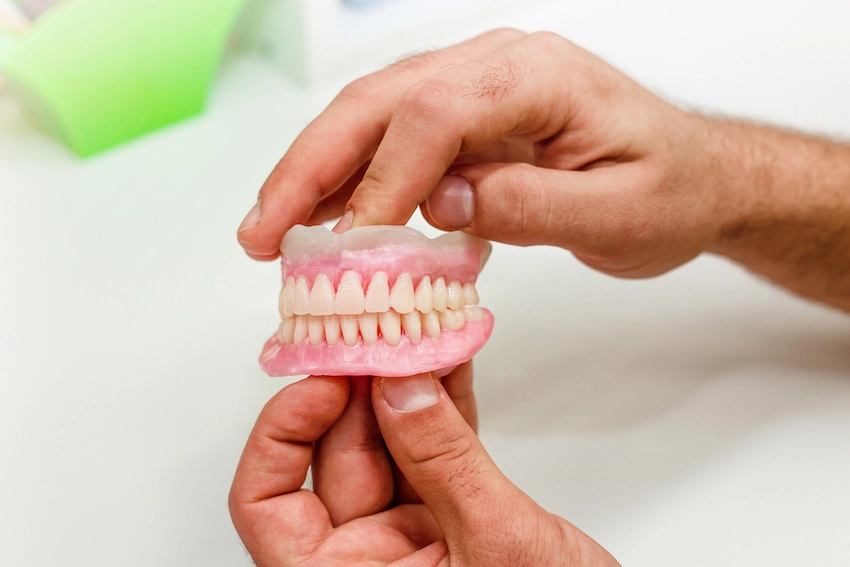
| Cecha | Miękkie podścielenie | Twarde podścielenie | Klej do protez |
| Charakterystyka | Tymczasowa warstwa komfortu protezy, która również leczy tkanki dziąseł. | Zapewnia długotrwałe dopasowanie i stabilność strukturalną protezy dla lepszego jej osadzenia. | Działa jako tymczasowe codzienne mocowanie wyłącznie dla twardych protez akrylowych. |
| Średnia żywotność | Zazwyczaj 3 - 6 miesięcy. | Zazwyczaj od 1 do 2 lat. | Tylko 12 do 24 godzin. |
| Interakcja | Niszczy miękki materiał, jeśli zastosowano jakikolwiek klej do protez. | Bezpieczne w użyciu z twardymi protezami akrylowymi. | Nie dotyczy. |
Często zadawane pytania
Piśmiennictwo naukowe
- Zarb, G. A., Hobkirk, J., Eckert, S., & Jacob, R. (2013). Prosthodontic Treatment for Edentulous Patients: Complete Dentures and Implant-Supported Prostheses (Wyd. 13.). Mosby.
- Murata, H., Hong, G., Hamada, T., & McCabe, J. F. (2008). Dynamic viscoelastic properties of tissue conditioners and soft lining materials. Journal of Prosthetic Dentistry, 99(1), 74-81.
- Kulak-Ozkan, Y., Kazazoglu, E., & Arikan, A. (2003). Clinical evaluation of soft relining materials. European Journal of Prosthodontics and Restorative Dentistry, 11(4), 163-166.
- Chladek, G., Zmudzki, J., & Kasperski, J. (2014). Long-term soft denture lining materials. Materials, 7(8), 5816-5842.
- Garcia, L. T., Bohnenkamp, S. G., & Rudd, K. D. (2014). Kratochvil's Fundamentals of Removable Partial Dentures. Quintessence Publishing.
Pytania pacjentów
Why do my dentures feel loose even after a soft reline is done?
When the soft dental reline is placed, it is to care for the gums that are undergoing a shrinking process. The case is such that if you have had a tooth extraction lately, your jaws are undergoing significant morphing, and your jaw will gradually start becoming thinner and shorter. The soft material of the reline is used as a cushion while you have this transition period. Once you start going down without swelling, the gap becomes available again. To address the problem properly, do not simply hide it with your denture glue but take it into professional consideration by visiting your clinic again,n and we’ll do a suitable modification of your reline.
Is it okay to apply powder-type denture adhesive on a soft reline?
Don’t use any kind of adhesive. Though it may appear powder is easier on your teeth than it is, the truth is that it will still transform into a sticky glue when it becomes mixed with your saliva. That sticky glue can easily fill every little pore in a soft reline just as effectively as the super-dry glue will. That glue-like substance will be locked tight there, permanently changing your smooth surface.
How do I clean my soft denture reline without harming it?
You have to be really careful. First of all, brush it with an ultra-soft toothbrush and a denture foam specially formulated for this task. Avoid brushing with ordinary toothpaste, as it contains abrasive ingredients that could damage the silicone. Also, unless your dentist has clearly and specifically approved of the brand, refrain from soaking the denture in effervescent tablets overnight.
When should I consider replacing my soft dental liner with a hard one?
The normal period for changing from a soft denture reline material to the hard one is between 6 months and 6 months. A soft dental reline is only an intermediate solution to the problem. Once your gum tissue has recovered 100% in Turkey after a dental treatment, we can take a new impression to create for you a hard reline of the denture for a permanent fit.
But what if relines and denture paste aren’t working for me anymore?
After a certain period, it’s quite likely that the jawbone will get so weak that a traditional denture won’t even stick. At that stage, the best solution is to get implant-supported dentures. As we insert titanium rods into the jawbone, we can then secure the denture firmly in place, and you’d no longer need any form of denture adhesive.