


Internal whitening, a commonly used term for internal teeth whitening, is recognized as one of the crucial endodontic interventions that has been developed for the treatment of intrinsic discoloration of non-vital teeth. The etiology of this discoloration usually follows the occurrence of trauma, removal of the pulp, or even root canal therapy of the tooth in question. The main aim of this clinical procedure is to restore the natural white aspect of the tooth while maintaining the integrity of the tooth enamel and dentin, among other contributing structural constituents of the tooth.
Clinical Indications;
- Darkening of a tooth after root canal therapy or endodontic treatment.
- Traumatic injuries to teeth that are characterized by intrapulpal bleeding.
- Pulp necrosis or pulpal disease can lead to extensive dentin discoloration, often requiring endodontic and whitening interventions.
- Tooth discoloration that is due to the use of endodontic sealers or intracanal medications.
Contraindications of Internal Teeth Whitening for Oral Health
- Presence of caries or fractures in the tooth undergoing intracoronal bleaching.
- The presence of active, untreated periodontal disease may limit or contraindicate the procedure.
- Instances of teeth discoloration that do not involve necrotic tissues but rather vital teeth with extraoral stains (these will require the agency of external bleaching).
- Patients who do not adhere to treatment guidelines or fail to attend follow-up appointments may not be suitable candidates, as the procedure necessitates ongoing supervision and monitoring.
Step-by-Step Clinical Technique Restorative Dental Procedures
Diagnosis and Radiographic Assessment – A meticulous clinical examination and radiological imaging is critical in evaluating the periapical status of the tooth in question, the quality of root filling and the integrity of the root structure.
Access Cavity Preparation – An adequate access cavity is cut in the crown of the tooth to permit access to the pulp chamber.
Removal of Restorative Materials is essential, as any residual gutta-percha or sealer on the tooth surface must be meticulously cleaned to prevent re-staining during the procedure.
Placement of Temporary Sealing – Some materials or products are put in a particular opening of the tooth, sealing it and these materials are like a kind of protective cover that is applied to the tooth. This method helps in preventing any new infection or damage from occurring over the period that treatment is pending.
Shade Evaluation – A professional shade evaluation should take place after the provisional sealing maintains its aesthetic form for 3-7 days, thus improving its appearance. Depending on the desired shade and degree of success achieved, it may be necessary to repeat this process for several more days and to thoroughly assess it before making any permanent alterations.
Final Restoration – Only after completing these processes and achieving the desired color can a final restoration be performed. The patient receives a permanent superior composite or glass ionomer restoration, which matches their natural tooth shade, thus giving them confidence in their smile.
Safety Protocols for Oral Health
Barrier Placement – Always place a barrier layer (e.g., glass ionomer) over root filling material. It is imperative to place a sealing material, such as glass ionomer, at the interface where the root filling material contacts the external environment, in order to minimize the risk of cervical resorption at this junction.
Avoid high-concentration hydrogen peroxide alone – Hydrogen peroxide strengths greater than that permitted by this protocol, whenever used singly, appear to cause external root resorption, which is detrimental in long-term treatment, thus should be avoided. However, if necessary, it could be safely included in methods that would minimize or retain the protective measures.
Maintain strict asepsis during access preparation – Careful insertion of all instruments and avoidance of contamination are crucial to minimize the introduction of microorganisms from the oral cavity into the lower structures. Every step that is performed in the treatment process must be under maximum aseptic conditions in order to control any possible complications or infections.
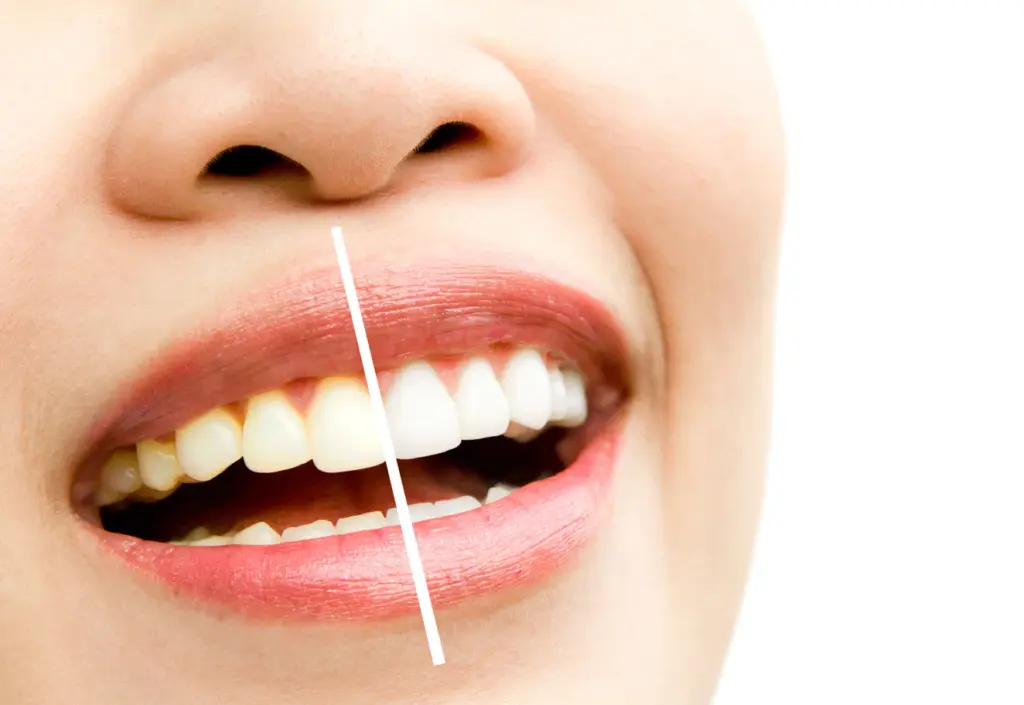
Document pre- and post-treatment shade for monitoring – Exact records of the shade prior to starting treatment and the condition after are essential for monitoring patients’ aesthetics as well as the effectiveness of the procedure. This information is also helpful for providing patient-centered care and ensuring that patients get a pleasant tooth color
Prognosis and Outcomes of Dental Treatment
Research shows that clinical studies have been remarkably successful with over 90% recurrence which The most popular and recommended anterior aesthetic restoration method is the use of porcelain veneers, as they can effectively mask the unsightly aesthetic problems of the front teeth and give you a perfect smile if they are done by an expert dentist.
Full crowns are fixed prosthodontic devices that cover all teeth that have lost their strength and integrity, such as extensive decay, a large fracture, or after root canal treatment.
Composite resin restorations for localized intrinsic staining that appears on some specific tooth, and this method strengthens the ability of the weak parts of the tooth, giving it a uniform color, improving its shades when viewed with the eye, without any suspicion of having been worked upon.
A Comprehensive Dental Procedure to Promote Positive Results and Long-Lasting Effects

It is very important for patients to be inclined toward proper oral hygiene, the use of fluoride toothpaste, and interdental cleaning for proper and appropriate care of teeth and gums to last after treatment.
Avoid excessive consumption of dietary staining agents such as coffee, tea, red wine, and tobacco, as they can reverse the effects of tooth whitening treatments and negatively impact your results.
Radiographic recall has been advised at 6\u201312 months intervals with regards to confirming periapical status and the stability of bleaching, it ensues that any issues are identified early and that the patient receives the right kind of treatment.
Updated Guidelines for Tooth Bleaching and Professional Teeth Whitening Procedures
Temporary Sealing – Some materials or products are put in a particular opening of the tooth, sealing it and these materials are like a kind of protective cover that is applied to the tooth. This method helps in preventing any new infection or damage from occurring over the period that treatment is pending.
Shade Evaluation – A professional shade evaluation should take place after the provisional sealing maintains its aesthetic form for 3-7 days, thus improving its appearance. Depending on the desired shade and degree of success achieved, it may be necessary to repeat this process for several more days and to thoroughly assess it before making any permanent alterations.
Final Restoration – Only after completing these processes and achieving the desired color can a final restoration be performed. The patient receives a permanent superior composite or glass ionomer restoration, which matches their natural tooth shade thus giving them confidence in their smile.
Always place a barrier layer (e.g., glass ionomer) over root filling material. It is imperative that a sealing product like glass ionomer should be incorporated in the area where root filling material comes into contact with the external environment in order to minimize the risks of cervical resorption that may take place at this junction.
Avoid high-concentration hydrogen peroxide alone – Hydrogen peroxide strengths greater than that permitted by this protocol, whenever used singly, appear to cause external root resorption, which is detrimental in long-term treatment, thus should be avoided. However, if necessary, it could be safely included in methods that would minimize or retain the protective measures.
Maintain strict asepsis during access preparation – Careful insertion of all instruments and avoidance of contamination are crucial to minimize the introduction of microorganisms from the oral cavity into the lower structures. Every step that is performed in the treatment process must be under maximum aseptic conditions in order to control any possible complications or infections.
Document pre- and post-treatment shade for monitoring – Exact records of the shade prior to starting treatment and the condition after are essential for monitoring patients’ aesthetics as well as the effectiveness of the procedure. This information is also helpful for providing patient-centered care and ensuring that patients get a pleasant tooth color.
The most popular and recommended anterior aesthetic restoration method is the use of porcelain veneers, as they can effectively mask the unsightly aesthetic problems of the front teeth and give you a perfect smile if they are done by an expert dentist.
Full crowns are fixed prosthodontic devices that cover all teeth that have lost their strength and integrity, such as extensive decay, a large fracture, or after root canal treatment.
Composite resin restorations for localized intrinsic staining that appears on some specific tooth and this method strengthens the ability of the weak parts of the tooth, giving it a uniform color, improving its shades when viewed with the eye without any suspicion of having been worked upon.
It is very important for patients to be inclined toward proper oral hygiene, the use of fluoride toothpaste, and interdental cleaning for proper and appropriate care of teeth and gums to last after treatment.
Avoid abusing the intake of dietary staining agents such as coffee, tea, red wine, and tobacco that would reverse the effects of the tooth whitening procedure, like a war on coffee, red wine, and tobacco, all of which positively harm your treatment.
Radiographic recall has been advised at 6- to 12-month intervals with regard to confirming periapical status and the stability of bleaching; it ensures that any issues are identified early and that the patient receives the right kind of treatment.
References
- Plotino G, Buono L, Grande NM, Pameijer CH, Somma F. Nonvital tooth bleaching: a review of the literature and clinical procedures. J Endod. 2008;34(4):394–407.
- Rotstein I, Mor C, Friedman S. Bleaching discolored non-vital teeth: A review and clinical study of 72 teeth. J Endod. 1993;19(5):203–208.
- Spasser HF. A simple bleaching technique using sodium perborate. N Y State Dent J. 1961;27:332–334.
Frequently Asked Questions (FAQ) About Internal Teeth Whitening
Internal teeth whitening is a dental procedure used to treat discoloration inside a non-vital tooth by placing a whitening agent in the pulp chamber.
Dentists recommend it for teeth darkened after trauma, pulp necrosis, root canal therapy, or staining from endodontic sealers and medications.
Yes. When performed by a qualified dentist with barrier protection and aseptic techniques, the procedure is safe and highly effective for oral health.
With proper oral hygiene and regular dental checkups, results can last several years, although occasional touch-ups may be necessary.
If discoloration persists, veneers, crowns, or composite resin restorations may be recommended to restore the natural appearance of the tooth.

