


The Effects of Cancer Treatment on Oral Health
Most of the time oral health problems are the side effects of cancer treatments like chemotherapy and radiotherapy. In general, Chemotherapy changes the situation in such a way that it affects all the cells that divide rapidly – for example, cancer cells as well as the cells of the mouth, gums, and oral tissues. Consequently, the body becomes more prone to infections due to a lessened immune system and the gingiva as well as teeth deteriorate. In such cases, mouth ulcerations, gingival inflammations, and increased susceptibility to oral infections might be some of the most frequent problems. Additionally, chemotherapeutic treatment may result in taste distortions, the development of a metallic or bitter taste being the most typical, making food intake difficult and thus malnutrition may occur.
Radiotherapy, especially when the source of irradiation is the head or the neck, can bring on various permanent oral health problems. It may demolish the salivary glands paving the way for very low production of saliva which, besides being the main reason for the mouth to be dry, also plays the role of the protector against dental caries. Saliva is extremely essential in acid neutralization, it is a ‘cleaner’ of the mouth-particles, and a preventive agent against bacteria and fungi. Once radiotherapy is directed at these glands, patients suffer from chronic dry mouth (xerostomia), the main reason for plaque accumulation, dental caries, and periodontitis. Hence, proper oral hygiene becomes the only method to stop these problems.
The Essential Role of Oral Hygiene During Cancer Treatment
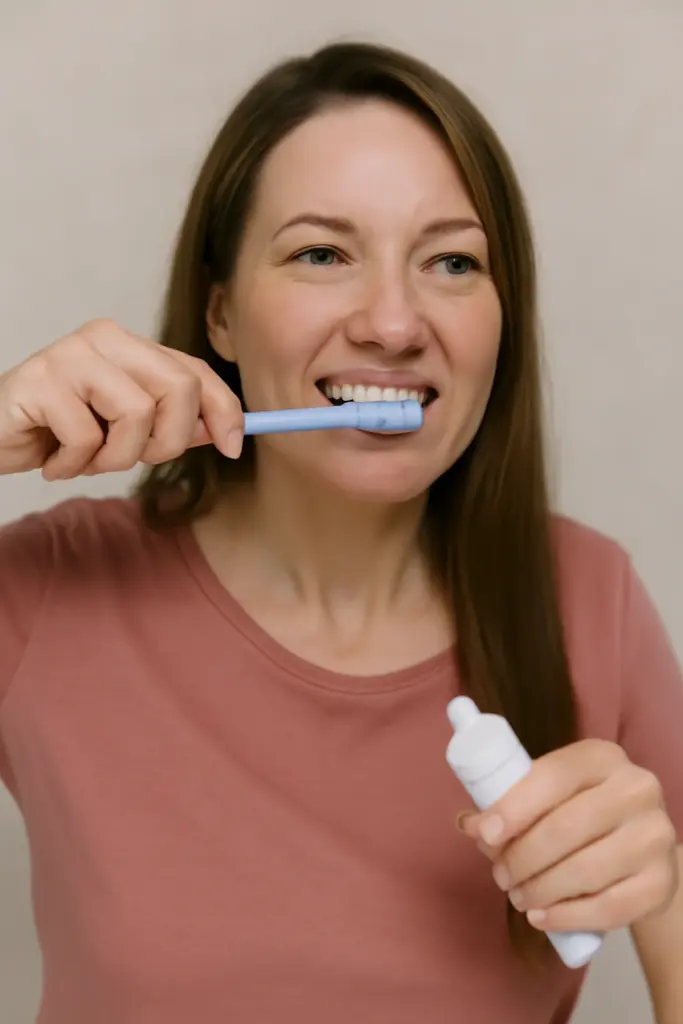
The mouth is a hygiene issue that has to the cancer patients’ attention for the most part. As a result of the immune system being very weak and the oral tissues also being damaged, a carefully thought-out and planned oral care routine from the very beginning is obligatory. Sick people should still brush their teeth in a gentle manner, using a soft-bristle toothbrush, fluoride toothpaste, at least twice a day. Besides that, fluoride is very good during cancer treatment since it not only makes the enamel more resistant but also helps in avoiding dental caries which are one of the most frequent side effects of dry mouth.
Similarly, flossing should be performed as well since it releases the dental and bacteria that may be stuck in the interdental space thus reducing the risk of plaque that can cause gum disease and tooth decay.
- Use fluoride toothpaste: Besides, it makes the enamel more durable and, thus, it is a good preventive measure against tooth decay.
- Brush gently with a soft-bristled toothbrush: This is a method of protecting gums and other parts of the oral cavity from being irritated by ones that are sensitive.
- Floss daily: It is a method of getting rid of the foods that are stuck and bacteria from the area between the teeth, accordingly, plaque formation is avoided.
If cancer patients are to use a mouth rinse, it should be an alcohol-free one that helps in killing bacteria and soothing the mouth along with proper brushing and flossing. The reasoning is that products containing alcohol may aggravate the condition of dry mouth and cause the irritation of sensitive tissues, hence non-alcoholic mouthwashes are advised. Nevertheless, dental visits should become a regular habit if one wishes to have a healthy oral cavity and detect problems at an early stage. Dentists will be able to do professional cleanings, check for infections, and suggest other treatments such as fluoride applications to help the teeth become strong during the treatment period. Thus, with oral care, patients will be able to decrease the risk of mouth problems during cancer therapy to a large extent.
- Use an alcohol-free mouthwash: The primary reason is that it lowers the risk of infections and at the same time, gives a refreshing feeling to the mouth.
- Regular dental check-ups: Facilitate the early recognition and treatment of any problems related to oral health.
- Consider fluoride application: Occasional fluoride treatment is one of the means of reinforcing enamel and preventing dental caries.
Cancer Treatment and Dry Mouth (Xerostomia)
Dry mouth or xerostomia is among the numerous problems that cancer treatments mostly chemotherapy and radiotherapy have. Besides this, a patient usually ends up with a permanent dry sensation in the mouth, although the damage to salivary glands may be temporary, which, in turn, makes swallowing, speaking, and even eating difficult. At the same time, saliva is the main sanitizer of the oral cavity, as it neutralizes acids, dissolves food residues, and prevents bacteria from releasing their activity in the oral cavity. In such a case, caries, periodontal diseases, and oral thrush, i.e., fungal infections of the mouth, will be the most dangerous side effects of the disease.
Needless to say, dry mouth patients might only see the liquid in the food as their salvation. Small sips of water should be taken regularly without any doubt. In addition, saliva substitutes such as gels or sprays may provide short-term relief and may hydrate the oral cavity. Sugar-free gum or sugar-free lozenges might help if saliva production is to be stimulated whereas, a humidifier installed in the bedroom may prevent dry mouth during the night. Patients are recommended to avoid alcohol, caffeine, and tobacco as these products can cause or worsen dry mouth symptoms. The dentist may provide some medicines if the need for symptom relief, promotion of hygiene, and therapy extension arises due to cancer treatment.
- Keep drinking water: Do not forget to always drink water but in small quantities and throughout the day so as to keep your mouth fresh.
- Apply saliva substitutes: Gels or sprays are comfortable to use for a dry mouth and they also help to hydrate the oral cavity.
- Chew sugarless gum: It is one of the ways that can help to stimulate saliva production and keep the mouth fresh.
What Are the Effects of Radiotherapy and Chemotherapy on Oral and Dental Health?

Oral and dental health of patients undergoing both radiotherapy and chemotherapy can be at the worst level, thus the necessary preventive measures have to be taken for oral hygiene during and after treatment. Chemotherapy kills and destroys cancer cells and at the same time it injures healthy cells including cells in gums, lips, and soft tissues of the mouth and this makes the mouth more prone to infections and sores. As a result, the immune system is weakened and ulcers, gingivitis, and wounds on the oral mucosa appear which are difficult to heal. Moreover, chemotherapy usually leads to loss of taste and increased sensitivity of the mouth to hot, cold, or spicy foods, which in most cases leads to improper nutrition for patients.
Radiotherapy especially to the head and neck can change the anatomy and physiological functions of the oral cavity permanently. The salivary glands receive the radiation impinging on the area and therefore dry mouth is the common adverse effect of radiation therapy that can last for a long period after the therapy has been accomplished. This ailment accompanied by the high possibility of infections intensifies the need for dental consultations and professional care. Patients receiving radiotherapy are likely to be provided with fluoride treatments and saliva substitutes and if their teeth are in a bad state, extractions can be the solution. Proper hydration, medication, and regular dental visits, as well as a comprehensive dental care plan, are fundamental to the continuity of oral health during cancer treatment.
Essential Oral Care Products During Cancer Treatment
| Product Type | Recommended Products | Key Benefits |
| Toothpaste | Fluoride toothpaste (SLS-free) | Prevents cavities, strengthens enamel, gentle on gums |
| Mouthwash | Alcohol-free, fluoride mouthwash | Reduces infection risk, soothes dry mouth |
| Saliva Substitute | XyliMelts, Biotene mouthwash | Helps manage dry mouth, keeps the mouth moist |
| Toothbrush | Soft-bristled toothbrush | Gentle on gums, prevents irritation |
| Antiseptic Rinse | Chlorhexidine, aloe vera-based mouthwash | Prevents infections, reduces gum inflammation |
REFERENCES:
- Bodnar, J. D., & MacGill, R. E. (2019). Oral health management during chemotherapy and radiotherapy: Clinical considerations. Journal of Cancer Support, 12(4), 45-58. https://doi.org/10.1080/15270541.2019.1670132
- National Institute of Dental and Craniofacial Research. (2021). Dry mouth (xerostomia) and cancer treatment. https://www.nidcr.nih.gov/health-info/dry-mouth
- Harris, D. M., & Smith, R. B. (2018). Dental care for cancer patients: Preventing complications during and after treatment. Journal of Clinical Oncology, 36(20), 2141-2146. https://doi.org/10.1200/JCO.2018.78.4021
- Miller, M. M., & Williams, J. T. (2017). Managing oral health in patients undergoing chemotherapy. The Dental Clinics of North America, 61(4), 865-879. https://doi.org/10.1016/j.cden.2017.06.008
- Salonen, E. M., & Kallio, M. J. (2020). Impact of radiotherapy on oral health: Prevention and care strategies for patients undergoing radiation therapy for head and neck cancer. Oral Oncology, 104, 104619. https://doi.org/10.1016/j.oraloncology.2020.104619
- Sharma, S., & Karunagaran, S. (2021). Saliva substitutes and oral care strategies for cancer patients with xerostomia. Journal of Cancer Research and Therapeutics, 17(3), 673-679. https://doi.org/10.4103/jcrt.JCRT_561_20
FAQ: The Effects of Cancer Treatment on Oral Health
Oral care during chemotherapy requires gentle brushing with a soft-bristle toothbrush and fluoride toothpaste to prevent tooth decay. Patients should use an alcohol-free mouthwash and stay hydrated to alleviate dry mouth and reduce the risk of infections.
Yes, cancer patients can receive fillings, but it is essential to ensure that their oral health is stable and that their immune system is not compromised. A dentist will evaluate the patient’s condition and coordinate with the oncologist to determine the safest course of action.
Patients undergoing chemotherapy can receive dental treatment, but it should be planned during times when their immune system is stronger. The timing of dental procedures should be coordinated with both the oncologist and dentist to ensure the best outcomes.
Cancer patients should use fluoride toothpaste to help protect against cavities and strengthen enamel. It’s important to choose a toothpaste that is free from harsh chemicals, such as SLS, which can irritate sensitive oral tissues.
Mouth sores caused by chemotherapy typically heal within 1 to 2 weeks after the completion of treatment. Using soothing mouthwashes and maintaining good oral hygiene can aid the healing process and reduce discomfort.
Molars may be extracted before chemotherapy if they are at risk of infection or further damage during treatment. This precaution helps prevent complications and ensures that the mouth remains healthy during chemotherapy.
Chemotherapy can lead to yellowing of the teeth due to dry mouth and reduced saliva production. Maintaining proper oral hygiene, drinking plenty of water, and using fluoride toothpaste can help prevent further discoloration
Dental implants can be considered for patients undergoing chemotherapy, but the procedure must be carefully planned with input from both the oncologist and dentist. It is important to ensure that the patient’s immune system is strong enough to support the healing process.
Bad breath, often caused by dry mouth, can be treated by staying hydrated, using saliva substitutes, and practicing excellent oral hygiene. Regular dental cleanings and using alcohol-free mouthwash can also help alleviate bad breath.
Dental treatment should be performed after chemotherapy cycles, once the immune system has recovered. The exact timing depends on the patient’s health and should be discussed with both the oncologist and dentist to ensure the safest approach.

