

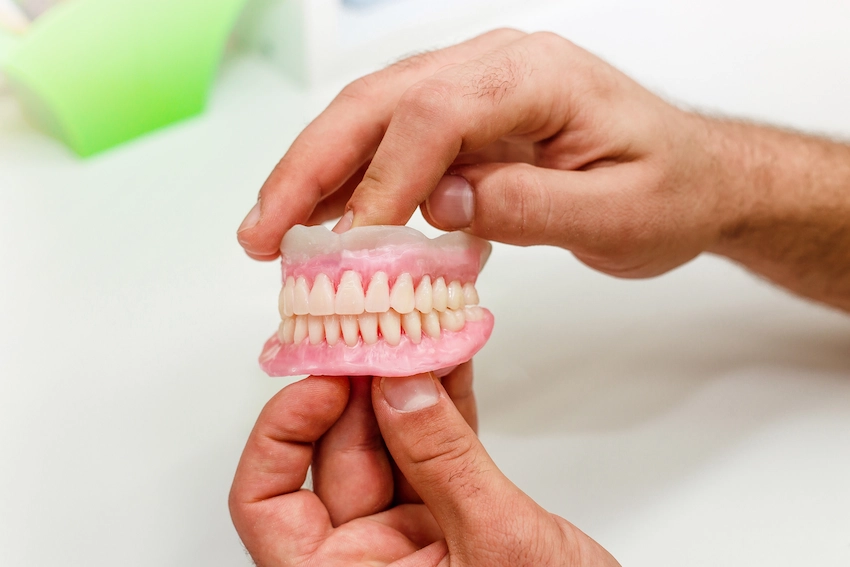
¿Se puede desarrollar una alergia a las prótesis dentales?
Sí, algunas personas pueden volverse alérgicas o sensibles a los materiales de las prótesis dentales, causando irritación o hinchazón de las encías.
¿Cuál es la razón detrás de una alergia a las prótesis dentales?
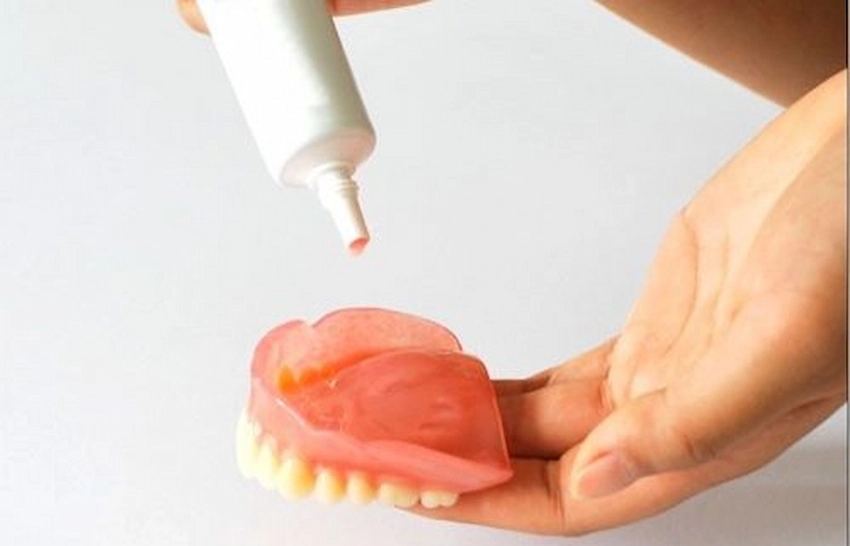
Reconocimiento de los síntomas: ¿Alergia o ajuste deficiente?
Primero, echemos un vistazo más de cerca a los síntomas. Entonces, ¿cómo se diferencia entre una alergia real y un simple ajuste deficiente? Un ajuste deficiente en algo como un zapato es un zapato muy apretado. Aprieta la piel y luego le produce solo una ampolla en el lugar donde el roce es más fuerte. Una reacción alérgica, por otro lado, no aparece solo en un punto, sino que generalmente cubre toda el área. Se debe prestar atención a los siguientes síntomas:- Enrojecimiento e hinchazón del revestimiento de la boca o de las zonas de las encías.
- Sensación de ardor en la lengua, los labios o las encías (Síndrome de Boca Ardiente).
- Tejido gingival que se pela: Como al regresar del sol después de haber pasado un día sin protección, la capa externa de sus encías podría desprenderse.
- Sabor desagradable: Un sabor amargo o metálico en la boca que no desaparece.
Dientes de vanguardia para sonrisas sensibles
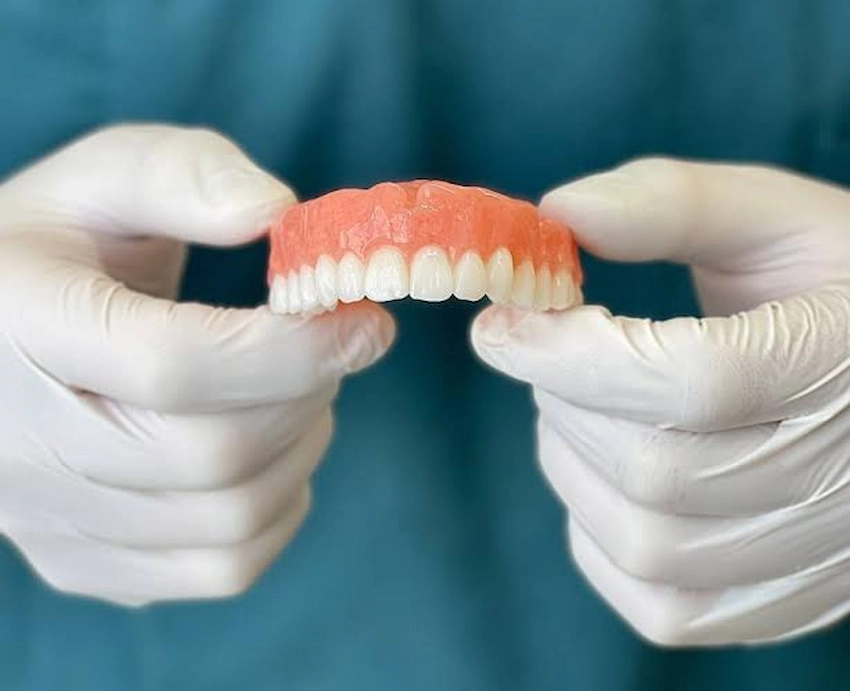
| Tipo de Prótesis | Material | Probabilidad de Alergia | Beneficio Clínico |
| Prótesis Estándar | PMMA, Cobalto-Cromo | Moderada a Alta | Económicamente beneficiosa, pero depende completamente de las encías para su soporte. |
| Prótesis Flexible | Nylon (ej., Valplast), Libre de Monómero | Muy Baja | Tenaz y elimina la exposición a la toxicidad del monómero y del metal. |
| Zirconio Implantosoportado | Implantes de Titanio, Zirconio Sólido | Casi Nula | Anclaje firme al hueso con una estética de lujo y sin irritación gingival. |
Preguntas Frecuentes
Referencias Académicas
- Ali, A., Bates, J. F., Reynolds, A. J., & Walker, W. A. (1986). The influence of the curing cycle on the residual monomer levels of acrylic resin denture base polymers. Journal of Dentistry, 14(5), 237-241.
- Leggat, P. A., & Kedjarune, U. (2003). Toxicity of acrylic resin dental materials. International Dental Journal, 53(2), 63-68.
- Syed, M., Chopra, R., & Sachdev, V. (2015). Allergic reactions to dental materials: a systematic review. Journal of Clinical and Diagnostic Research, 9(10), ZE04-ZE09.
- Tosti, A., Peluso, A. M., Fanti, P. A., & Zucchelli, G. (1993). Contact stomatitis due to polymethyl methacrylate. Contact Dermatitis, 28(2), 112-113.
- Weaver, R. E., & Goebel, W. M. (1980). Reactions to acrylic resin dental prostheses. The Journal of Prosthetic Dentistry, 43(2), 138-142.
Preguntas frecuentes
For how much time can a soft liner fit well before it starts feeling loose?
A properly fitting soft liner will fit you comfortably anywhere from two to six months. But this also depends on the rate at which your gums shrink. Do not glue it when you find it loose after two weeks; rather, call a dentist to get it safely adjusted.
In the case of soft liners, are there adhesives that are safe and effective?
In case of emergency, an extremely light application of an adhesive powder is somewhat better than applying a thick paste. Powders can be rinsed off more easily. However, this should never be a regular practice, but just a temporary trick.
What is the best method to clean the soft liner without damaging it?
Think of it as a piece of delicate fabric. Do not press with a hard brush or use harsh toothpaste on the soft material,l as in most cases. Wash with warm water. Use a very soft brush or your fingers only to remove food particles.
How come my gums keep shrinking all the time?
The stimulation of natural tooth roots is required by the jawbone for it to stay strong. When you lose your teeth, the body starts absorbing the bone. This will change the shape of your mouth entirely, and in the end, your denture loses its fit.
Are hard reline or implants the only options eventually for me?
Of course, a soft liner is a step only. After the healing of your gums, the soft material is replaced with a hard acrylic resin. A slip-free, non-permanent, bone-loss-stopping solution is a dental implant, and it is a gold standard.