

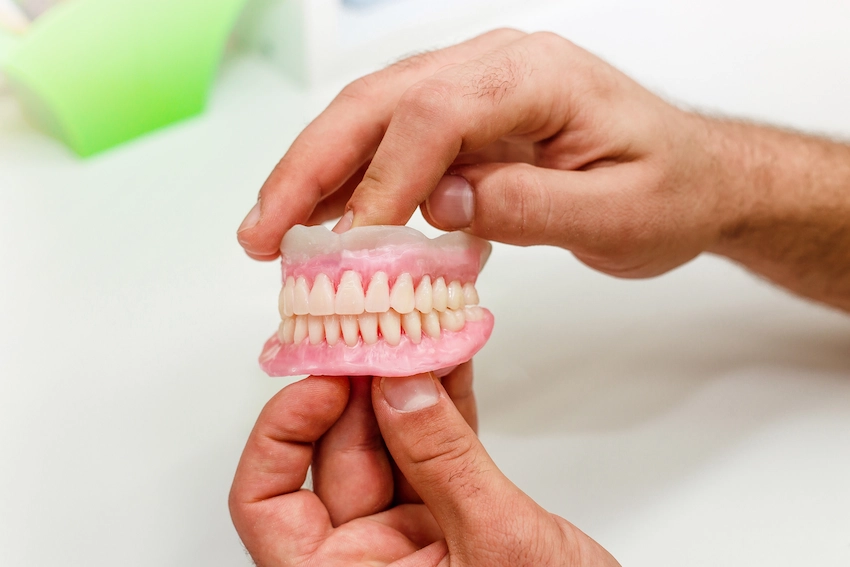
Ar galima tapti alergiškam dantų protezams?
Taip, kai kurie žmonės gali tapti alergiški arba jautrūs dantų protezų medžiagoms, sukeldami dantenų dirginimą ar patinimą.
Kokia yra dantų protezų alergijos priežastis?
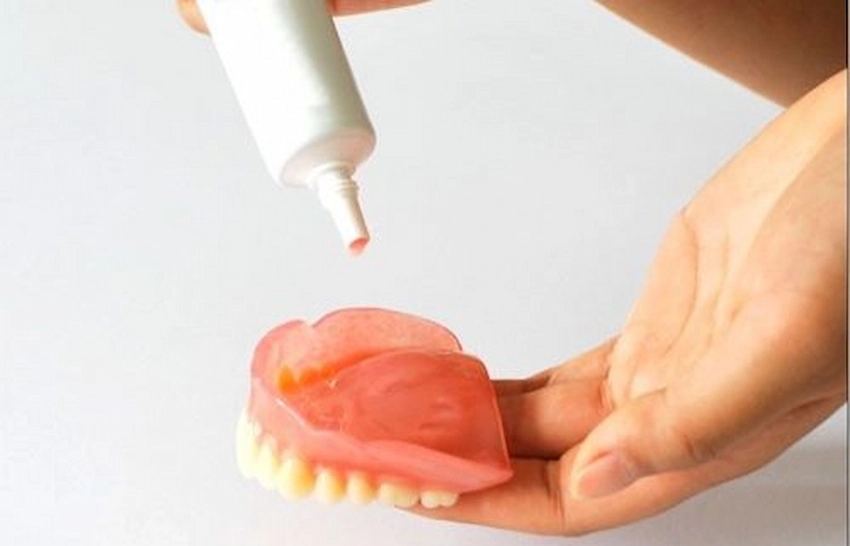
Simptomų atpažinimas: alergija ar netinkamas pritaikymas?
Pirmiausia, atidžiau panagrinėkime simptomus. Kaip atskirti tikrą alergiją nuo tiesiog blogo pritaikymo? Blogas pritaikymas, pavyzdžiui, batų atveju, yra labai ankštas batas. Jis spaudžia odą ir sukelia tik vieną pūslę toje vietoje, kur trintis yra stipriausia. Alerginė reakcija, priešingai, pasireiškia ne tik vienoje vietoje, bet dažniausiai apima visą sritį. Reikėtų atkreipti dėmesį į šiuos simptomus:- Burnos gleivinės ar dantenų paraudimas ir patinimas.
- Degimo pojūtis liežuvyje, lūpose ar dantenose (deginančios burnos sindromas).
- Dantenų lupimasis: Tarsi grįžus iš saulės po dienos be jokios apsaugos, išorinis dantenų sluoksnis gali luptis.
- Nemalonus skonis: Kartus arba metalo skonis burnoje, kuris nepraėjo.
Pažangūs dantys jautrioms šypsenoms
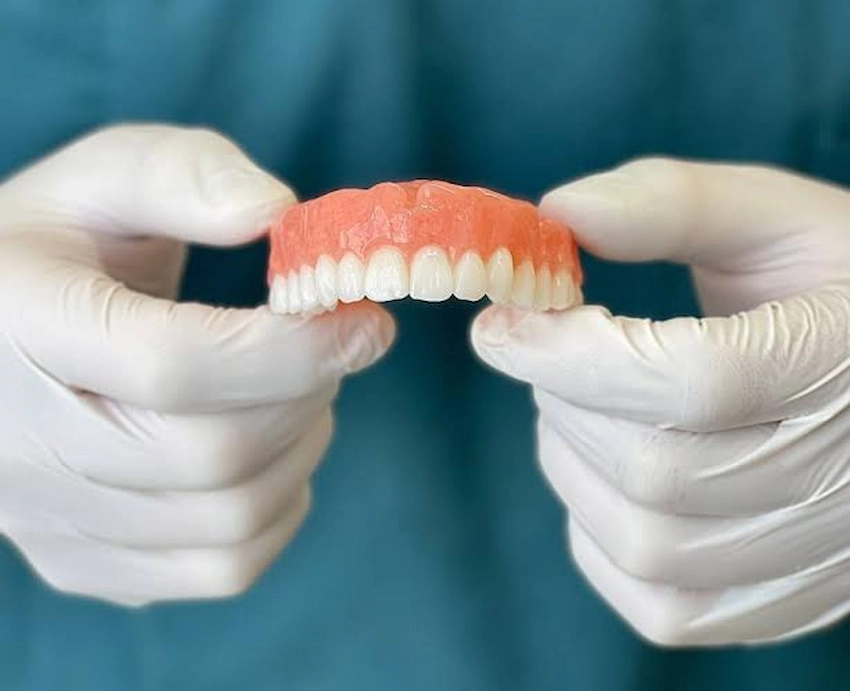
| Protezo tipas | Medžiaga | Alergijos tikimybė | Klinikinė nauda |
| Standartinis protezas | PMMA, kobalto-chromo | Vidutinė iki didelė | Ekonomiškai naudingas, bet visiškai priklauso nuo dantenų atramos. |
| Lankstus protezas | Nailonas (pvz., Valplast), be monomero | Labai maža | Tvirtas ir pašalina monomero bei metalo toksiškumo poveikį. |
| Implantais paremtas cirkonis | Titano implantai, vientisas cirkonis | Beveik nulinė | Tvirtas tvirtinimas prie kaulo su prabangia estetika ir be dantenų dirginimo. |
Dažniausiai užduodami klausimai
Akademinės nuorodos
- Ali, A., Bates, J. F., Reynolds, A. J., & Walker, W. A. (1986). The influence of the curing cycle on the residual monomer levels of acrylic resin denture base polymers. Journal of Dentistry, 14(5), 237-241.
- Leggat, P. A., & Kedjarune, U. (2003). Toxicity of acrylic resin dental materials. International Dental Journal, 53(2), 63-68.
- Syed, M., Chopra, R., & Sachdev, V. (2015). Allergic reactions to dental materials: a systematic review. Journal of Clinical and Diagnostic Research, 9(10), ZE04-ZE09.
- Tosti, A., Peluso, A. M., Fanti, P. A., & Zucchelli, G. (1993). Contact stomatitis due to polymethyl methacrylate. Contact Dermatitis, 28(2), 112-113.
- Weaver, R. E., & Goebel, W. M. (1980). Reactions to acrylic resin dental prostheses. The Journal of Prosthetic Dentistry, 43(2), 138-142.
Dažniausiai užduodami klausimai
For how much time can a soft liner fit well before it starts feeling loose?
A properly fitting soft liner will fit you comfortably anywhere from two to six months. But this also depends on the rate at which your gums shrink. Do not glue it when you find it loose after two weeks; rather, call a dentist to get it safely adjusted.
In the case of soft liners, are there adhesives that are safe and effective?
In case of emergency, an extremely light application of an adhesive powder is somewhat better than applying a thick paste. Powders can be rinsed off more easily. However, this should never be a regular practice, but just a temporary trick.
What is the best method to clean the soft liner without damaging it?
Think of it as a piece of delicate fabric. Do not press with a hard brush or use harsh toothpaste on the soft material,l as in most cases. Wash with warm water. Use a very soft brush or your fingers only to remove food particles.
How come my gums keep shrinking all the time?
The stimulation of natural tooth roots is required by the jawbone for it to stay strong. When you lose your teeth, the body starts absorbing the bone. This will change the shape of your mouth entirely, and in the end, your denture loses its fit.
Are hard reline or implants the only options eventually for me?
Of course, a soft liner is a step only. After the healing of your gums, the soft material is replaced with a hard acrylic resin. A slip-free, non-permanent, bone-loss-stopping solution is a dental implant, and it is a gold standard.