

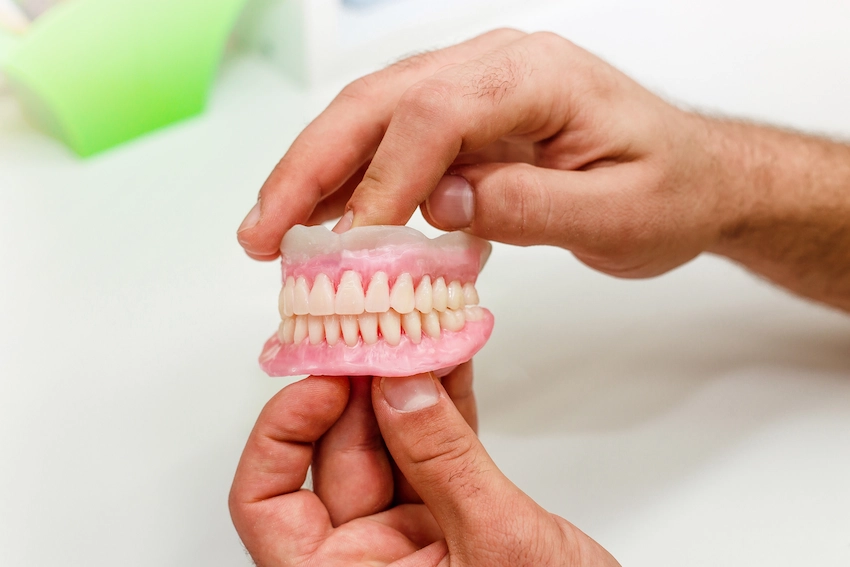
Vai var rasties alerģija pret zobu protēzēm?
Jā, daži cilvēki var kļūt alerģiski vai jutīgi pret protēžu materiāliem, izraisot smaganu kairinājumu vai pietūkumu.
Kāds ir protēžu alerģijas iemesls?
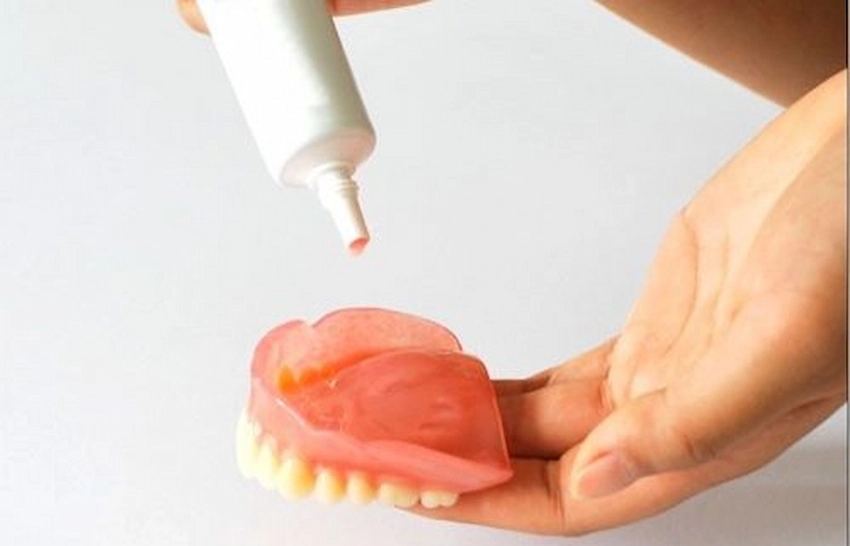
Simptomu atpazīšana: alerģija vai slikts piegulums?
Vispirms, apskatīsim simptomus tuvāk. Tad, kā atšķirt īstu alerģiju no vienkārši slikta pieguluma? Slikts piegulums, piemēram, apaviem, ir ļoti cieši apavi. Tie saspiež ādu un tad rada tikai vienu tulznu vietā, kur berze ir visspēcīgākā. Alerģiska reakcija, savukārt, neparādās tikai vienā vietā, bet parasti aptver visu zonu. Jāpievērš uzmanība šādiem simptomiem:- Mutes gļotādas vai smaganu zonu apsārtums un pietūkums.
- Dedzinoša sajūta uz mēles, lūpām vai smaganām (Dedzinošas mutes sindroms).
- Smaganu audu lobīšanās: Līdzīgi kā atgriežoties no saules pēc dienas, kas pavadīta bez aizsardzības, jūsu smaganu ārējais slānis var lobīties.
- Nepatīkama garša: Rūgta vai metāliska garša mutē, kas nepazūd.
Moderni zobi jutīgiem smaidiem
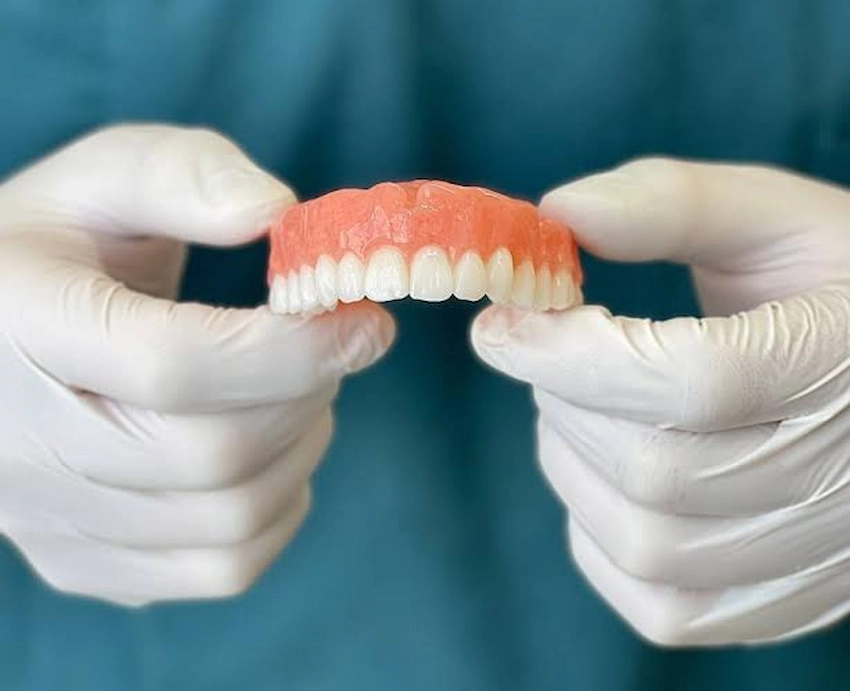
| Protēzes veids | Materiāls | Alerģijas iespējamība | Klīniskais ieguvums |
| Standarta protēze | PMMA, Kobalts-Hroms | Vidēja līdz augsta | Ekonomiski izdevīga, bet pilnībā balstās uz smaganām atbalstam. |
| Elastīgā protēze | Neilons (piem., Valplast), bez monomēra | Ļoti zema | Izturīga un novērš monomēra un metāla toksicitātes iedarbību. |
| Implantu atbalstīts cirkonijs | Titāna implanti, ciets cirkonijs | Gandrīz nulle | Stingra fiksācija kaulā ar greznu estētiku un bez smaganu kairinājuma. |
Biežāk uzdotie jautājumi
Akadēmiskās atsauces
- Ali, A., Bates, J. F., Reynolds, A. J., & Walker, W. A. (1986). The influence of the curing cycle on the residual monomer levels of acrylic resin denture base polymers. Journal of Dentistry, 14(5), 237-241.
- Leggat, P. A., & Kedjarune, U. (2003). Toxicity of acrylic resin dental materials. International Dental Journal, 53(2), 63-68.
- Syed, M., Chopra, R., & Sachdev, V. (2015). Allergic reactions to dental materials: a systematic review. Journal of Clinical and Diagnostic Research, 9(10), ZE04-ZE09.
- Tosti, A., Peluso, A. M., Fanti, P. A., & Zucchelli, G. (1993). Contact stomatitis due to polymethyl methacrylate. Contact Dermatitis, 28(2), 112-113.
- Weaver, R. E., & Goebel, W. M. (1980). Reactions to acrylic resin dental prostheses. The Journal of Prosthetic Dentistry, 43(2), 138-142.
Biežāk uzdotie jautājumi
For how much time can a soft liner fit well before it starts feeling loose?
A properly fitting soft liner will fit you comfortably anywhere from two to six months. But this also depends on the rate at which your gums shrink. Do not glue it when you find it loose after two weeks; rather, call a dentist to get it safely adjusted.
In the case of soft liners, are there adhesives that are safe and effective?
In case of emergency, an extremely light application of an adhesive powder is somewhat better than applying a thick paste. Powders can be rinsed off more easily. However, this should never be a regular practice, but just a temporary trick.
What is the best method to clean the soft liner without damaging it?
Think of it as a piece of delicate fabric. Do not press with a hard brush or use harsh toothpaste on the soft material,l as in most cases. Wash with warm water. Use a very soft brush or your fingers only to remove food particles.
How come my gums keep shrinking all the time?
The stimulation of natural tooth roots is required by the jawbone for it to stay strong. When you lose your teeth, the body starts absorbing the bone. This will change the shape of your mouth entirely, and in the end, your denture loses its fit.
Are hard reline or implants the only options eventually for me?
Of course, a soft liner is a step only. After the healing of your gums, the soft material is replaced with a hard acrylic resin. A slip-free, non-permanent, bone-loss-stopping solution is a dental implant, and it is a gold standard.