

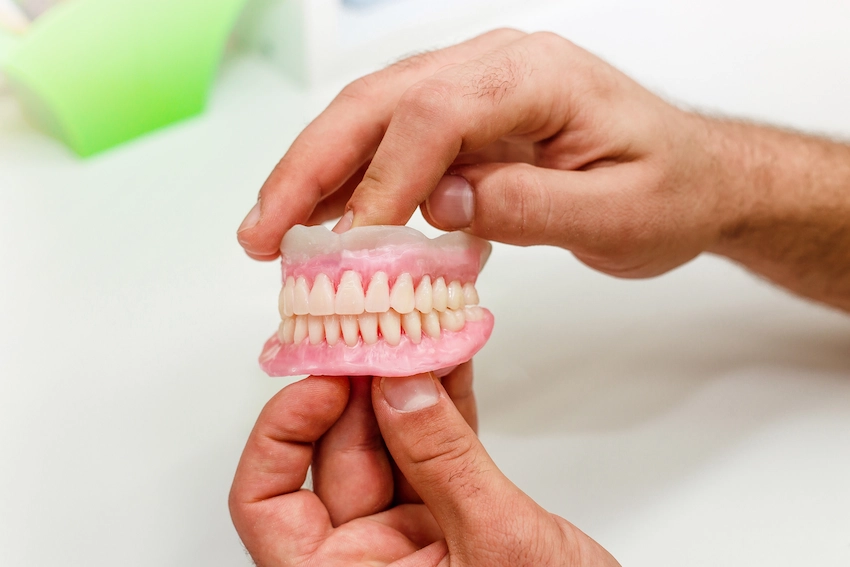
Protezlere Karşı Alerjiniz Gelişebilir mi?
Evet, bazı kişiler protez malzemelerine karşı alerjik veya hassas hale gelebilir, bu da diş eti tahrişine veya şişliğine neden olabilir.
Protez Alerjisinin Arkasındaki Neden Nedir?
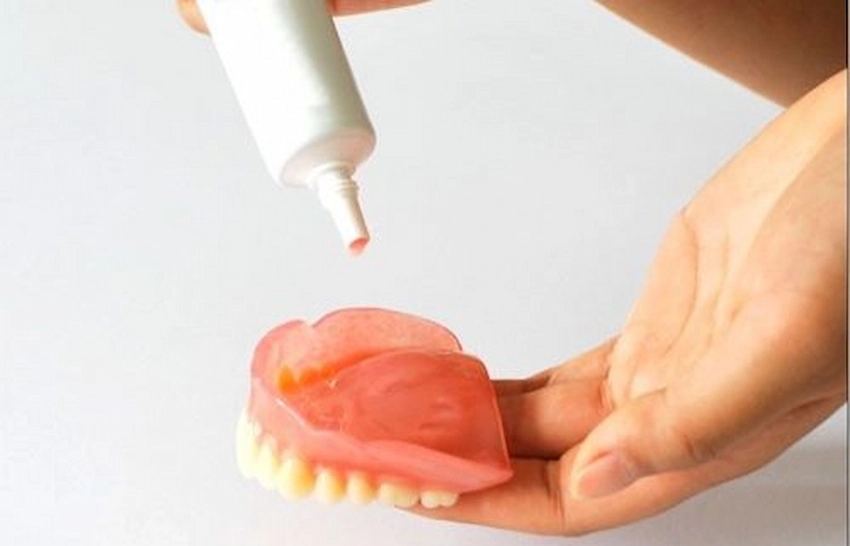
Belirtilerin Tanınması: Alerji mi Yoksa Uyumsuzluk mu?
Öncelikle, belirtilere daha yakından bakalım. Peki, gerçek bir alerji ile sadece kötü bir uyum arasındaki farkı nasıl anlarsınız? Bir ayakkabıda kötü bir uyum, çok dar bir ayakkabı gibidir. Eti sıkıştırır ve sürtünmenin en güçlü olduğu yerde sadece bir kabarcık oluşturur. Alerjik bir reaksiyon ise sadece tek bir noktada ortaya çıkmaz, genellikle tüm alanı kaplar. Aşağıdaki belirtilere dikkat edilmelidir:- Ağız içi veya diş eti bölgelerinde kızarıklık ve şişlik.
- Dil, dudaklar veya diş etlerinde yanma hissi (Yanık Ağız Sendromu).
- Diş eti dokusunun soyulması: Güneşten korumasız bir gün geçirdikten sonra geri dönmek gibi, diş etlerinizin dış tabakası soyulabilir.
- Hoş olmayan tat: Ağızda kaybolmayan acı veya metalik bir tat.
Hassas Gülüşler İçin Son Teknoloji Dişler
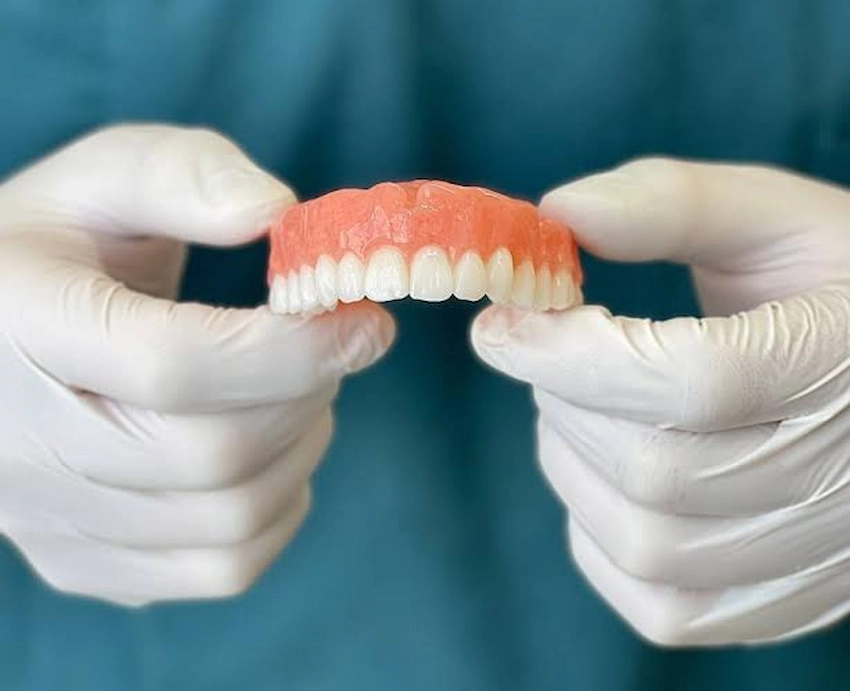
| Protez Tipi | Malzeme | Alerji Olasılığı | Klinik Fayda |
| Standart Protez | PMMA, Kobalt-Krom | Orta ila Yüksek | Ekonomik açıdan faydalı ancak tamamen diş etlerinden destek alır. |
| Esnek Protez | Naylon (örn. Valplast), Monomer İçermeyen | Çok Düşük | Dayanıklı ve monomer ile metal toksisitesine maruz kalmayı ortadan kaldırır. |
| İmplant Destekli Zirkonya | Titanyum İmplantlar, Katı Zirkonya | Neredeyse Sıfır | Lüks bir estetikle kemiğe sağlam tutunma ve diş eti tahrişi yok. |
Sıkça Sorulan Sorular
Akademik Referanslar
- Ali, A., Bates, J. F., Reynolds, A. J., & Walker, W. A. (1986). The influence of the curing cycle on the residual monomer levels of acrylic resin denture base polymers. Journal of Dentistry, 14(5), 237-241.
- Leggat, P. A., & Kedjarune, U. (2003). Toxicity of acrylic resin dental materials. International Dental Journal, 53(2), 63-68.
- Syed, M., Chopra, R., & Sachdev, V. (2015). Allergic reactions to dental materials: a systematic review. Journal of Clinical and Diagnostic Research, 9(10), ZE04-ZE09.
- Tosti, A., Peluso, A. M., Fanti, P. A., & Zucchelli, G. (1993). Contact stomatitis due to polymethyl methacrylate. Contact Dermatitis, 28(2), 112-113.
- Weaver, R. E., & Goebel, W. M. (1980). Reactions to acrylic resin dental prostheses. The Journal of Prosthetic Dentistry, 43(2), 138-142.
Sıkça sorulan sorular
For how much time can a soft liner fit well before it starts feeling loose?
A properly fitting soft liner will fit you comfortably anywhere from two to six months. But this also depends on the rate at which your gums shrink. Do not glue it when you find it loose after two weeks; rather, call a dentist to get it safely adjusted.
In the case of soft liners, are there adhesives that are safe and effective?
In case of emergency, an extremely light application of an adhesive powder is somewhat better than applying a thick paste. Powders can be rinsed off more easily. However, this should never be a regular practice, but just a temporary trick.
What is the best method to clean the soft liner without damaging it?
Think of it as a piece of delicate fabric. Do not press with a hard brush or use harsh toothpaste on the soft material,l as in most cases. Wash with warm water. Use a very soft brush or your fingers only to remove food particles.
How come my gums keep shrinking all the time?
The stimulation of natural tooth roots is required by the jawbone for it to stay strong. When you lose your teeth, the body starts absorbing the bone. This will change the shape of your mouth entirely, and in the end, your denture loses its fit.
Are hard reline or implants the only options eventually for me?
Of course, a soft liner is a step only. After the healing of your gums, the soft material is replaced with a hard acrylic resin. A slip-free, non-permanent, bone-loss-stopping solution is a dental implant, and it is a gold standard.