

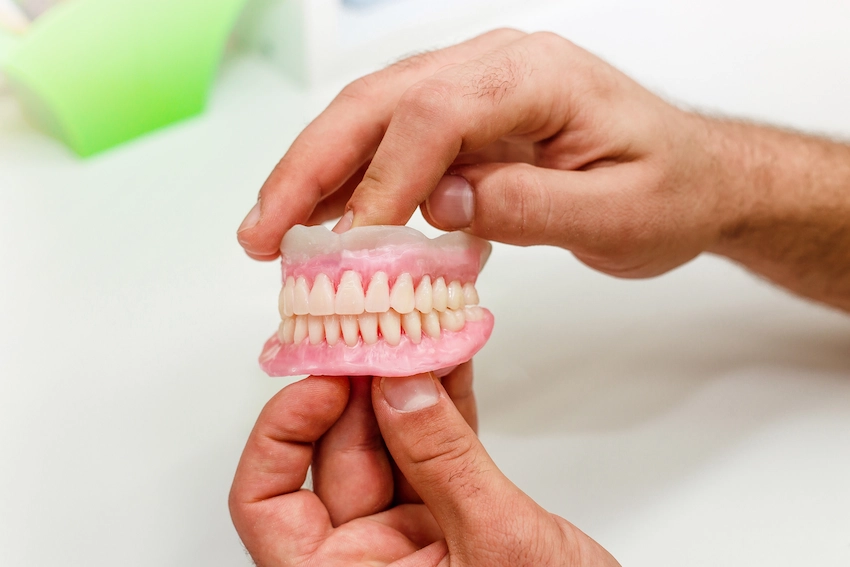
Can You Become Allergic to Dentures?
Yes, some people can become allergic or sensitive to denture materials, causing gum irritation or swelling.
What Is the Reason Behind a Denture Allergy?
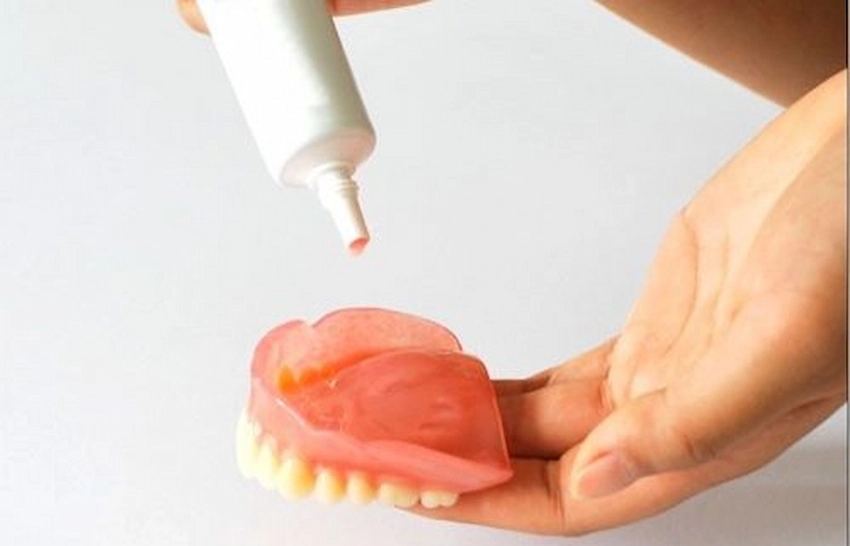
Recognition of Symptoms: Allergy or Poor Fit?
First, let's take a closer look at the symptoms. Then, how do you tell the difference between a real allergy and just a bad fit? A poor fit in something like a shoe is a very tight shoe. It squashes the flesh and then gives you only one blister in the place where the rubbing is the strongest. An allergic reaction, on the other hand, doesn't just come out at one spot, but it usually covers the whole area. Attention should be paid to the following symptoms:- Redness and swelling of the lining of your mouth or gum areas.
- Burning sensation on the tongue, lips, or gums (Burning Mouth Syndrome).
- Peeling gum tissue: Like returning from the sun after having spent a day without any protection, the outer layer of your gums might peel off.
- Unpleasant taste: A bitter or metallic taste in the mouth that does not disappear.
Cutting-Edge Teeth for Sensitive Smiles
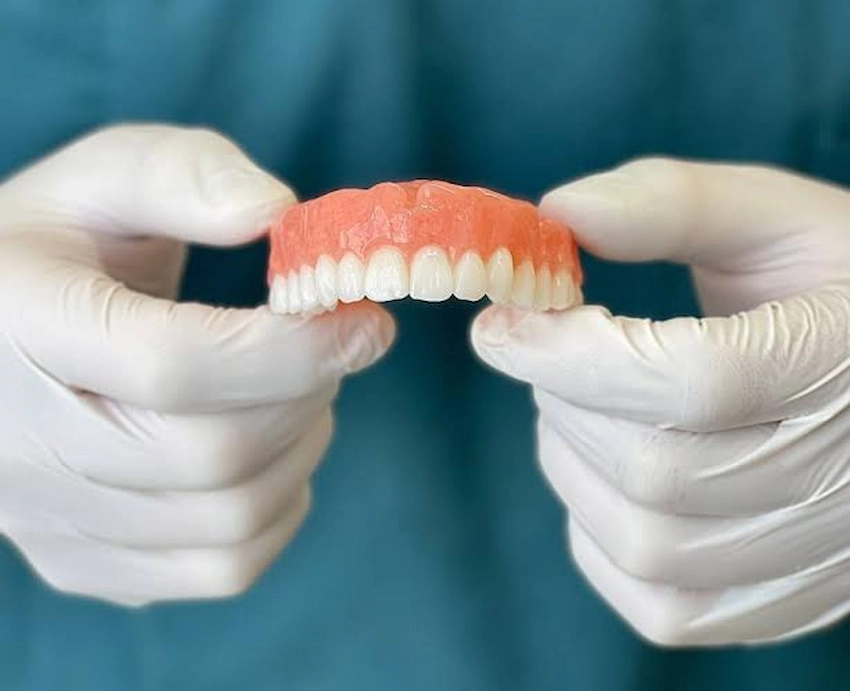
| Type of Prosthetic | Material | Likelihood of an Allergy | Clinical Benefit |
| Standard Denture | PMMA, Cobalt-Chrome | Moderate to High | Economically beneficial but entirely relies on the gums for support. |
| Flexible Denture | Nylon (e.g., Valplast), Monomer-Free | Very Low | Tenacious and eliminates exposure to monomer and metal toxicity. |
| Implant-Supported Zirconia | Titanium Implants, Solid Zirconia | Almost Zero | Firm anchoring to the bone with a luxury aesthetic and no gum irritation. |
Frequently Asked Questions
Academic References
- Ali, A., Bates, J. F., Reynolds, A. J., & Walker, W. A. (1986). The influence of the curing cycle on the residual monomer levels of acrylic resin denture base polymers. Journal of Dentistry, 14(5), 237-241.
- Leggat, P. A., & Kedjarune, U. (2003). Toxicity of acrylic resin dental materials. International Dental Journal, 53(2), 63-68.
- Syed, M., Chopra, R., & Sachdev, V. (2015). Allergic reactions to dental materials: a systematic review. Journal of Clinical and Diagnostic Research, 9(10), ZE04-ZE09.
- Tosti, A., Peluso, A. M., Fanti, P. A., & Zucchelli, G. (1993). Contact stomatitis due to polymethyl methacrylate. Contact Dermatitis, 28(2), 112-113.
- Weaver, R. E., & Goebel, W. M. (1980). Reactions to acrylic resin dental prostheses. The Journal of Prosthetic Dentistry, 43(2), 138-142.
Questions people ask
For how much time can a soft liner fit well before it starts feeling loose?
A properly fitting soft liner will fit you comfortably anywhere from two to six months. But this also depends on the rate at which your gums shrink. Do not glue it when you find it loose after two weeks; rather, call a dentist to get it safely adjusted.
In the case of soft liners, are there adhesives that are safe and effective?
In case of emergency, an extremely light application of an adhesive powder is somewhat better than applying a thick paste. Powders can be rinsed off more easily. However, this should never be a regular practice, but just a temporary trick.
What is the best method to clean the soft liner without damaging it?
Think of it as a piece of delicate fabric. Do not press with a hard brush or use harsh toothpaste on the soft material,l as in most cases. Wash with warm water. Use a very soft brush or your fingers only to remove food particles.
How come my gums keep shrinking all the time?
The stimulation of natural tooth roots is required by the jawbone for it to stay strong. When you lose your teeth, the body starts absorbing the bone. This will change the shape of your mouth entirely, and in the end, your denture loses its fit.
Are hard reline or implants the only options eventually for me?
Of course, a soft liner is a step only. After the healing of your gums, the soft material is replaced with a hard acrylic resin. A slip-free, non-permanent, bone-loss-stopping solution is a dental implant, and it is a gold standard.