

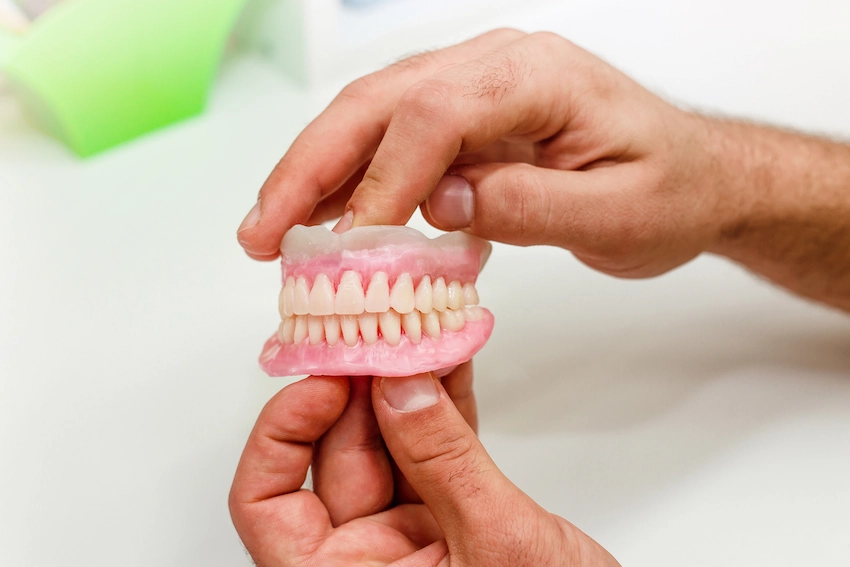
Может ли у вас развиться аллергия на зубные протезы?
Да, некоторые люди могут стать аллергичными или чувствительными к материалам зубных протезов, что вызывает раздражение или отек десен.
В чем причина аллергии на зубные протезы?
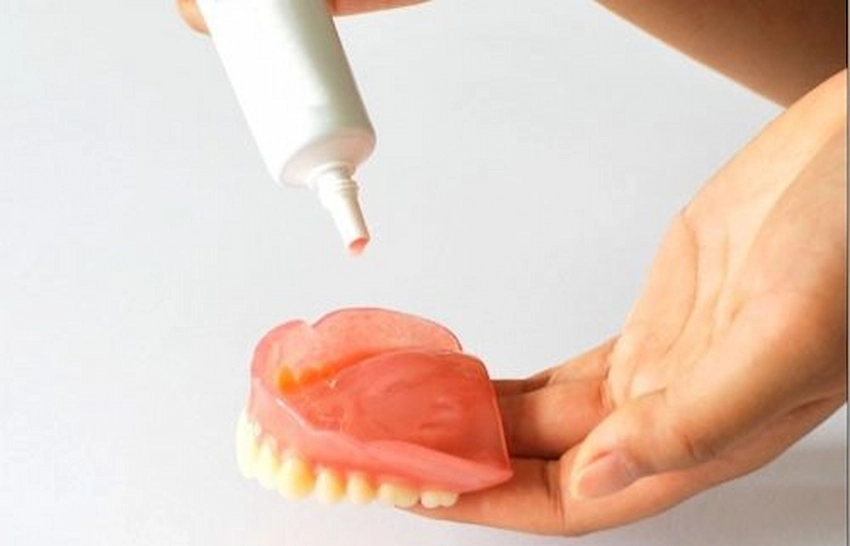
Распознавание симптомов: аллергия или плохая посадка?
Во-первых, давайте подробнее рассмотрим симптомы. Затем, как отличить настоящую аллергию от просто плохой посадки? Плохая посадка, например, в обуви — это очень тесная обувь. Она сдавливает плоть, а затем вызывает только один волдырь в месте самого сильного трения. Аллергическая реакция, напротив, проявляется не в одном месте, а обычно охватывает всю область. Следует обратить внимание на следующие симптомы:- Покраснение и отек слизистой оболочки рта или десен.
- Ощущение жжения на языке, губах или деснах (синдром жжения во рту).
- Шелушение тканей десен: Как после пребывания на солнце без защиты, внешний слой ваших десен может отслаиваться.
- Неприятный привкус: Горький или металлический привкус во рту, который не исчезает.
Передовые зубные протезы для чувствительных улыбок
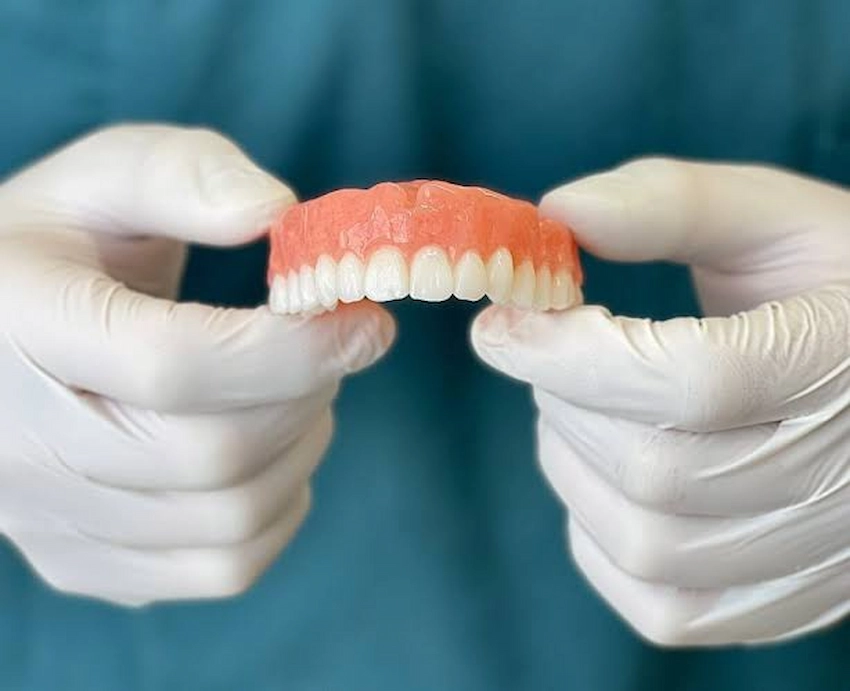
| Тип протеза | Материал | Вероятность аллергии | Клиническое преимущество |
| Стандартный протез | ПММА, кобальт-хром | Умеренная до высокой | Экономически выгоден, но полностью опирается на десны для поддержки. |
| Гибкий протез | Нейлон (например, Valplast), без мономера | Очень низкая | Прочный и исключает воздействие мономера и токсичность металлов. |
| Циркониевый протез на имплантатах | Титановые имплантаты, цельный цирконий | Почти нулевая | Надежная фиксация к кости с роскошной эстетикой и без раздражения десен. |
Часто задаваемые вопросы
Академические ссылки
- Ali, A., Bates, J. F., Reynolds, A. J., & Walker, W. A. (1986). The influence of the curing cycle on the residual monomer levels of acrylic resin denture base polymers. Journal of Dentistry, 14(5), 237-241.
- Leggat, P. A., & Kedjarune, U. (2003). Toxicity of acrylic resin dental materials. International Dental Journal, 53(2), 63-68.
- Syed, M., Chopra, R., & Sachdev, V. (2015). Allergic reactions to dental materials: a systematic review. Journal of Clinical and Diagnostic Research, 9(10), ZE04-ZE09.
- Tosti, A., Peluso, A. M., Fanti, P. A., & Zucchelli, G. (1993). Contact stomatitis due to polymethyl methacrylate. Contact Dermatitis, 28(2), 112-113.
- Weaver, R. E., & Goebel, W. M. (1980). Reactions to acrylic resin dental prostheses. The Journal of Prosthetic Dentistry, 43(2), 138-142.
Частые вопросы
For how much time can a soft liner fit well before it starts feeling loose?
A properly fitting soft liner will fit you comfortably anywhere from two to six months. But this also depends on the rate at which your gums shrink. Do not glue it when you find it loose after two weeks; rather, call a dentist to get it safely adjusted.
In the case of soft liners, are there adhesives that are safe and effective?
In case of emergency, an extremely light application of an adhesive powder is somewhat better than applying a thick paste. Powders can be rinsed off more easily. However, this should never be a regular practice, but just a temporary trick.
What is the best method to clean the soft liner without damaging it?
Think of it as a piece of delicate fabric. Do not press with a hard brush or use harsh toothpaste on the soft material,l as in most cases. Wash with warm water. Use a very soft brush or your fingers only to remove food particles.
How come my gums keep shrinking all the time?
The stimulation of natural tooth roots is required by the jawbone for it to stay strong. When you lose your teeth, the body starts absorbing the bone. This will change the shape of your mouth entirely, and in the end, your denture loses its fit.
Are hard reline or implants the only options eventually for me?
Of course, a soft liner is a step only. After the healing of your gums, the soft material is replaced with a hard acrylic resin. A slip-free, non-permanent, bone-loss-stopping solution is a dental implant, and it is a gold standard.