

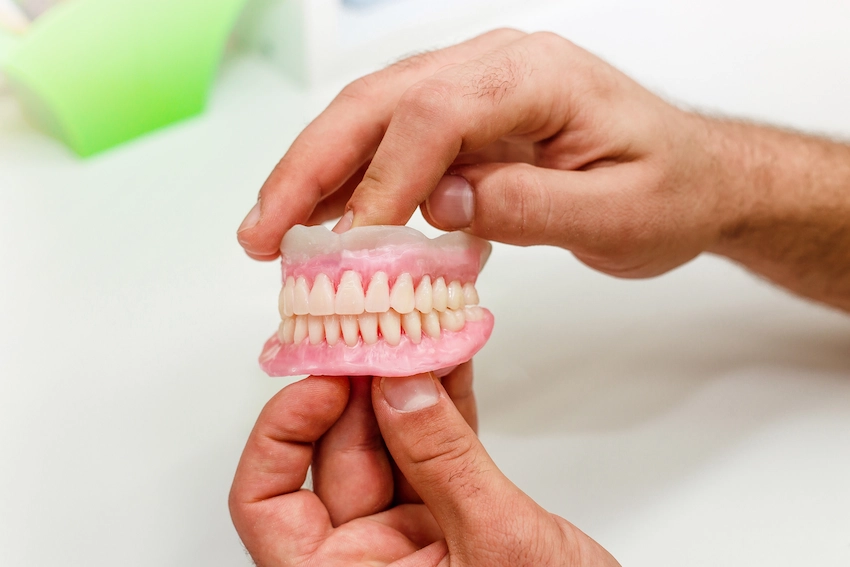
Kan man blive allergisk over for proteser?
Ja, nogle mennesker kan blive allergiske eller følsomme over for protesematerialer, hvilket forårsager irritation eller hævelse af tandkødet.
Hvad er årsagen til en proteseallergi?
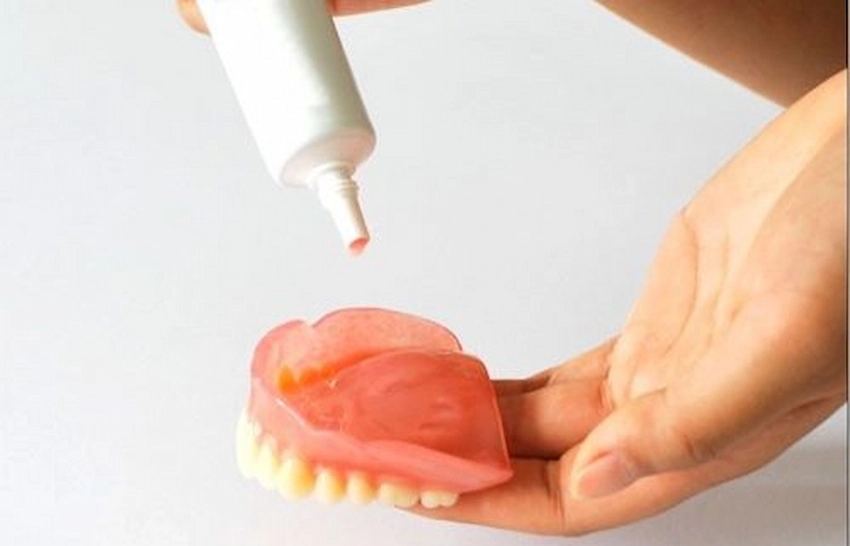
Genkendelse af symptomer: Allergi eller dårlig pasform?
Først, lad os se nærmere på symptomerne. Hvordan skelner du så mellem en ægte allergi og blot en dårlig pasform? En dårlig pasform i noget som en sko er en meget stram sko. Den klemmer huden og giver dig kun én vabel der, hvor gnidningen er stærkest. En allergisk reaktion, derimod, viser sig ikke kun ét sted, men dækker normalt hele området. Der skal lægges mærke til følgende symptomer:- Rødme og hævelse af mundslimhinden eller tandkødsområderne.
- Brændende fornemmelse på tungen, læberne eller tandkødet (Burning Mouth Syndrome).
- Afskallende tandkødsvæv: Som at vende tilbage fra solen efter at have tilbragt en dag uden beskyttelse, kan det yderste lag af dit tandkød skalle af.
- Ubehagelig smag: En bitter eller metallisk smag i munden, der ikke forsvinder.
Avancerede tænder til følsomme smil
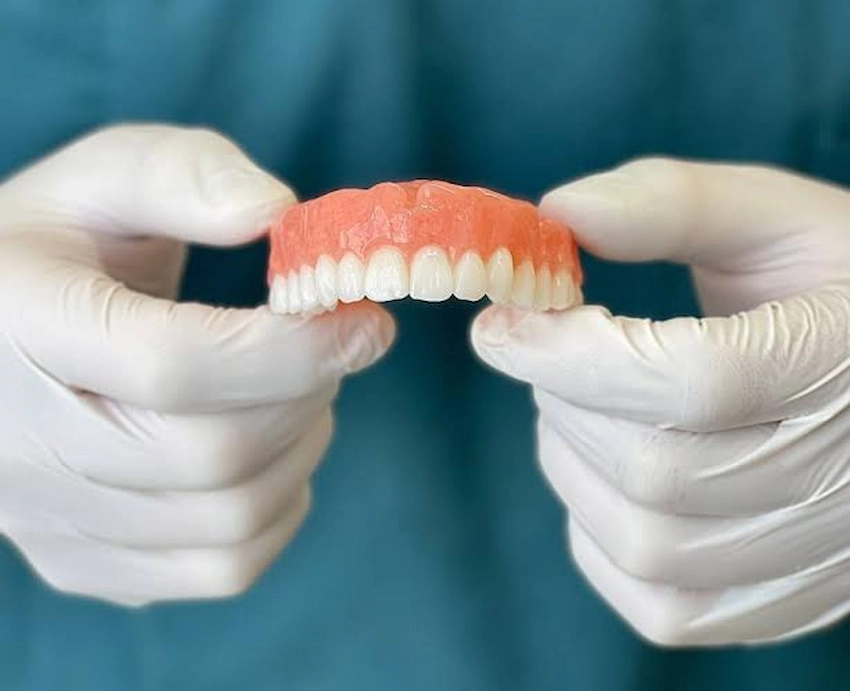
| Protesetype | Materiale | Sandsynlighed for allergi | Klinisk fordel |
| Standardprotese | PMMA, Kobolt-Krom | Moderat til høj | Økonomisk fordelagtig, men afhænger udelukkende af tandkødet for støtte. |
| Fleksibel protese | Nylon (f.eks. Valplast), Monomerfri | Meget lav | Robust og eliminerer eksponering for monomer- og metalgiftighed. |
| Implantatunderstøttet Zirkonium | Titaniumimplantater, Massiv Zirkonium | Næsten nul | Fast forankring til knoglen med en luksuriøs æstetik og ingen tandkødsirritation. |
Ofte Stillede Spørgsmål
Akademiske Referencer
- Ali, A., Bates, J. F., Reynolds, A. J., & Walker, W. A. (1986). The influence of the curing cycle on the residual monomer levels of acrylic resin denture base polymers. Journal of Dentistry, 14(5), 237-241.
- Leggat, P. A., & Kedjarune, U. (2003). Toxicity of acrylic resin dental materials. International Dental Journal, 53(2), 63-68.
- Syed, M., Chopra, R., & Sachdev, V. (2015). Allergic reactions to dental materials: a systematic review. Journal of Clinical and Diagnostic Research, 9(10), ZE04-ZE09.
- Tosti, A., Peluso, A. M., Fanti, P. A., & Zucchelli, G. (1993). Contact stomatitis due to polymethyl methacrylate. Contact Dermatitis, 28(2), 112-113.
- Weaver, R. E., & Goebel, W. M. (1980). Reactions to acrylic resin dental prostheses. The Journal of Prosthetic Dentistry, 43(2), 138-142.
Ofte stillede spørgsmål
For how much time can a soft liner fit well before it starts feeling loose?
A properly fitting soft liner will fit you comfortably anywhere from two to six months. But this also depends on the rate at which your gums shrink. Do not glue it when you find it loose after two weeks; rather, call a dentist to get it safely adjusted.
In the case of soft liners, are there adhesives that are safe and effective?
In case of emergency, an extremely light application of an adhesive powder is somewhat better than applying a thick paste. Powders can be rinsed off more easily. However, this should never be a regular practice, but just a temporary trick.
What is the best method to clean the soft liner without damaging it?
Think of it as a piece of delicate fabric. Do not press with a hard brush or use harsh toothpaste on the soft material,l as in most cases. Wash with warm water. Use a very soft brush or your fingers only to remove food particles.
How come my gums keep shrinking all the time?
The stimulation of natural tooth roots is required by the jawbone for it to stay strong. When you lose your teeth, the body starts absorbing the bone. This will change the shape of your mouth entirely, and in the end, your denture loses its fit.
Are hard reline or implants the only options eventually for me?
Of course, a soft liner is a step only. After the healing of your gums, the soft material is replaced with a hard acrylic resin. A slip-free, non-permanent, bone-loss-stopping solution is a dental implant, and it is a gold standard.