

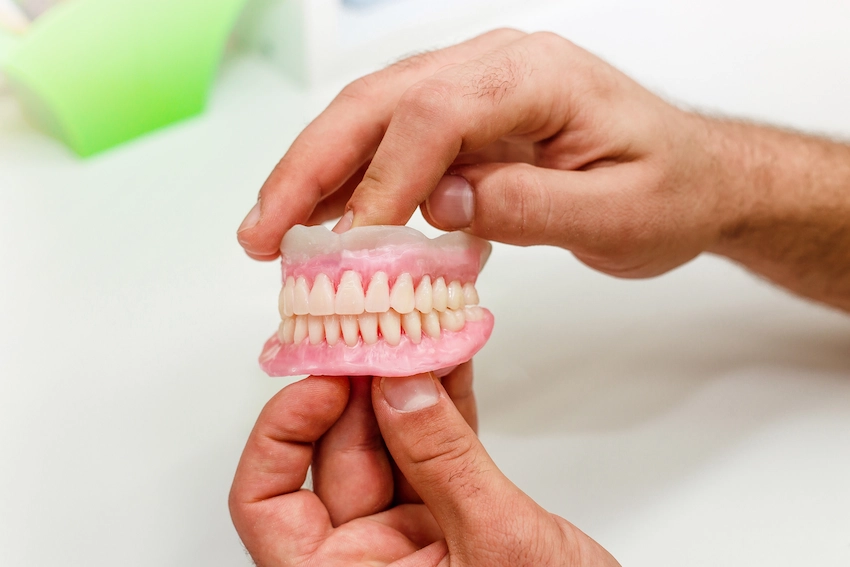
Kas te võite muutuda allergiliseks hambaproteeside vastu?
Jah, mõned inimesed võivad muutuda proteesimaterjalide suhtes allergiliseks või tundlikuks, põhjustades igemete ärritust või turset.
Mis on proteesiallergia põhjus?
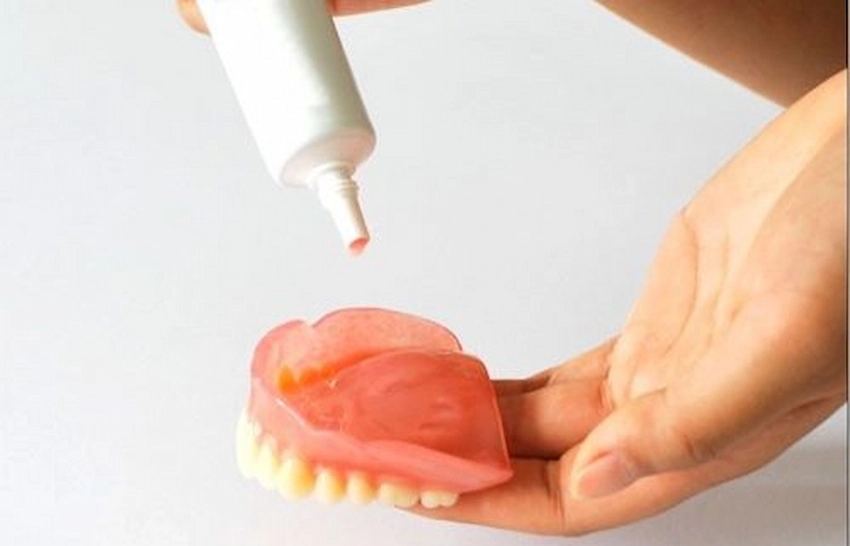
Sümptomite tuvastamine: allergia või halb sobivus?
Esmalt vaatame sümptomeid lähemalt. Kuidas siis eristada tõelist allergiat lihtsalt halvast sobivusest? Halb sobivus millegi puhul, näiteks kinga puhul, on väga kitsas king. See surub liha kokku ja tekitab seejärel vaid ühe villi kohas, kus hõõrdumine on kõige tugevam. Allergiline reaktsioon seevastu ei ilmne ainult ühes kohas, vaid katab tavaliselt kogu piirkonna. Tähelepanu tuleks pöörata järgmistele sümptomitele:- Suu limaskesta või igemepiirkondade punetus ja turse.
- Põletustunne keelel, huultel või igemetel (põletava suu sündroom).
- Igemekoe koorumine: Nagu päikesest naastes pärast päevitamist ilma igasuguse kaitseta, võib teie igemete välimine kiht maha kooruda.
- Ebameeldiv maitse: Kibe või metallimaitse suus, mis ei kao.
Tipptasemel hambad tundlikele naeratustele
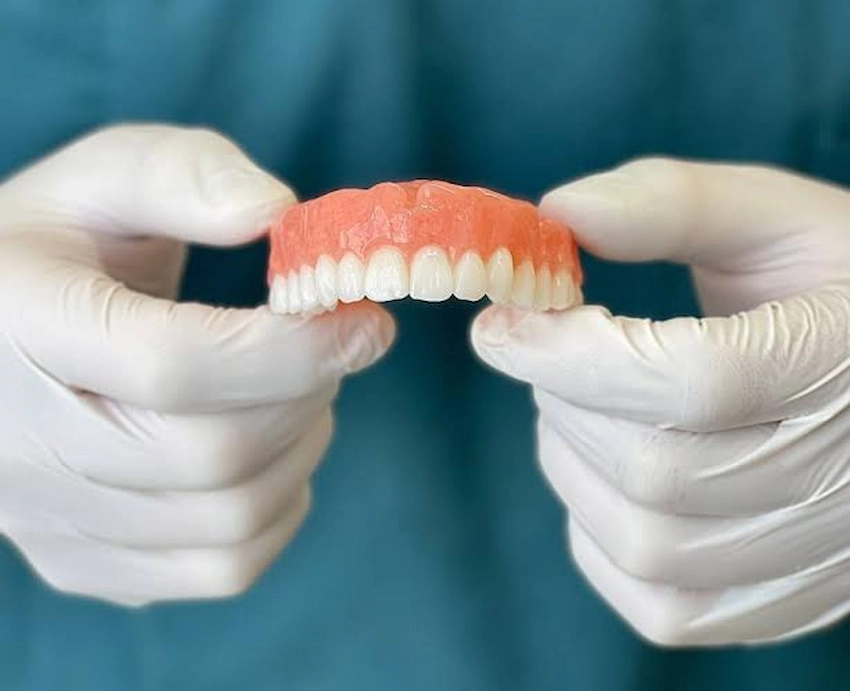
| Proteesi tüüp | Materjal | Allergia tõenäosus | Kliiniline kasu |
| Standardprotees | PMMA, koobalt-kroom | Mõõdukas kuni kõrge | Majanduslikult kasulik, kuid tugineb täielikult igemetele. |
| Painduv protees | Nailon (nt Valplast), monomeerivaba | Väga madal | Vastupidav ja välistab kokkupuute monomeeri ja metalli toksilisusega. |
| Implantaatidele toetuv tsirkoonium | Titaanimplantaadid, tahke tsirkoonium | Peaaegu null | Kindel kinnitus luu külge luksusliku esteetikaga ja ilma igemeärrituseta. |
Korduma Kippuvad Küsimused
Akadeemilised viited
- Ali, A., Bates, J. F., Reynolds, A. J., & Walker, W. A. (1986). The influence of the curing cycle on the residual monomer levels of acrylic resin denture base polymers. Journal of Dentistry, 14(5), 237-241.
- Leggat, P. A., & Kedjarune, U. (2003). Toxicity of acrylic resin dental materials. International Dental Journal, 53(2), 63-68.
- Syed, M., Chopra, R., & Sachdev, V. (2015). Allergic reactions to dental materials: a systematic review. Journal of Clinical and Diagnostic Research, 9(10), ZE04-ZE09.
- Tosti, A., Peluso, A. M., Fanti, P. A., & Zucchelli, G. (1993). Contact stomatitis due to polymethyl methacrylate. Contact Dermatitis, 28(2), 112-113.
- Weaver, R. E., & Goebel, W. M. (1980). Reactions to acrylic resin dental prostheses. The Journal of Prosthetic Dentistry, 43(2), 138-142.
Korduma kippuvad küsimused
For how much time can a soft liner fit well before it starts feeling loose?
A properly fitting soft liner will fit you comfortably anywhere from two to six months. But this also depends on the rate at which your gums shrink. Do not glue it when you find it loose after two weeks; rather, call a dentist to get it safely adjusted.
In the case of soft liners, are there adhesives that are safe and effective?
In case of emergency, an extremely light application of an adhesive powder is somewhat better than applying a thick paste. Powders can be rinsed off more easily. However, this should never be a regular practice, but just a temporary trick.
What is the best method to clean the soft liner without damaging it?
Think of it as a piece of delicate fabric. Do not press with a hard brush or use harsh toothpaste on the soft material,l as in most cases. Wash with warm water. Use a very soft brush or your fingers only to remove food particles.
How come my gums keep shrinking all the time?
The stimulation of natural tooth roots is required by the jawbone for it to stay strong. When you lose your teeth, the body starts absorbing the bone. This will change the shape of your mouth entirely, and in the end, your denture loses its fit.
Are hard reline or implants the only options eventually for me?
Of course, a soft liner is a step only. After the healing of your gums, the soft material is replaced with a hard acrylic resin. A slip-free, non-permanent, bone-loss-stopping solution is a dental implant, and it is a gold standard.