


Choose toothpaste based on fluoride, gum health, sensitivity, whitening needs, and your dentist’s advice.
Walking down the oral care aisle feels overwhelming. You see hundreds of colorful boxes. They all promise dazzling white smiles and quick fixes. The truth is, most of that packaging is just clever marketing. The actual science of daily oral hygiene is very straightforward.
Buying the perfect toothpaste is not about spending the most money. It is about recognizing what your teeth really need. You must keep them safe from daily sugar, coffee, and acid.
Main Guardian: The Importance of Fluoride
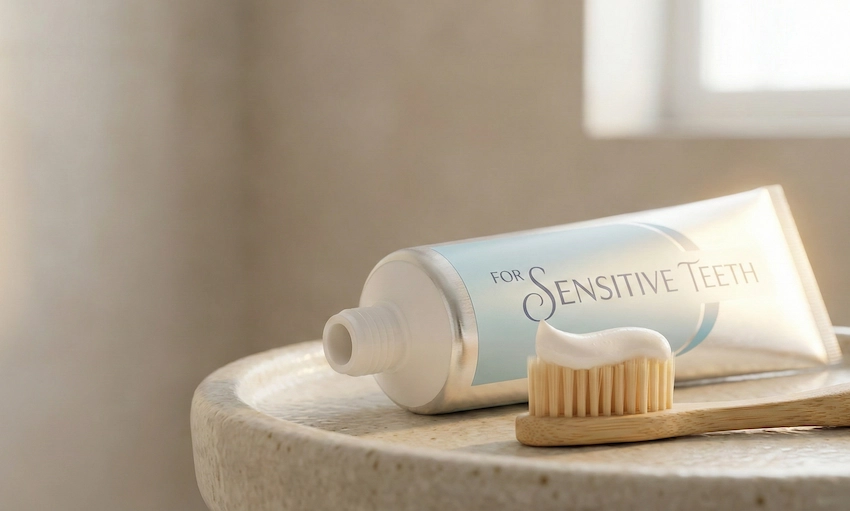
Quite a number of international patients book their flights to Turkey with us to receive full dental treatment. They are usually curious whether the use of fluoride is a must or not. What do we witness in the clinic? Enamel, if left without fluoride, is very fragile. Imagine a brick wall with no mortar. The wall may stand for some time without support. However, continuous acid attacks will eventually lead to its destruction.
In fact, fluoride acts like a secret armor. It heals very small spots where the enamel is fragile, even before these areas are turned into cavities. Professor Doctor Coşkun Yıldız, a prominent personality, often points out, “If you don’t use fluoride, it’s the same as ignoring the most powerful weapon that modern dentistry can offer.”
Deciphering the Label: What’s Inside?
Each paste has a different function. Your selection should be tailored to the condition of your individual teeth. But let’s scrutinize those extensive ingredient lists and understand their significances.
| Type of Toothpaste | Principal Active Components | Targeted Use | Regulatory Note |
| Fluoride / Anti-Cavity | Sodium Fluoride | For all-around protection | Appropriate for adults. Children should be given a pea-sized amount. |
| Desensitizing | Potassium Nitrate | Troubled by tooth sensitivity | May take up to 3 weeks of consistent daily use for maximum effectiveness. |
| Whitening | Hydrated Silica | Helps to remove stains from coffee | Highly abrasive products can gradually wear down the enamel. |
| Tartar Control | Zinc Citrate | For heavy plaque accumulation | It might cause slight gum irritation in some individuals. |
Whitening Pastes Uncovered
Everyone aspires to have a beaming smile. The dilemma is at what price? Many whitening pastes available at supermarkets contain powerful abrasives. The abrasives go about the surface of your teeth and physically wear away the stains.
Imagine the abrasives as coarse sandpaper used for polishing a wooden desk. The sandpaper easily removes dirt. If you go too far and keep scrubbing, you end up stripping the desk of its protective varnish. Dentist Polen Akkılıç and her team give a lot of time to help our aesthetic patients comprehend this issue. Continuously using highly abrasive pastes can lead to the thinning of your enamel at a rapid rate.
Caring for Your Dental Enhancements
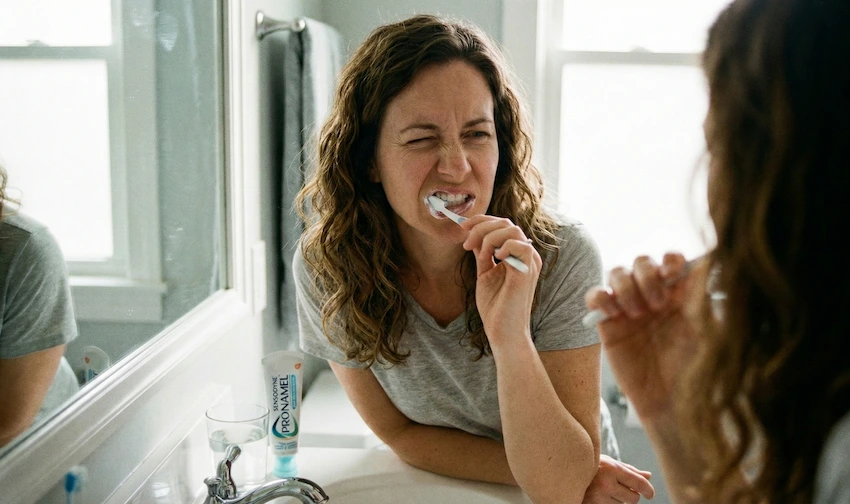
At Lema Dental Clinic, based on our professional knowledge, we have seen that beautifying the teeth with the help of porcelain needs extra attention. It is not possible to treat high-grade porcelain in the same way as natural enamel.
If you are a wearer of Zygomatic implants, veneers, or a full Hollywood Smile, do not even think of using highly abrasive whitening pastes. They will cause the creation of micro-scratches on your porcelain surfaces. This will lead to the loss of their sparkling qualities. We always advise the use of mild, non-whitening gel pastes. By doing so, your personalized restorations will continue to be appealing to the eye for many years to come.
Frequently Asked Questions
You only require a tiny amount – the size of a pea. Advertisers showcase a huge blob of paste to tempt you into buying more.
Absolutely. One effective way to alleviate sensitivity is to use a toothpaste with potassium nitrate as its main ingredient. It works by blocking the transmission of pain signals from the exposed tubules in the dentin to the nerves. Most importantly, the regular use of the product according to your daily routine for a few weeks will help to maximize its effectiveness.
Definitely not. Charcoal is way too abrasive a substance. On the one hand, it is capable of removing coffee stains, but on the other hand, it also damages your enamel, which is the protective layer of your teeth. This layer cannot be regenerated by the body.
It is not a big deal. You should look for a product that contains active fluoride and is approved by the dental profession. It can even be a simple tube costing three dollars and still be efficient in maintaining your healthy smile.
Refrain from rinsing straight away. Just spit out the surplus paste. Allow the invisible coating to remain on your teeth. If you rinse immediately, you will wash away the beneficial fluoride down the drain.
- Carey, C. M. (2014). Focus on fluorides: update on the use of fluoride for the prevention of dental caries. Journal of Evidence-Based Dental Practice, 14, 95-102.
- Zero, D. T. (2006). Dentifrices, mouthwashes, and remineralization/caries arrestment strategies. BMC Oral Health, 6(1), S9.
- Joiner, A. (2010). Whitening toothpastes: a review of the literature. Journal of Dentistry, 38, e17-e24.
- Poulsen, S., Errboe, M., Lescay Mevil, Y., & Glenny, A. M. (2006). Potassium-containing toothpastes for dentine hypersensitivity. Cochrane Database of Systematic Reviews, (3).
- Lippko-Cikowska, M., & Kaczmarek, U. (2021). Abrasive properties of toothpastes and their impact on enamel and dentin wear. Advances in Clinical and Experimental Medicine, 30(2), 223-231.

