


Sugar, Acid, and Grinding Risks
People usually think of teeth as very durable tools, the hardest material in our bodies. Actually, enamel is stronger than bone. However, even the strongest armor is vulnerable at some points. From our clinical exposure at Lema Dental Clinic in Turkey, we encounter patients every day who are stunned that their “permanent” teeth are deteriorating.
Tooth failure, in fact, is rarely a sudden event. It is a gradual, persistent attack. Professor Doctor Coşkun Yıldız often compares a tooth to a historical monument; it can survive centuries of weather, yet acidic rain and continuous friction will inevitably wear it down.”
If you intend to keep your grin intact, you have to recognize the trespassers before they break in.”
Sugar-acid cycle: the most notorious offender
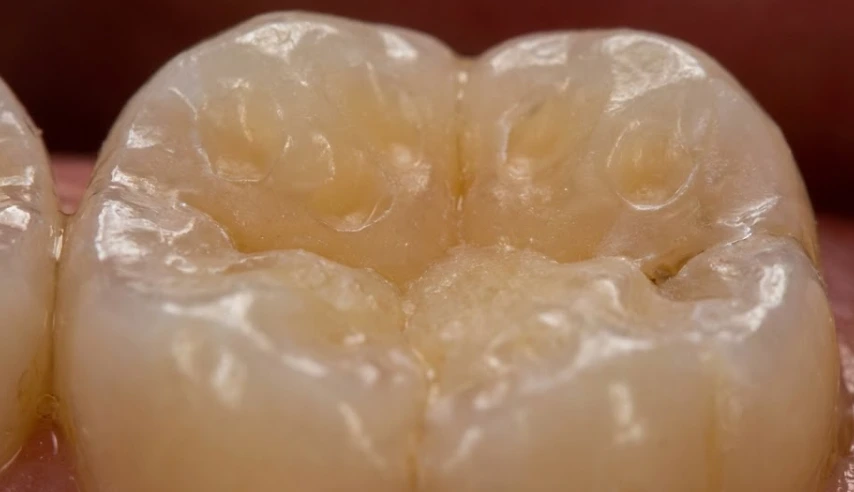
People often identify sugar as the main reason behind tooth decay. But what if we looked closer? Sugar alone does not come in direct contact with your enamel. The real villain is the bacteria that reside in your mouth.
These microorganisms feed on the sugar that you consume and as their waste product, they release acid. This acid is, in fact, the main destructive agent. It wears away the minerals that give your enamel its strength. Picture your enamel as a brick wall, acid is like a special chemical that dissolves the mortar which is holding the bricks together. When the mortar is gone, the whole structure becomes weak.
Polen Akkılıç, a dentist, with her team, put a lot of emphasis on “frequency” being even more dangerous than “quantity.” Drinking a sugary soda during four hours step by step is by far more damaging than consuming a chocolate bar in five minutes.
Physical assault: the ones via Bruxism and mechanical wear
Chemical assaults are, no doubt, very common, but physical damage is often more brutal. We are referring to bruxism—the unconscious grinding or clenching of teeth.
The question is: how much damage can a human jaw really do? Truthfully, the jaw muscles have a tremendous capacity to exert force, sometimes being compared to the pressure of a nutcracker. By grinding your teeth unconsciously during sleep, essentially, you are doing the same thing as stones getting rubbed against each other. Eventually, this will wear down the biting surfaces, lead to the development of hairline cracks, and can even result in the tooth breaking near the gumline.
Factors of Destruction: A Comparative View
To understand the threats, we need to categorize them by how they attack the tooth structure.
| Factor | Type of Attack | Primary Source | Risk Level |
| Sugar/Biofilm | Bacterial Acid | Sweets, refined carbs, poor flossing. | Extreme (Leading cause of decay) |
| Dietary Acid | Chemical Erosion | Lemons, energy drinks, soda. | High (Thins the protective shield) |
| Bruxism | Mechanical Friction | Stress, sleep apnea, jaw misalignment. | High (Causes structural cracks) |
| Trauma | Impact Force | Sports injuries, using teeth as tools. | Moderate (Instant destruction) |
The Silent Threat: Dry Mouth and Neglect
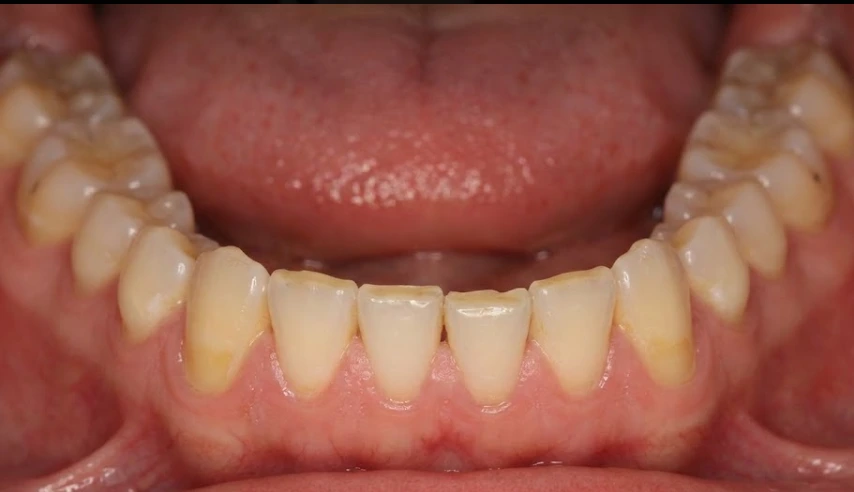
Despite that, to the great neglect of many, saliva is the real hero in your mouth. Saliva does the job of a natural “rinse”, and it is a mineral bath that is constantly repairing microscopic damage to enamel.
The question is: what if the fountain just quit working? Drugs and disease can lead to the production of dry mouth (xerostomia) as one of the common side effects. Our mouth is naturally protected by saliva which is the first line of defense for the teeth. Without it, acids build up and minerals are lost. At Lema Dental Clinic, we have seen the fact that dryness in the mouth could make cavities develop even faster up to 300% within only a few months.
How We Restore the Foundation in Turkey
When the damage is done, we have to look at reconstruction. Dentist Polen Akkılıç and her team often use zirconia crowns or porcelain veneers to “resurface” teeth that have been decimated by acid or grinding. These materials act as a new, artificial enamel—a second chance for your smile. However, Professor Doctor Coşkun Yıldız always reminds our patients that even the best restoration requires a change in habits to survive.
FAQ: Direct Insights from the Clinical Team
The reality is that juice can be worse. While it has vitamins, it is often incredibly high in both sugar and natural acids. If you drink it, use a straw to bypass the teeth and rinse with water immediately after.
No. Enamel is not a living tissue. You can “remineralize” slightly soft areas with fluoride, but once a hole (cavity) forms or the thickness is gone, only a dentist can replace it with synthetic materials.
This is usually a sign of mechanical wear. Whether from grinding or an abrasive diet, your teeth are being filed down. In our clinical experience in Turkey, we often see this in patients who have high stress levels.
Absolutely. It’s a double-threat. It dries out the mouth (removing saliva protection) and restricts blood flow to the gums, which eventually leads to bone loss and tooth loss.
Rinse with water after every meal. It sounds simple, but neutralizing the pH in your mouth as quickly as possible stops the acid attack before it starts.
- Addy, M., & Shellis, R. P. (2006). Interaction between attrition, abrasion and erosion in tooth wear. Monographs in Oral Science, 20, 17-31.
- Lussi, A., & Carvalho, T. S. (2014). Erosive tooth wear: a multifactorial condition of growing importance and relavance. Caries Research, 48(2), 93-107.
- Zero, D. T. (1996). Etiology of dental erosion—extrinsic and intrinsic factors. European Journal of Oral Sciences, 104(2), 162-177.
- Johansson, A. K., et al. (2008). Dental erosion, soft drink consumption, and oral health habits. European Journal of Oral Sciences.
- Malo, P., & de Araújo Nobre, M. (2011). The “All-on-4” treatment concept for the rehabilitation of the completely edentulous mandible. Clinical Implant Dentistry and Related Research.

