


Zinc-free, saliva-friendly denture adhesives are less likely to cause dry mouth.
It is indeed very difficult to lose your own natural teeth. Finally, you get a gorgeous pair of new dentures, but then a dry mouth spoils the fit. Your teeth will slip, rub, and hurt.
Have you ever had the feeling that your mouth was so dry it was almost full of cotton? Do you observe your dentures slipping out while eating? You are probably experiencing a dry mouth condition, xerostomia, in medical terms. The main issue is, if there is no natural saliva, how do you make sure that your dentures are still firmly in place? Grabbing a good adhesive is not only about a firm grip. The most important thing is to keep your gums healthy, moist, and without pain.
Why Is It That Dry Mouth Ruins Your Denture’s Fit?
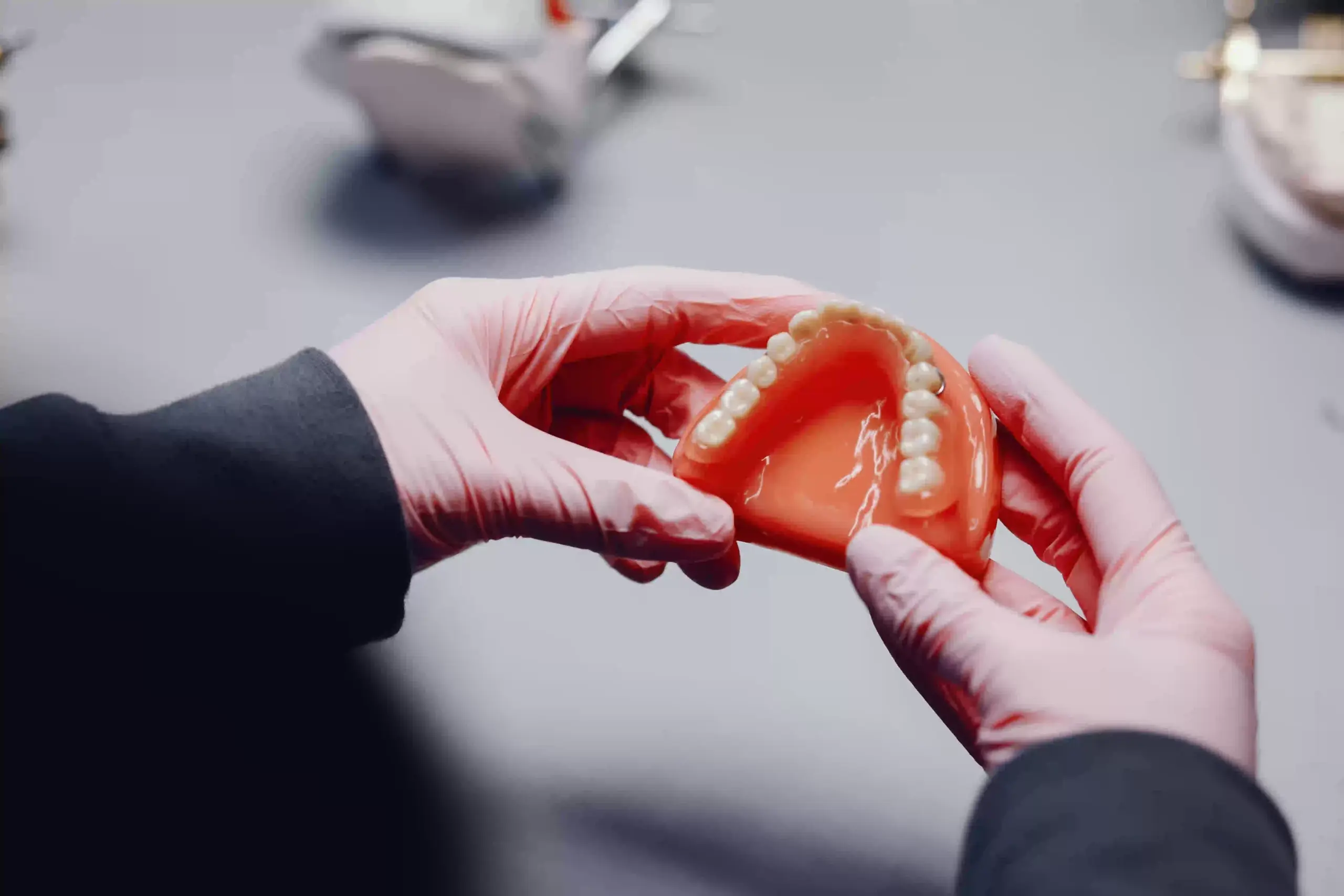
Think of your jawbone as the building’s foundation. The denture is the house built on it. In a healthy mouth, the saliva acts like glue in bonding the two. It is similar to the water trapped between two pieces of glass. It provides great suction.
However, in the absence of moisture, the natural sealing is lost. Wearing a denture on dry gums is like a dry sponge rubbed with sandpaper. The friction will definitely lead to raw and sore sores.
This is what happens in reality. Patients come to Lema Dental Clinic from different parts of the world. Usually, they blame their dentures for a bad fit. At times, we need to make some adjustments to the acrylic base. But mostly, the true culprit is a dry mouth combined with the incorrect adhesive.
Who Cares? Adhesives That Drain Your Moisture
It’s important to note that not every denture cream is equal. Some harm is caused by drawing the moisture away from your gums. They escalate a minor dry mouth to a severely painful one.
Professor Doctor Coşkun Yıldız highlights that typical powder adhesives are really the worst for a dry mouth. Powders require your natural saliva to work. If your mouth is dry, the powder is going to remain rough. It will never get a chance to swell and form a bond.
The older paste adhesives have similar issues. A lot of them contain heavy zinc and thick fillers. These leave a strong hold on the plastic denture. They, however, can cause the delicate skin of your gums to become very dry.
Top Adhesives For Dry Mouth
Which denture adhesive would not cause a dry mouth? You are after a product that is like a sponge absorbing water, and not a vacuum that sucks the water out.
Here in Turkey, Dentist Polen Akkılıç, together with her team, dedicates a lot of time to educating patients on how to interpret product labels. The top picks for a dry mouth have these overarching features in common:
- Moisture-Locking Polymers: These are the components that you should be on the lookout for, such as Carboxymethylcellulose (CMC). When you gulp water, the presence of these minute particles is what allows them to hold on to the moisture. They keep the water held against the gums for the entire day.
- Aloe Vera: Nowadays, good adhesives are made with the help of plant extracts that have a soothing effect. Aloe vera is known for its ability to calm down inflamed gums and counteract friction-caused sores.
- Zinc-Free Formulas: Dry gums can be further aggravated by zinc. Choosing a zinc-free product would be a lot better in terms of being kind to the mouth tissue.
| Adhesive Type | Dry Mouth Risk | How It Works | Best For… |
| Powder Adhesives | High | Needs large amounts of natural saliva to swell and adhere. | Patients with abundant natural saliva. |
| Standard Pastes | Medium | Creates a dense barrier. When dry, it may give a chalky feel. | Patients with minor, occasional dryness. |
| Hydrating Pastes (with Aloe/CMC) | Low | Locks water onto the gums. Tissue is comforted. | Patients with the most severe, frequent dry mouth. |
| Adhesive Strips | Low | A physical pad that does not rely on saliva for its function. | Patients with flat gums and dry mouth. |
Clinical Tips Outside the Box
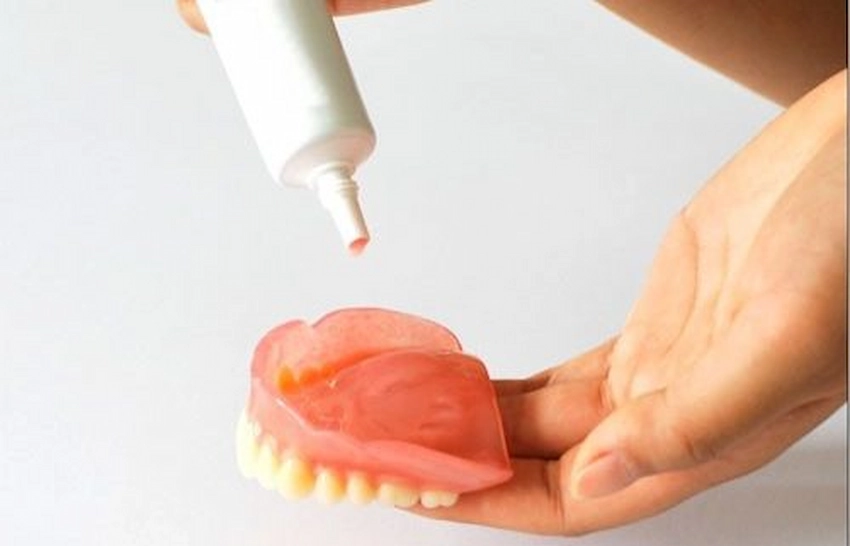
Of course, a really good glue is very helpful, but it is definitely not a magic wand. If protecting your smile is what you want to do, it is about time that you started following these steps:
- Dampen Your Denture Before Applying Adhesive: The sticking process is initiated when the cream is applied to a damp denture. This way, it will not pull water from your gums.
- Saliva Substitutes: Get yourself an oral lubricant spray. Before you put your dentures in, spray them in your mouth. This is going to create a smooth and slippery layer.
- Night Gums Rest: Samease eggshell skin, your gum tissue is thin. It needs to breathe. Remove your dentures at night so that your gums have a chance to heal and rehydrate.
FAQs
My mouth feels very dry since getting dentures. Why?
Your dentures alone can never be the cause of low saliva production. However, as we get older, our salivary glands naturally decrease their work. Besides, high blood pressure drugs and many other types of medications result in dry mouth, too. Your denture only brings to your attention the dryness because it is in contact with your gums.
Is it okay if I use tap water to wet my denture adhesive?
Certainly, yes. When you have dry mouth, we, in fact, ask you to put your paste on a wet denture. This is so that the glue is activated even before the plastic comes in contact with your mouth.
Is it possible to use Vaseline under dentures for dry mouth?
Absolutely not. Vaseline, after some time, breaks down the acrylic of your denture. Besides, it provides no grip at all. You should stay with actual denture adhesives and safe mouth sprays.
How do I clean sticky adhesive off my dry gums?
Dry gums are fragile. Do not scrub them harshly. Use warm, salted water to dissolve the gum. After that, use a very soft baby toothbrush to gently remove any remaining gum.
I have perfectly fitting dentures. Do I still need adhesive for dry mouth?
According to our clinical experience, even a denture that is perfect requires saliva for suction. If you have absolutely no spit, the best denture is going to slip. A very thin layer of hydrating adhesive is like the imitation spit you are missing.
Academic References
- Turner, M., & Ship, J. A. (2007). Dry mouth and its effects on the oral health of elderly people. The Journal of the American Dental Association, 138, 15S-20S.
- Grasso, J. E. (2004). Denture adhesives: changing attitudes. The Journal of the American Dental Association, 135(1), 81-86.
- Felton, D., Cooper, L., Duqum, I., Minsley, G., Guckes, A., Haug, S., … & Sweitzer, B. A. (2011). Evidence-based guidelines for the care and maintenance of complete dentures. The Journal of the American Dental Association, 142(2), 1S-20S.
- Thomson, W. M. (2015). Issues in the epidemiological investigation of dry mouth. Gerodontology, 32(1), 65-76.
- Ikebe, K., Matsuda, K. I., Morii, K., Furuya-Yoshinaka, M., Peligro-Bactad, C. G., & Nokubi, T. (2005). Association of salivary flow rate with oral function in a sample of community-dwelling older adults in Japan. Oral Surgery, Oral Medicine, Oral Pathology, Oral Radiology, and Endodontology, 99(1), 43-50.

