


Denture adhesive overuse can cause irritation or health risks.
It happens nearly every day. A patient is in the consultation chair expressing their weariness and frustration. They share how they cover their meals with thick layers of denture paste just to be able to eat. Most folks would say the worst aspect of denture cream is either the sticky mess or the bad taste.
However, it goes way beyond that. Excessive dependence on denture pastes every day could lead to serious and hidden health issues that develop over time.
If you have been using these adhesives for years to prevent a loose denture from falling out, then you have company! However, let’s discover what it really is that this toothpaste contains. We should find out its effects on your body and why the only safe solution is to address the root cause of your dental problem.
Zinc Poisoning: The Hidden Hazard of Denture Adhesives
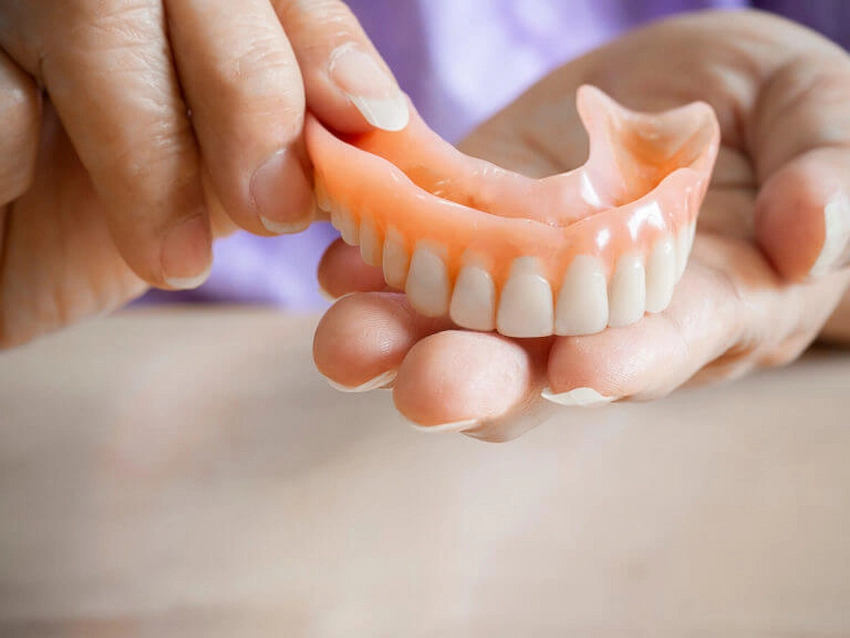
Zinc is an ingredient in a lot of denture adhesives that helps them stick tightly and durably for the entire day. Your body needs a very small quantity of zinc to stay in good health and carry out its immune functions effectively. If you think of zinc as the salt you add to a pot of soup, then ever so slightly sprinkling it would flavor the soup perfectly. But if you dump the whole salt shaker, you’ve ruined the dish. The same is true in your body when you get exposed to too much zinc.
When dentures do not fit properly, more adhesive is used. As a result, one continuously ingests small quantities of the pastes throughout the day. Such practice leads to the accumulation of dangerous zinc levels in the bloodstream. On top of that, elevated zinc levels drive copper out of the body quite effectively.
The lack of copper at the highest level is the cause of nerve damage. Professor Doctor Coşkun Yıldız says that patients with very strange neurological problems often come to us. Symptoms such as finger numbness, toe tingling, or sudden muscle weakness can be experienced by these patients. Usually, they are completely unaware that the cause of their problem is their daily use of dental paste.
Bone Loss in the Jaw: The Hidden Price of Dentures
If you wonder why denture adhesives are so necessary, the answer is the tissue underneath the gums.
When natural teeth are lost, the jawbone is no longer stimulated by the forces of chewing. Bone without roots is just bone, which will be resorbed. Imagine a house built on a layer of soil not stabilized by deep concrete pillars. When heavy rain falls, the soil can easily be washed away.
Therefore, the shrinking of the jawbone results in the dentures becoming distorted. Dentures that were a perfect fit five years ago will no longer stay in place. They will move around and rub against the gums, eventually causing discomfort and pain. Dentist Polen Akkılıç and her team frequently see patients with severe bone loss who have been wearing ill-fitting dentures for a long time. For such patients, the first reaction to loose-fitting dentures was to use more and more layers of toxic paste.
Let us share what we encounter at the clinic: individuals become stuck in a vicious cycle. Bone diminishes, dentures get loose, and they buy more glue. The detrimental effects just magnify themselves.
The Good Way Out: Paste vs. Implants
Presently, a lot of denture-wearing patients are choosing to stop laboring with adhesive-laden, messy removable dentures. Those who come to Turkey to benefit from modern dental treatments should be aware that our purpose at the clinic is very clear: we want to do away with dentures needing adhesives altogether.
What is the comparison between the old methods and today’s modern solutions?
| Dental Solution | Annoyance at a routine level | Immense whole-body health risks | Habit of the jawbone |
| Conventional Dentures (with adhesive) | Very high (Removing them is sticky, daily bleach) | High (Possibility of zinc poisoning and nerve damage) | Very bad (Bone progressively dissolves) |
| All-on-4 / All-on-6 Implants | Very low (Simply brush and use water-floss as usual) | None | Very good (Implants induce the bone formation) |
| Zirconium Fixed Bridges | Very low (Simply brush and use water-floss as usual) | None | Very good (Facial shape preservation) |
Implants – The Ultimate Solution in Turkey
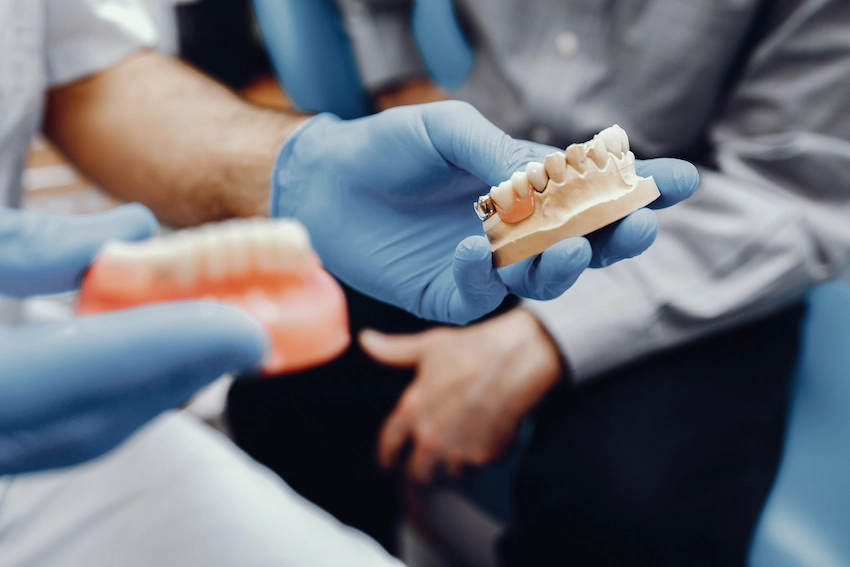
No more teeth slipping out of one’s mouth during a dinner. Also, you should not be risking nerve damage just to be able to eat comfortably.
At Lema Dental Clinic, we do not rely on the old “paste and pray” approach anymore. Instead, we have switched to using advanced methods. Our main tool is All-on-4 implants. For patients with serious bone loss, implants are the right choice. Teeth are fixed firmly in the jawbone. This leads to the creation of a beautiful smile that can hardly be distinguished from natural teeth in both looks and use.
It is quite a valid question: why continue to buy jars of poisonous paste while dentistry nowadays can solve the problem at the root permanently?
Frequently Asked Questions
Is zinc poisoning clinically possible from the denture adhesive?
Unfortunately, yes. If your dentures are loose and to stabilize them, you are using more than one standard tube of zinc-based adhesive every few weeks to stabilize them, you are surely taking in excessive zinc. This could harm your nerves, leading to tingling and numbness in your extremities.
What is the actual amount of adhesive that is safely allowed to be used?
Ideally, a denture should result in almost no use of adhesive. If you really need some, then at most you should use three or four very small drops. If you have to squeeze a thick, solid line of paste just to get through lunch, your dentures do not fit your mouth anymore.
What are the reasons my dentures have been getting looser with the passing of the years?
Your jawbone acts like a muscle. If you don’t work it, you lose it. Dentures simply lie on the gums rather than being fixed in the bone. As time passes, the bone that is not stimulated shrinks. When the bone diminishes, the hard plastic denture will have less and less area to cling to.
If I change over to an implant, would I ever resort to adhesive?
You will never do that. Implant dentistry is like that. We fix your new teeth by attaching them to tiny titanium rods that are implanted into your jaw. That means on the very day of your operation, you can throw the old adhesive tubes away.
Are implants painful in comparison to living with bad dentures?
Most patients express their surprise at the speed and ease with which they recover. Living with loose dentures every day leads to continuous rubbing, bleeding, and painful chewing. Implants are a carefully planned and accurate intervention. We guarantee your comfort and assure you that you will have no pain during the surgery. Usually, our patients state that a couple of days of slight discomfort are a far better bargain than a lifetime of slipping and uncomfortable plastic.
Academic References
- Nations, S. P., Boyer, P. J., Love, L. A., Burritt, M. F., Butz, J. A., Wolfe, G. I., … & Trivedi, J. R. (2008). Denture cream: an unusual source of excess zinc, leading to hypocupremia and neurologic disease. Neurology, 71(9), 639-643.
- Spinazzi, M., De Lazzari, F., Tavolato, B., Angelini, C., Manara, R., & Armani, M. (2007). Myelo-optico-neuropathy in copper deficiency occurs after significant weight loss. Journal of Neurology, 254(5), 682-684.
- Carlsson, G. E. (2014). Responses of the jawbone to pressure. Gerodontology, 31(1), 2-7.
- Misch, C. E. (2007). Contemporary Implant Dentistry. Mosby Elsevier.
- Zarb, G. A., & Schmitt, A. (1990). The longitudinal clinical effectiveness of osseointegrated dental implants: the Toronto study. Part III: Problems and complications encountered. The Journal of Prosthetic Dentistry, 64(2), 185-194.

