


Use denture adhesives only when dentures need extra hold, not as a fix for a poor fit.
Losing your teeth is really tough. It changes your speech, your eating habits, and even your smile. For a long time, dentures were the main solution, and a tube of denture adhesive was usually found right next to them in the bathroom.
Actually, denture paste is a very good product for the appropriate user. It provides an extra layer of security for big meals or long talking sessions. But let’s examine it in more detail. When does it become a bad habit to depend on that sticky paste?
In fact, at Lema Dental Clinic in Turkey, based on our clinical work, this is exactly what we witness most of the time. Patients are silent sufferers. They use thick layers of adhesive as a cover for real dental issues.
So here is a clear guide on exactly when you need to use an adhesive and when it’s time to put the tube down.
When TO Use Denture Adhesives: The Safe Zone
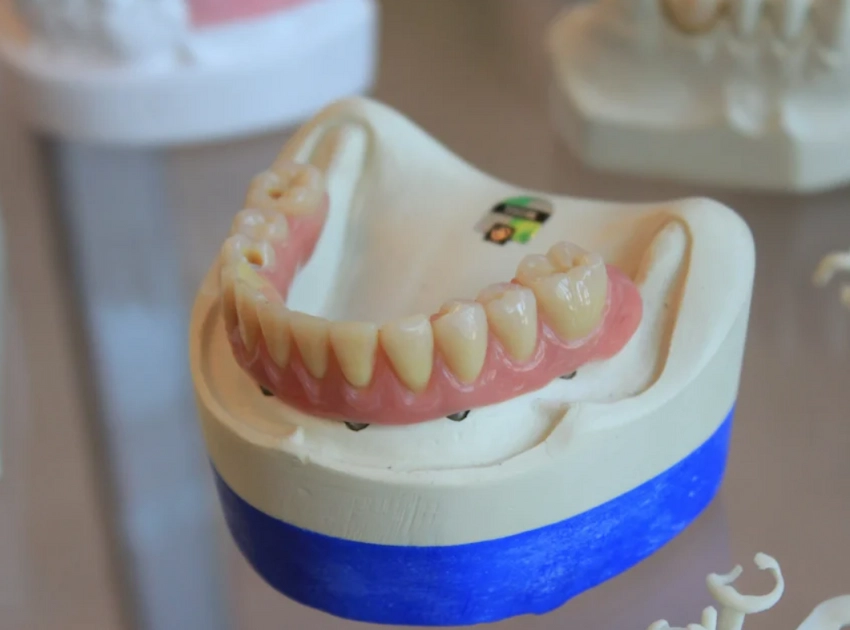
Imagine denture adhesive as a walking cane that gives a little extra help to a healthy body while not being a substitute for a missing leg.
When patients use it correctly, here is what we normally see at the clinic:
- Getting Used to Biting: When your dentures are brand new, your mouth will need a little while to get acquainted. A tiny drop of paste will give you that confidence while your cheek muscles learn to hold the teeth in place.
- If You Have a dry mouth: With saliva, the upper teeth have a natural suction. If you are taking medication that causes dry mouth, the seal will become loose. This is the time when a small dose of adhesive can safely occupy the role of saliva.
- Major Occasions: A speaker or a singer on stage may use it just to feel confident. Even the perfect fit may slip a bit.
When NOT TO Use Denture Adhesives: The Danger Zone
The dilemma continues: why do people misuse these pastes? Oftentimes, it happens because their jawbone is diminishing. Regrettably, their fake teeth remain the same size.
Your jawbone is like the floors of a house. The roots of your natural teeth are the support system of this bone. The bone starts to disappear when these roots are taken away. The denture that fitted you like a glove five years ago will suddenly fit you loosely and even wobble.
It is dangerous to use more and more adhesive to fill that ever-increasing gap.
Professor Doctor Coşkun Yıldız regularly reminds, “You must never resort to fixing a poor fit with adhesive. The bone shrinks, but the solid plastic does not. Using heavy paste to force a fit only leads to the deterioration of your bone and gums.”
You should immediately discontinue the use of adhesives if:
- You need to apply it more than once a day.
- Your gums bleed, or you have sore spots inside your mouth.
- You require a very thick layer just to eat a simple meal.
- You are using a lot of zinc-containing paste. It has the potential to damage your nerves over time.
The Hidden Cost of Adhesives
Understanding the reason why masking a bad fit is bad for your health requires you to visualize the changes occurring in your mouth over time.
| Feature | Regular Dentures (with Heavy Adhesive) | Implant Teeth (All-on-4/6) |
| Bone Health | Bone is lost because of friction. | Bone is kept strong just as real roots do. |
| Bite Strength | Almost no bite force. | Strong, natural biting of hard food. |
| Taste | The roof of the mouth is covered. | The roof of the mouth is open, allowing the enjoyment of taste. |
| Daily Care | Adhesive is messy, and dentures have to be soaked overnight. | Implants stay put. They are brushed as real teeth. |
| Long-Term Fit | New adjustments need to be made every few years. | Implants provide a permanent, unchanged fit. |
Moving Beyond Adhesives
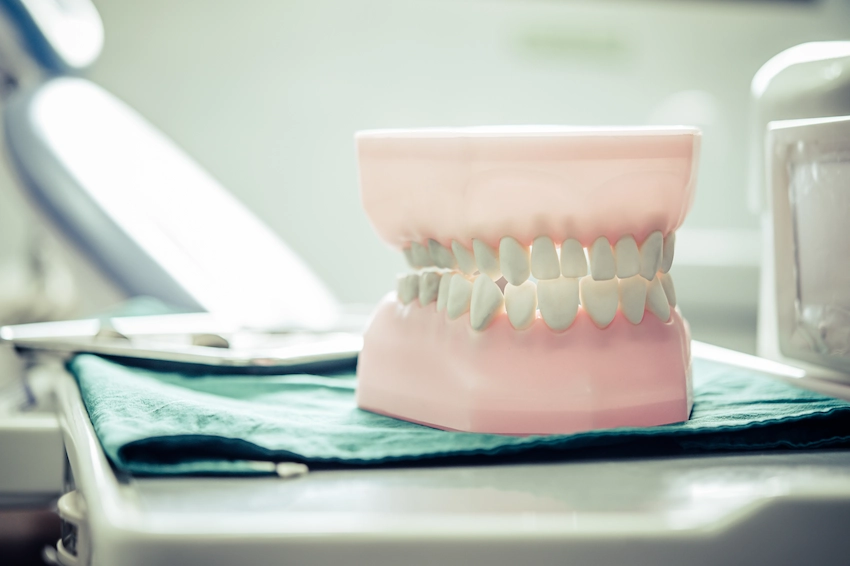
This is a clear indication from your body that your base is weakening when you are buying by the bucket.
The permanent exit from the cycle of glued-on loose dentures comes with today’s dentistry. Turkey becomes the favorite destination for patients willing to get rid of loose teeth. Dentist Polen Akkılıç and her team are the ones behind these changes.
We use titanium metal rods for roots and attach a full set of teeth directly to the alveolar bone. The fear of slipping is gone. The use of paste is a thing of the past. A smile full of confidence is here to stay.
Frequently Asked Questions
As your doctor, I want to assure you that swallowing a tiny bit is okay. Manufacturers anticipate this and formulate the adhesive so that minor ingestion will not be harmful. However, if you swallow substantial amounts, particularly through the usage of thick layers, you risk harm to both your stomach and overall health.
The least amount is better! My constant reminder to patients is no more than three small spots inside the denture. Never fill the whole groove. If it spills out the sides when you bite down, you used way too much.
This is the most typical gripe we hear. Your plastic teeth certainly did not morph; it was the bone supporting your teeth that shrank. This is something that happens when you lose your natural teeth. More paste is not what you require. It is the dentist who can make your denture fit better by reshaping it. Dental implants might be needed.
No, please don’t do this. Your gums need air during the night. Wearing fitted dentures to bed only traps harmful germs against your skin. This leads to horrible fungal infections. Remove them, clean thoroughly, and allow your mouth to rest.
If the adhesive gets stuck to your gums and is very difficult to remove, try the following. The first suggestion is to rinse your mouth with warm water and then gently brush your gums with a toothbrush that has very soft bristles. The second suggestion is to use a warm, clean washcloth to gently wipe your gums. However, be careful not to wipe too hard.
Academic References
- Carlsson, G. E. (2014). Responses of the jawbone to pressure. Gerodontology, 31(1), 2-7.
- Coates, A. J. (2000). Usage of denture adhesives. Journal of Dentistry, 28(2), 137-140.
- Felton, D., Cooper, L., Duqum, I., Minsley, G., Guckes, A., Haug, S., … & Sweitzer, B. (2011). Evidence-based guidelines for the care and maintenance of complete dentures: a publication of the American College of Prosthodontists. Journal of Prosthodontics, 20(s1), S1-S12.
- Grasso, J. E. (2004). Denture adhesives: changing attitudes. Journal of the American Dental Association, 135(1), 81-86.
- Nations, C., & Dodge, C. (2006). Zinc toxicity: a review of the literature and implications for the prosthodontic patient. The Journal of Prosthetic Dentistry, 95(3), 256-258.

