


Human beings usually associate good oral health with brushing, flossing, and visiting the dentist. Nevertheless, there is one thing that is always put in the least position, although quite essential, and comes from the body itself- saliva. It is hard to believe, but saliva acts as a bodyguard for the mouth and gums. In addition to keeping the mouth at a certain moisture level, it also performs the function of a welcome committee, a cavity defender, and even a breath refresher.
This piece will be a walk-through of the incredible protective role of saliva in and against your smile, symptoms caused by a lack of saliva, as well as natural ways to increase saliva. Lastly, we will relate the saliva factors of oral health to bright Hollywood Smile changes at Lema Dental Clinic in Istanbul.
Why Saliva Is More Important Than You Think
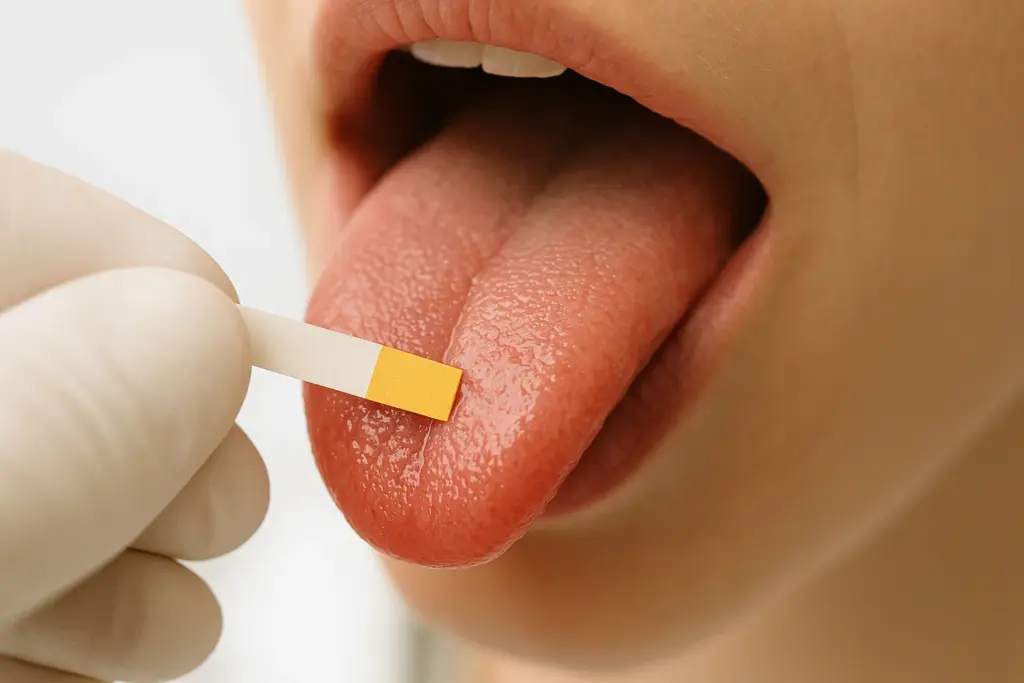
Anyhow, saliva is a very small player in the big team of oral hygiene, but that doesn’t mean that it is not very important. Every time you do something with your mouth, such as talking, eating, or swallowing, saliva is there to serve you. It binds up the food, catering to the needs for chewing, and letting you enjoy the food that you like without any struggle. Without it, doing simple things such as talking and eating crackers would become very difficult.
Saliva, on the other hand, is not only for comfort—it is loaded with minerals such as calcium and phosphate. Think of them as repair kits invisible to the naked eye that provide the teeth with the necessary components of enamel, and also seal the very small cracks in the enamel layer. Thus, saliva helps the teeth to repair at a microscopic level. Neat, huh?
Ever tried to imagine your teeth as a castle? Then saliva should be the guards and the moat that protect your enamel from enemies like sugar, acid, and bacteria. Without saliva, that castle would be destroyed much quickly.
Saliva’s Role in Fighting Cavities and Bacteria
Your teeth are constantly being attacked. Bacteria in your mouth produce acids every time you eat sugary or starchy foods. They are the ones to offer your enamel for the feast. This is the way cavities take birth. Here is the place where saliva becomes the hero, it certainly is—factor by which it neutralizes the acids before they can finish the job.
Saliva is not only battling with acids, but it is also loaded with enzymes and proteins that target the bacteria directly. The enzymes serve as natural antibacterial agents that lower the chances of gum infections, cavities, and oral thrush. The mouth is like an armored ship on the high seas, and saliva is its captain at the helm.
Without toothpaste, brushing your teeth wouldn’t work—it just wouldn’t be the same. This is sort of what it would be like without saliva. Brushing and flossing are good for your oral health, but saliva is the one that always takes care of your teeth, even in between brushings.
How Saliva Helps with Digestion and Fresh Breath
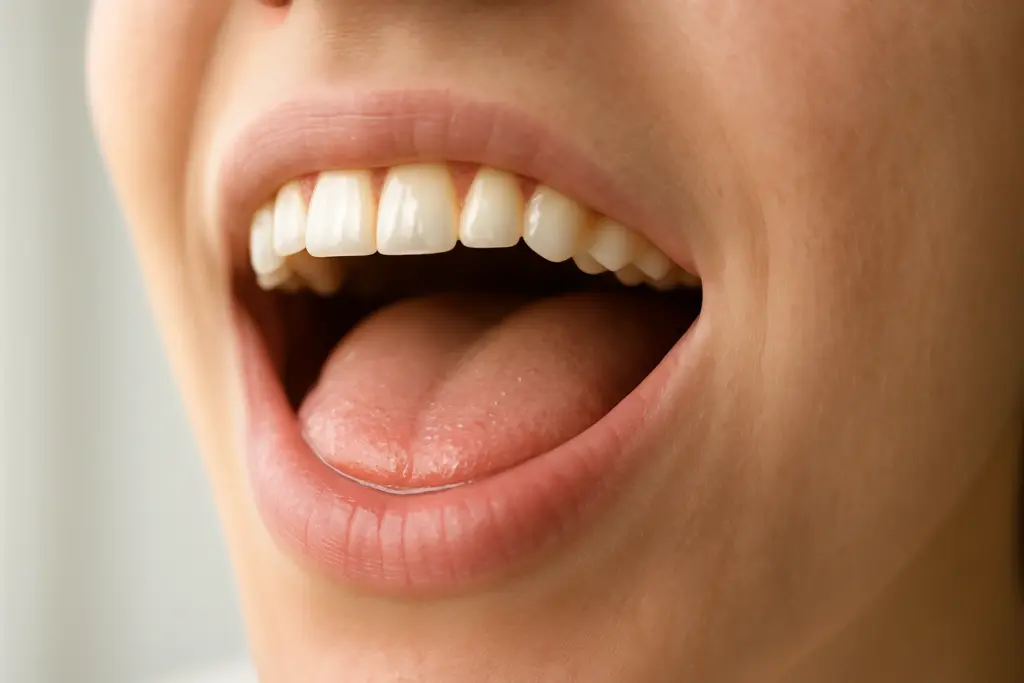
Saliva is the one that takes care of your teeth, but it plays a role in digestion as well. Saliva is packed with enzymes like amylase that begin the process of digestion even before food reaches the stomach. It is for this reason that a piece of bread gets sweeter as you chew it—the enzymes have already started the work.
Saliva also performs a huge task in the body; it is responsible for keeping the breath of the mouth fresh. It takes away the tiny portions of food that remain between teeth and the bacteria living in the mouth that cause the smell all the time. “Morning breath,” does it ever happen to you? The fact is that the delivery of saliva decreases considerably at night, and the bacteria find there a nice and comfortable place to settle and multiply. In this way, the breath gets bad. While you are active during the day, saliva keeps the germs that cause odor at the lowest level, so you can have fresher breath.
In a situation where a person does not have adequate saliva, several people may utter that they have bad breath, which is persistent and cannot be covered by mints or mouthwashes. Thus, the secretion of saliva from the salivary glands is one of the top natural weapons that can fight against bad breath.
The Connection Between Dry Mouth and Dental Problems
Xerostomia, or dry mouth, is a condition where the body fails to secrete enough saliva. It may first manifest as minor discomfort, such, the person is constantly thirsty and has a sticky sensation on the tongue; in addition, the person finds it difficult to eat dry foods. But it turns into a big problem in the long run.
The less saliva, the more defenseless the teeth are against the fight. As a consequence, the period of acid attacks prolongs, the bacteria that cause cavities multiply faster than usual, and the probabilities of tooth decay increase a lot. Gingivitis and bad breath, which accompany, also become frequent. Even if people with dry mouth brush and floss their teeth regularly, they still experience more dental problems than others.
The factors leading to xerostomia may be stress, lack of water in the body, the influence of some medicines, and so on. The point is that one should not leave it unheeded. If the dry mouth is still there after several weeks or months, it may destroy the smile that you have in a way that is hard to reverse.
Habits and Foods That Boost Healthy Saliva Flow

Fortunately, there are also easy and natural ways to activate your mouth to produce more saliva. Among these ways, it is advisable to choose one of the simplest, which is the use of sugar-free gum. Besides, gum chewing will stimulate the salivary glands, which in turn will make them secrete a rapid dose of the mouth’s protection. The consumption of fruits and vegetables having a crunchy texture, such as apples, celery, and carrots, will also activate your saliva glands.
Keep in mind that being properly hydrated is also one of the top methods to increase saliva flow. Water is not only the best thing for the body, but it is also the most necessary thing for the mouth. When one is dehydrated, the rate of saliva secretion goes down, and the teeth lose their protective layer. So, by watering yourself the whole day through, you will, in fact supplying your mouth with the protection it needs.
On the other hand, you should not forget that some habits can contribute to the reduction of saliva flow. Consumption of alcohol, smoking, and caffeine is one of the things that can decrease salivary secretion. Stress can be another factor, but it is possible to say that it has a small effect on the oral health of the person. So, relaxation exercises can also be a way to get some small help in your oral health. Besides, by consuming more foods rich in vitamin C and antioxidants, the salivary glands can also receive some support, which will keep the oral hygiene safe.
When to See a Dentist About Dry Mouth
Not every dry mouth case should be treated medically. However, it may be a dry mouth symptom of a bigger problem. For example, if you are always thirsty and it is hard for you to swallow, at this moment you should consider seeing a dentist.
Only a professional doctor can make a diagnosis and reveal the cause of dry mouth, whether it is medications, health conditions, or lifestyle habits. They can also suggest the use of salivary substitutes, drugs, prescription mouthwashes, and fluoride applications as ways of maintaining dental health. The sooner you consult for assistance, the more ways there are to safeguard your teeth from future issues.
Avoiding dry mouth not only causes discomfort, but it also places you at risk. Consequently, the aid of competent dental experts is instrumental if you happen to be in such a situation.
FAQ: Frequently Asked Questions
Saliva neutralizes acids, washes away bacteria, and provides minerals that strengthen enamel, making it harder for cavities to form.
Dry mouth can be caused by stress, dehydration, medications, or health conditions. Drinking water, chewing gum, and professional dental treatments can help.
Yes, dehydration lowers saliva flow and leads to dry mouth. Staying hydrated is one of the simplest ways to protect your teeth.
Absolutely! Saliva clears out odor-causing bacteria and food particles, keeping your breath naturally fresh throughout the day.
Chewing sugar-free gum, eating crunchy fruits and veggies, and drinking enough water are all great natural ways to boost saliva.

