


Yes, swallowing too much denture adhesive can cause stomach discomfort or nausea.
If you do ask me, it is a frustrating experience for many people. You apply denture cream and go about your day. However, by the time lunch rolls around, the adhesive fails. That sticky, metallic paste is released and mixed with your saliva, leading to involuntary swallowing. You end up having no alternative.
For quite a while, people thought that this somewhat messy and not very practical way was the usual part of having dentures. The main question is: what happens if you swallow the denture adhesive all the time? Is it possible that the glue for dentures can cause problems with the stomach?
Definitely, we are still human beings, and our stomachs cannot digest synthetic plastics, chemical preservatives, and heavy metals.
This is what happens in your body and how dental care today can solve the problem:
The Chemistry of Denture Glue: What Are You Swallowing?
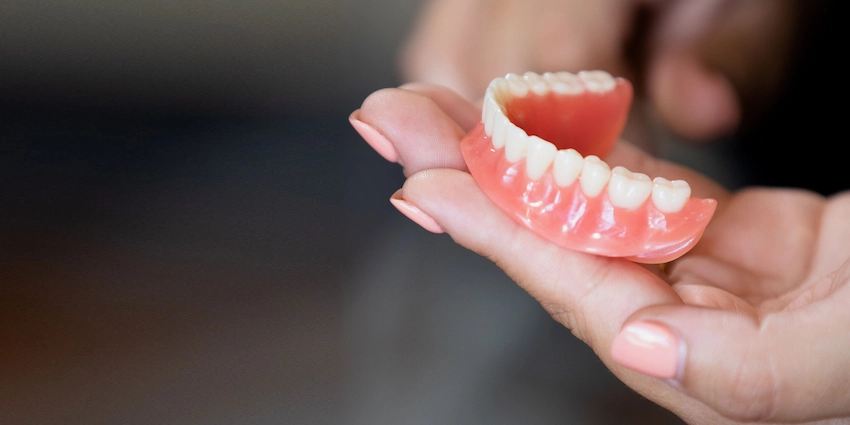
Most commercially available denture adhesives consist of a combination of synthetic polymers, gums, and flavorings. These pastes, once mixed with your saliva, increase significantly in size. As a result, a temporary suction cup effect against your gums is created.
Let’s analyze what truly goes on when that seal breaks:
By swallowing the adhesive, it goes directly to your stomach. The human stomach is like a delicate, balanced engine that requires precise acid levels for breaking down the food. The introduction of water-absorbing plastics results in his being confused. It is similar to introducing a lump of wet cement into a very precise and fine watch. Your body has to make an extra effort to push this fake material through your system.
Such continuous irritation leads to the following very real symptoms:
- Nausea after eating
- Stomach bloating and cramping
- Indigestion, heartburn
- Sudden changes in your bathroom habits, including diarrhea
The Elephant in the Room: Zinc Toxicity
A slight stomach discomfort is indeed very annoying. But there is a far more insidious hazard concealed in zinc, which is a very predominant element in these paste adhesives, ensuring their strong holding.
We need a small amount of zinc to keep healthy; however, denture wearers frequently use excessive amounts of glue in an effort to compensate for ill-fitting dentures, leading to a large amount of zinc intake daily. The consequence of this is zinc poisoning.
Zinc overload hampers the body’s copper absorption. Copper deficiency results in serious nerve disorders such as numbness in the extremities, degeneration of nerves, and an overall feeling of weakness. The more frequently you empty a tube of denture glue, the more likely you are to be ingesting dangerous levels of zinc.
The View From the Clinic
What we witness at the clinic is this. Individuals visit us, clearly worn out. They detest the unpleasant taste in their mouths. They are fed up with stomach aches. In fact, they live in a constant state of fear that their dentures will fail when they talk.
Thousands of our patients from Turkey’s Lema Dental Clinic have sought help after using toxic adhesives to deal with their shrinking jawbones.
Professor Doctor Coşkun Yıldız notes that healing a loose denture is merely putting a bandage over a warning sign. Your jawbone is like the foundation of a house. Natural teeth are lost, and the bone shrinks. The foundation of the house crumbles. The denture becomes loose while the bone disappears. The more glue you use, the worse your stomach problems become.
Pride in their work, Dentist Polen Akkılıç and her team are always here to provide a helping hand for their patients who have been suffering silently for up to ten years. Most of them have no idea that a definite, glue-free solution has been around for quite some time.
The Permanent Solution: Ditching the Glue
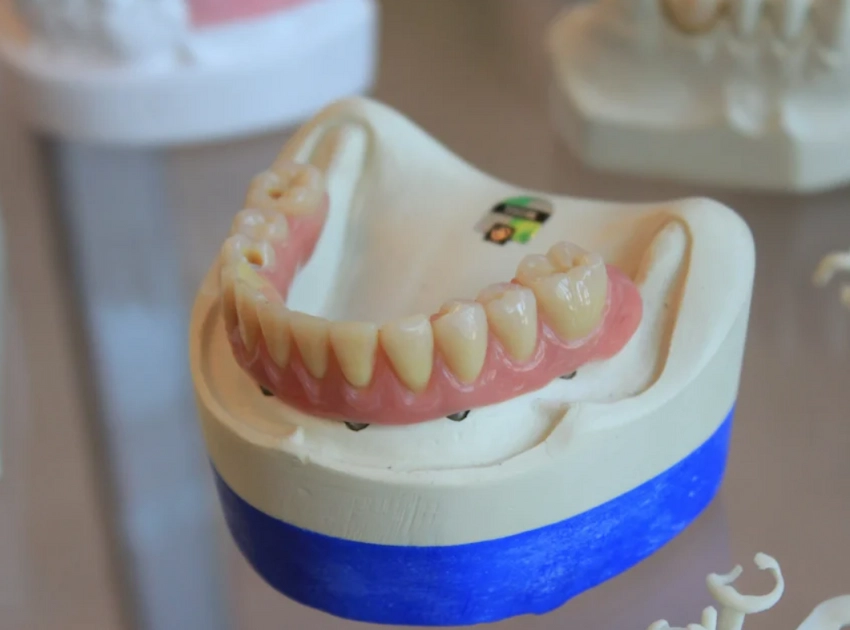
Poisoning one’s stomach just to eat a meal is something that no one should do, in our opinion. The dental profession has long since moved on from using such messy pastes.
The days of implant-supported dentures (such as the All-on-4 or All-on-6 methods) are here now. Your new teeth are being permanently anchored inside your jawbone with titanium posts. You get roots back. They fit snugly in place or can be secured permanently with screws.
There is no sliding, no falling,g and no usage of glue!
Comparing Your Options
| Feature | Regular Dentures (with Glue) | Implant-Supported Dentures |
| Stomach Risk | High (swallowing plastics and zinc) | None (no glue needed at all) |
| Daily Upkeep | Messy and frustrating | Easy brushing and flossing |
| Bone Health | Makes the jawbone shrink faster | Keeps the jawbone strong and healthy |
| Bite Strength | Weak (10-20% of natural strength) | Strong (Over 90% of natural strength) |
If you decide to get your implant treated by Lema Dental Clinic in Turkey, you are guaranteed world-class surgical care. In addition, the surgical works are the fruits of the permanent results with just a fraction of the cost in the US or Europe, and you can save your stomach in this way.
Frequently Asked Questions
Should I expect to feel nauseous after putting my dentures in?
Doctor’s answer: Indeed, it is very common. Several individuals are nauseated by fake flavors and the sensation of swallowing swollen plastics. Your stomach is just fighting off a foreign body.
What are the symptoms of my becoming zinc toxic through my denture glue?
Doctor’s reply: Initial symptoms resemble those of a stomach virus—cramps, nausea, vomiting. Nevertheless, tingling in your hands and feet as well as feeling dizzy and weak, are indications that you should see a doctor immediately. These are due to excessively high zinc levels, which are causing nerve damage.
Would stomach pain disappear with the use of zinc-free glues?
Doctor’s answer: Safety is the primary concern with zinc-free options since they prevent heavy metal poisoning. However, truth be told, they still rely on the use of synthetic plastics to create a seal. It’s possible to become bloated and sick by coming in contact with those plastics every day.
What is the appropriate amount of denture glue I should be using?
Doctor’s answer: Just 3 or 4 tiny dots- about the size of a pea each – will be enough for the whole denture. If these glue spots ooze out the sides when you bite, it means you are using way too much. Most of the time, this is the sign that your jawbone has decreased in size and, therefore, the denture no longer fits you.
What is the method to stop using denture glue forever?
Doctor’s answer: The only way to give up the use of glue is to have teeth fixed to the jawbone. Dental implants are placed, ensuring that your teeth remain in place and you will never again need to purchase a tube of fixative.
Academic References
- Aker, Z., & Aker, T. (2021). The effects of denture adhesives on the gastrointestinal system and general health: A review of the literature. Journal of Prosthodontic Research, 65(2), 112-118.
- Chen, Y. W., & Lin, Y. H. (2018). Zinc toxicity and copper deficiency associated with excessive use of denture adhesives. Clinical Toxicology, 56(6), 394-398.
- Felton, D., Cooper, L., Duqum, I., Minsley, G., Guckes, A., Hage, S., … & Sweitzer, C. (2011). Evidence-based guidelines for the care and maintenance of complete dentures: A publication of the American College of Prosthodontists. Journal of Prosthodontics, 20(s1), S1-S12.
- Nations, S. P., Boyer, P. J., Love, L. A., Burritt, M. F., Butz, J. A., Wolfe, G. I., … & Trivedi, J. R. (2008). Denture cream: an unusual source of excess zinc, leading to hypocupremia and neurologic disease. Neurology, 71(9), 639-643.
- Zarb, G. A., Hobkirk, J., Eckert, S., & Jacob, R. (2013). Prosthodontic Treatment for Edentulous Patients: Complete Dentures and Implant-Supported Prostheses. Elsevier Health Sciences.

